The German real estate market continues to show clear segmentation. While commercial properties, particularly in the office and retail sectors, are suffering from subdued demand, rising vacancies and general uncertainty, the housing market is primarily supported by limited supply. This is according to the latest Real Estate Quarterly from LBBW Research. Although residential property prices are still rising, the momentum of this recovery has noticeably slowed.
Dr. Moritz Kraemer, Chief Economist at LBBW, commented on the situation by highlighting the market's division. He explained that in the office segment, structural changes are coinciding with an oversupply of space. In the housing market, the tight supply is preventing sharper price declines, but high costs and financing hurdles are also dampening overall development there.
Commercial properties: Heterogeneous developments by segment
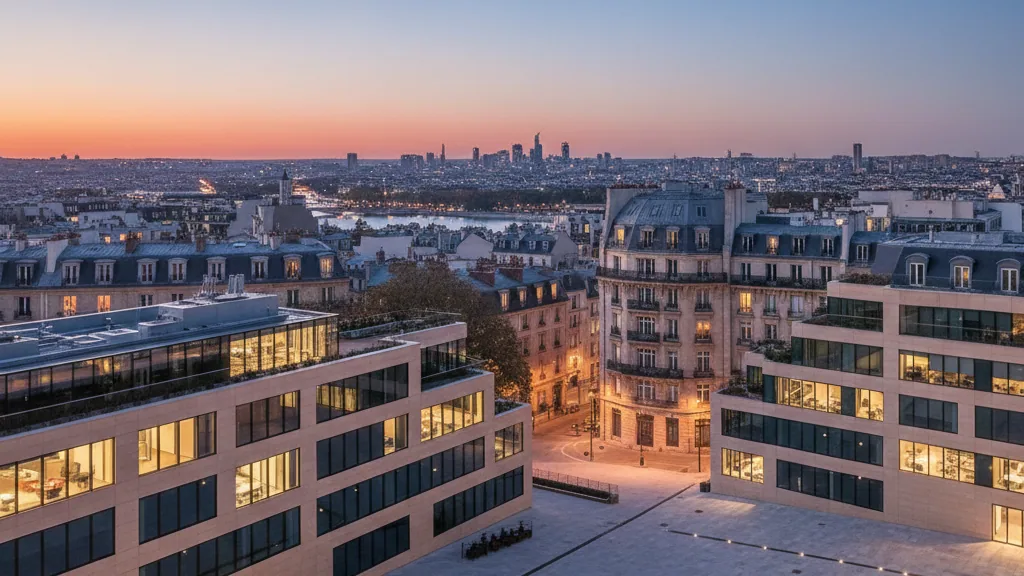
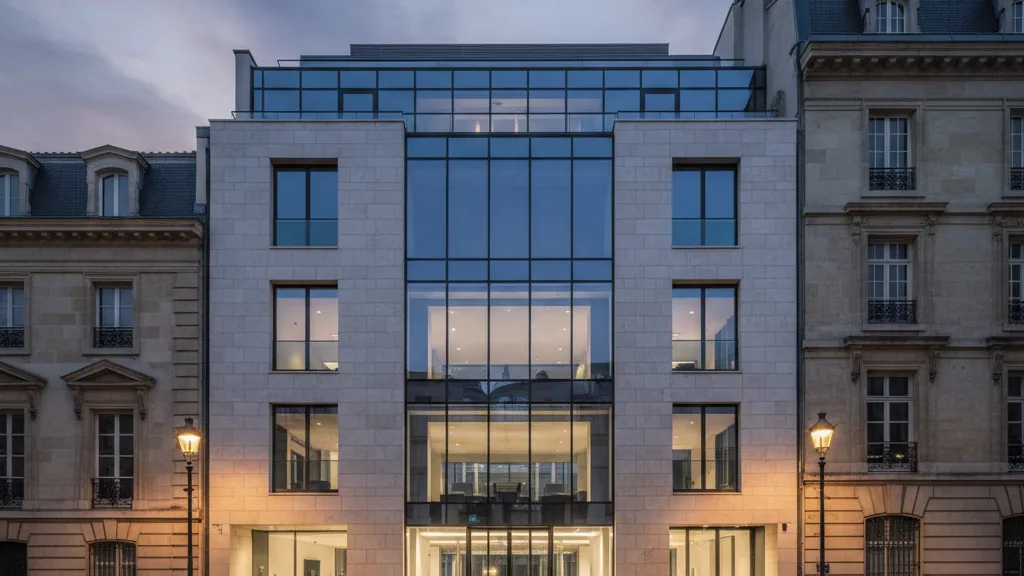
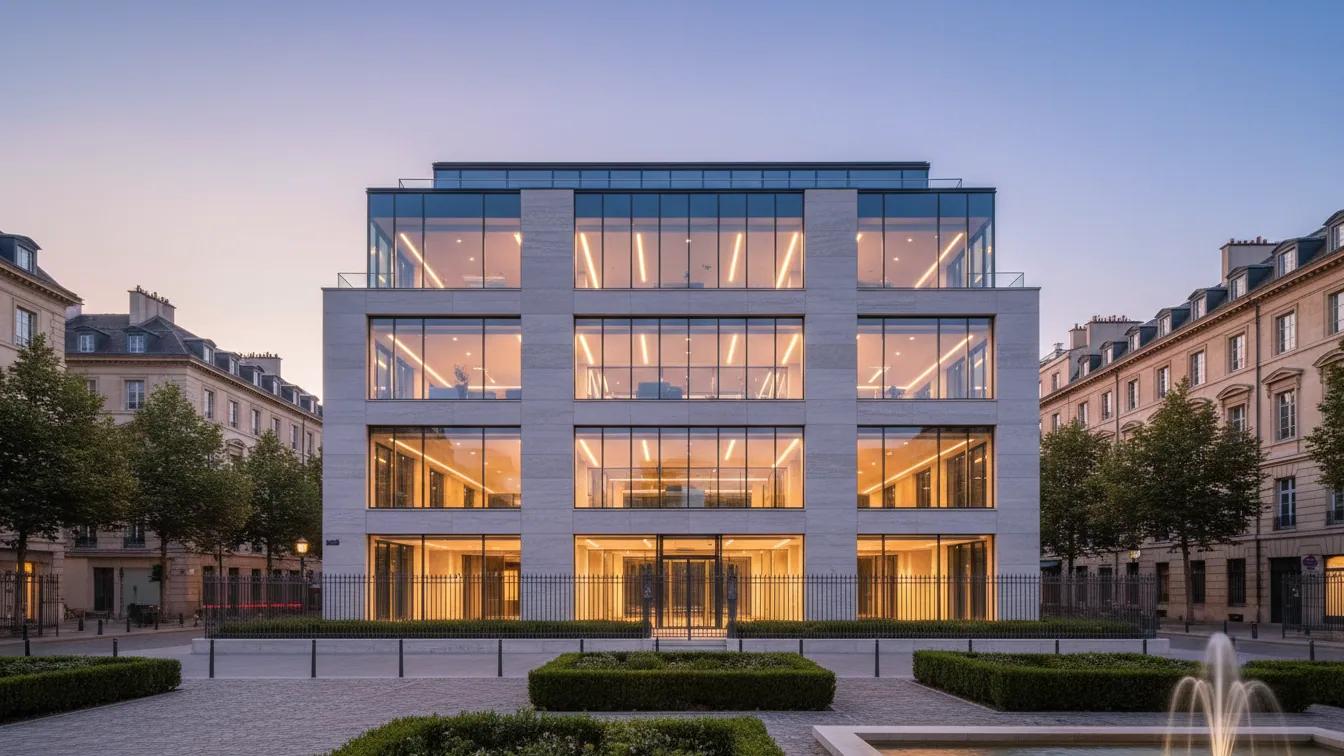
Overall, the commercial real estate market will only see slow progress in 2026. Office and retail properties continue to face significant pressure in many areas. In contrast, individual sub-segments, such as data centres, appear comparatively resilient. A differentiated development is also evident in logistics properties. In the office segment, capital values have fallen significantly since their cyclical peak at the end of 2021. In parallel, vacancies in German metropolitan areas continue to rise, reaching an average of just under ten per cent in the seven largest cities.
In addition to cyclically sluggish demand for space, the hybrid working model particularly influences the requirements for office space. Properties with modern fittings, flexible usability, high energy efficiency and good connectivity remain in demand. Older buildings in need of refurbishment, with low spatial flexibility or suboptimal location quality are increasingly coming under pressure. Kraemer emphasised that the office market does not function poorly across the board, but is highly differentiated. Modern and centrally located spaces with a high quality of stay can continue to hold their own. Data centres benefit from ongoing digitalisation. For office and retail spaces with persistently weak demand, conversions into residential, educational, hotel, medical or catering spaces are gaining relevance.
Housing market: Supply shortage stabilises prices with declining momentum
In the housing market, the shortage of available housing remains the central stabilising factor. Demand continues to meet an insufficient supply, which supports prices. However, the recovery momentum has noticeably decreased. LBBW Research forecasts a price increase of a maximum of three per cent for 2026. Kraemer explained that while the housing shortage prevents sharper price declines, a strong recovery is not materialising. High financing and construction costs are slowing down buyers, investors and new builds alike. Despite continuously high building permits, a rapid easing of the housing market is not foreseeable. Rising construction and financing costs, high regulatory requirements, complex procedures and limited public funding margins hinder the economic realisation of new projects. The supply gap is therefore likely to persist in the coming years.
The debate about affordable housing is gaining political importance, as illustrated by the current discussion about the potential socialisation of housing stock in Berlin. From LBBW Research's perspective, the primary challenge is to create additional housing. This requires reliable legal and economic framework conditions, accelerated procedures and viable solutions for affordable construction. Kraemer noted that the housing question cannot be solved by intervening in existing stock; more supply is primarily needed. For this, public authorities, the housing industry and private investors must cooperate more effectively.
For the remainder of the year, the market environment remains challenging. Initial signals of economic stabilisation are overshadowed by geopolitical risks, inflation dangers and a persistently elevated interest rate level. A quick return to the market conditions of previous years is not to be expected. Kraemer concluded that success in the real estate market requires a precise analysis of location, property quality and usage concept. Especially in a market with significant segment differences, expertise, realistic price expectations and a long-term approach are crucial.