Isrotel, a leading hotel group in Israel, has unveiled detailed plans for the expansion of its real estate portfolio. These include the development of new locations as well as significant investments in existing properties to meet the growing demand for high-quality tourism offerings in the country. The investment strategy is part of a broader industry development in Israel, which is geared towards the return of international tourism.
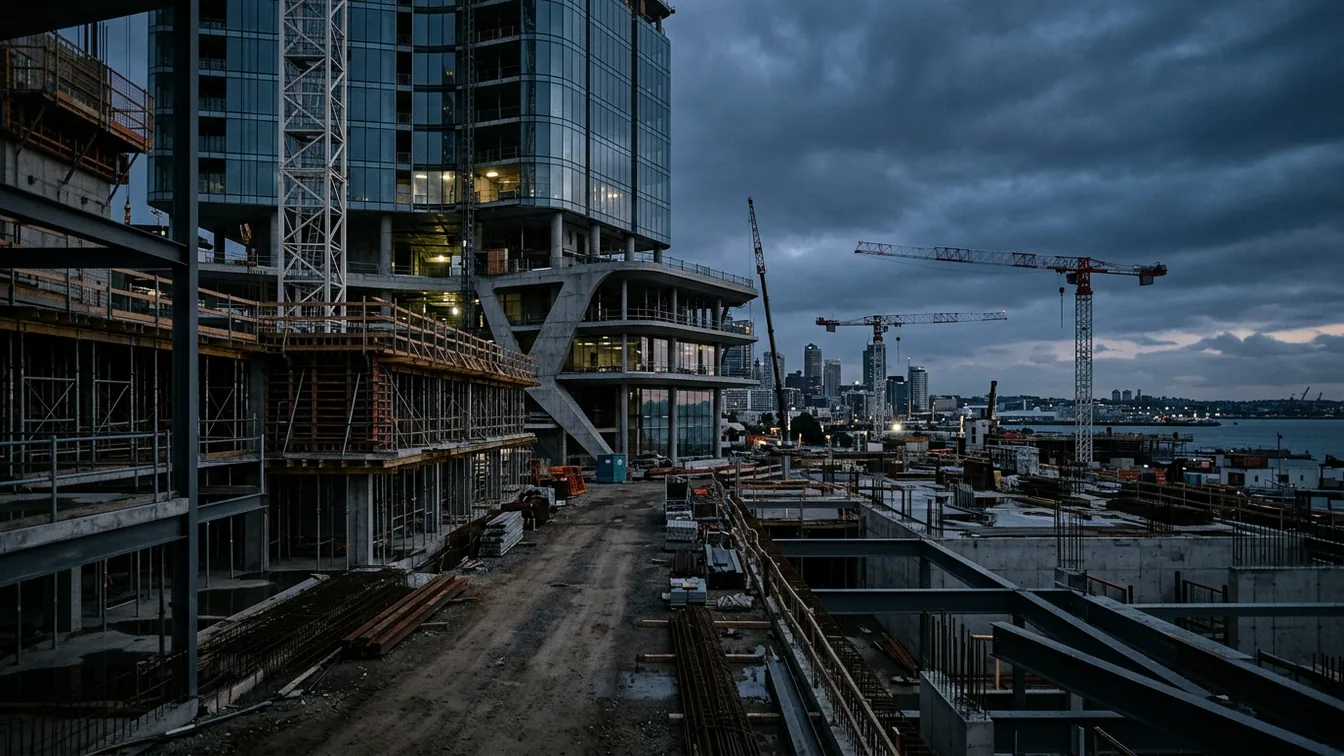
A central project is the construction of a new hotel in Eilat, for which the groundbreaking ceremony recently took place. The property is located on the city's northern coast and will comprise 217 rooms. Architecturally, an ensemble of two towers is planned, connected by a suspended swimming pool. The facilities of the 16-storey hotel are expected to include modern fitness amenities and rooftop terraces with views of the Red Sea. This project is anticipated to shape the local skyline.
Strategic Expansion and Market Context
The Eilat project is part of a strategic investment plan by the Isrotel Group, totalling 3 billion shekels. The aim is to meet the global demand for five-star experiences in the region. In addition, Isrotel plans to implement a glamping resort in the Ramon Crater, which will provide access to the Negev Desert. Furthermore, a new resort at Amnon Beach on Lake Kinneret is planned, focusing on relaxation and nature experiences.
Parallel to these new construction projects, the hotel group is investing over 50 million shekels in the modernisation of its eight existing hotels in Eilat. These adjustments serve to enhance the existing portfolio and ensure competitive standards.
Impetus for the Israeli Hotel Real Estate Market
Isrotel's expansion activities reflect a general trend within the Israeli hotel industry. The sector is experiencing extensive new developments and modernisations, indicating an expectation of increased international traveller frequency. The Ministry of Tourism supports this development with funding exceeding 180 million shekels to enable the creation of a total of 2,050 new hotel rooms. This also includes projects by other market players:
- —The first Israeli property of the NOBU Hotel Group with 38 rooms on Rothschild Boulevard in Tel Aviv.
- —The upcoming opening of the Six Senses Tel Aviv.
- —The InterContinental Jerusalem, whose development is also progressing.
These investments demonstrate confidence in the future development of the tourism sector in Israel and underscore the country's endeavour to position itself as a destination for international visitors.