C
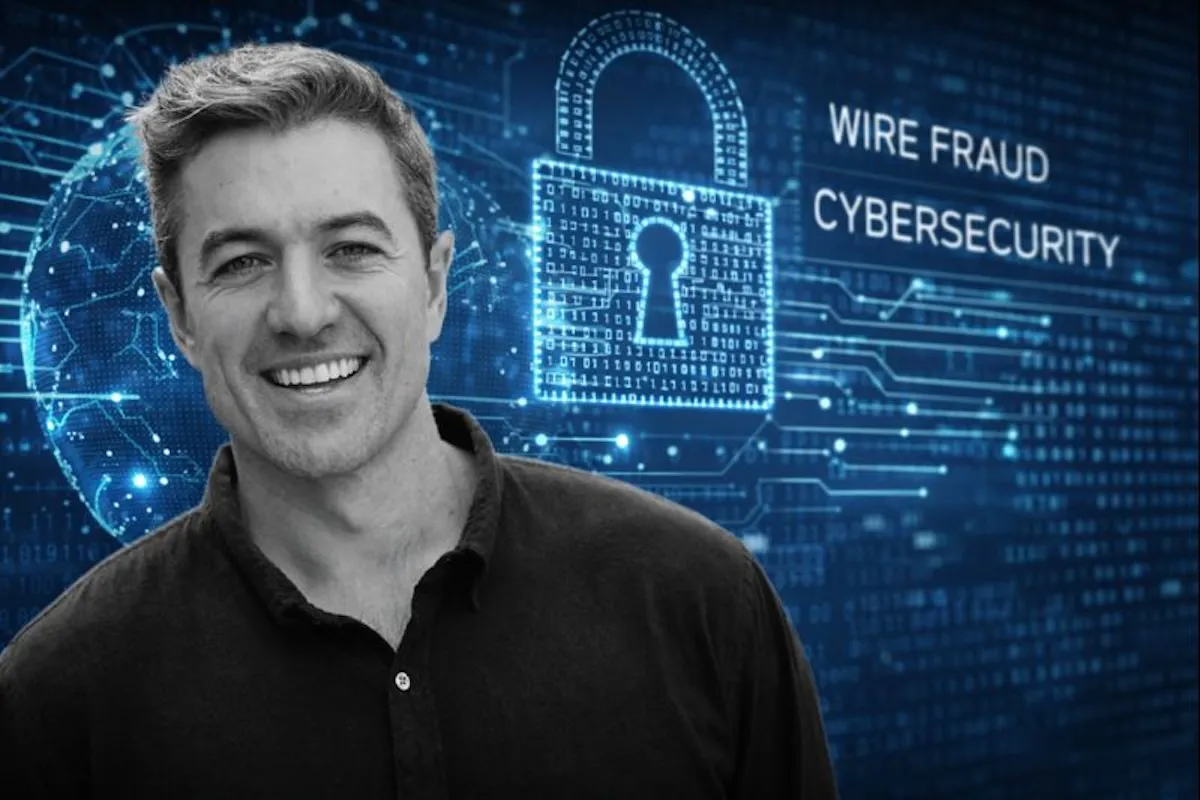
ybercriminals in 2025 are not inventing new fraud methods; they are refining existing ones. Tyler Adams, CEO of CertifID, explains that fraudsters now blend artificial intelligence with patience, precise timing, and realistic context to target real‑estate transactions. AI‑generated voice impersonations, email monitoring, and highly targeted wire fraud are becoming more convincing, as seen in recent attacks where scammers mimicked voices from voicemail or LinkedIn snippets, passing traditional verification checks.
Adams notes that the biggest shift is not new schemes but improved execution. Criminals orchestrate long‑term cons, monitor emails for weeks, and choose optimal moments to call or send messages, combining AI with human patience. This makes the threat feel more intense than ever.
In a Q&A with HousingWire, Adams highlights several key points:
**Fraud Patterns and Timing**
Criminals now excel at timing and context. They engage at multiple stages of a transaction, monitoring communications and striking when the opportunity is greatest. Their use of AI is complemented by human diligence, making their tactics harder to detect.
**Success Stories and Recoveries**
CertifID’s technology has helped recover over $120 million in funds that were sent to fraudsters. Collaborations with the U.S. Secret Service and other partners have led to account freezes and fund recoveries. A notable case involved a $12 million loss in a commercial real‑estate mediation; the law firm was tricked into sending money to the wrong account, but CertifID’s intervention returned the funds. These incidents show that early detection and intervention can prevent catastrophic losses.
**Impact on Homebuyers**
Smaller amounts often hit homebuyers hardest because banks rarely slow down low‑value transfers, and the money usually represents a buyer’s entire down‑payment savings. Even modest fraud can devastate a buyer’s financial future.
**Effective Verification Practices**
The most reliable safeguards are simple and consistent: confirm wiring instructions using trusted contact details established early in the process, not last‑minute email addresses. Layered verification—identity checks, device signaling, pattern tracking, and human vigilance—yields the best results. Red flags such as a fast sale of vacant land below market value should trigger additional scrutiny. Companies that enforce mandatory wire verification, regardless of deal size, see the greatest reduction in fraud.
**Barriers to Mandatory Verification**
Earlier concerns that mandatory steps would slow operations have faded. Employees now appreciate companies that protect them, recognizing the shame of inadvertently sending a fraudulent wire. Some firms enforce verification swiftly, while others lag; technology partners can help bridge that gap by integrating tools into existing workflows.
**Deepfake Threats**
Deepfakes are increasingly accessible. Adams shared a recent conference presentation where a co‑founder’s face was swapped with Adam Sandler and Dwayne Johnson in a video created for just $10 online. This demonstrates how quickly and cheaply deepfakes can be produced, and how they may evolve in the next few years. The message is clear: fraudsters will use these tools, so awareness and education are essential.
**Steps for Companies in 2025**
1. **Establish and Maintain Security Processes** – Write clear incident‑response plans and practice them regularly. Delays and confusion are the most costly aspects of fraud.
2. **Educate Employees on Modern Fraud** – Show realistic examples of spoofed emails and voice messages. Employees must recognize that fraudsters will exploit any angle.
3. **Adopt a Shared Responsibility Model** – Include vendors, partners, and real‑estate agents in fraud‑risk discussions. Security in real‑estate transactions is collective; if agents are not aligned, gaps will appear.
4. **Aim for Industry‑Wide Adoption** – Bringing all agents into the fold with a unified message is the best long‑term strategy to curb fraud.
By combining AI‑driven detection, consistent verification, and a culture of shared vigilance, title and real‑estate companies can protect both consumers and themselves from the evolving threat landscape of 2025.