O
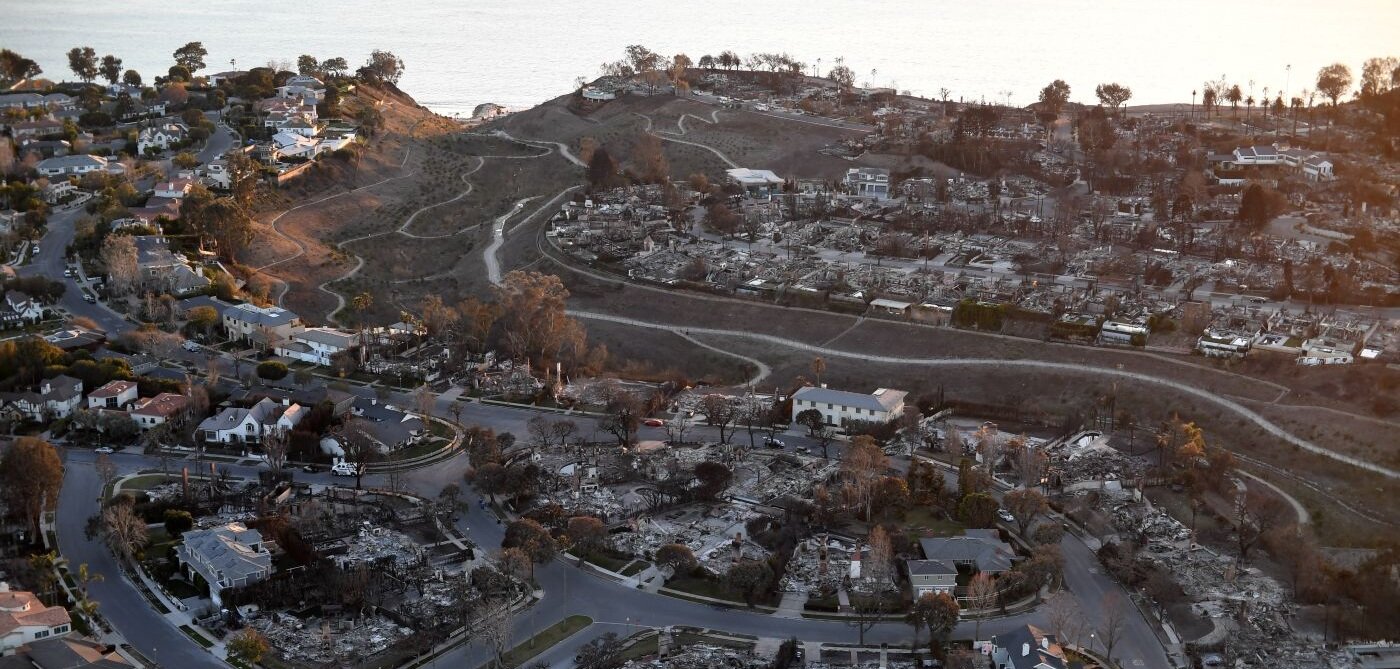
n the first anniversary of the Pacific Palisades and Malibu fires, vacant lots are piling up in Los Angeles’ hardest‑hit neighborhoods while investors increasingly dominate the few transactions that occur. Redfin data show that in the third quarter investors bought about 40 % of the vacant‑lot sales in the affected ZIP codes, a sharp rise from the previous year when no land changed hands.
In 90272 (Palisades), investors acquired 48 of 119 lots sold (40.3 %). In 91001 (Altadena), 27 of 61 lots (44.3 %) went to investors, again up from zero a year earlier. Malibu (90265) saw 19 of 43 lots (44.2 %) purchased by investors, more than double the prior year’s share. The trend underscores a widening divide between capital‑rich buyers and residents still grappling with rebuilding, permitting delays, insurance disputes and soaring costs.
“Altadena feels like a community that shouldn’t be sold,” says Redfin Premier agent Sylva Khayalian. “Some residents refuse to sell to preserve the neighborhood, but for many—especially the elderly or under‑insured—selling is the only financially viable option.” Many Altadena homes, built in the 1940s and 1950s, were destroyed; investors often make low offers on cleared parcels with plans to rebuild and resell. While some homeowners reject these bids, others sell because they lack funds to rebuild.
Reconstruction has been slow. Permits can take months, though construction activity has recently increased. Displaced residents split between nearby rentals and permanent moves. In the wealthier Palisades, some homeowners have bought replacement homes while deciding whether to rebuild. One client purchased a $3.75 million house near Santa Monica and plans to work with a prominent architect to reconstruct their Palisades home; another bought a $4.68 million Palisades house that survived the fires but faces landslide risk. As temporary‑housing insurance expires and more people abandon rebuilding plans, the pileup of vacant lots is likely to grow.
Across the three ZIP codes, listings of vacant lots and single‑family homes have surged while sales remain thin. In Palisades, 309 lots were listed in the three months ending Nov. 30, up from seven a year earlier. Altadena had 225 listings versus two, and Malibu 214 versus 125. Sellers are cutting prices: many Altadena lots sell for $500,000–$600,000, roughly half what intact homes might fetch. Median sale prices were $510,000 in Altadena, $1.6 million in Palisades, and $1.3 million in Malibu. Limited transaction volume and damaged infrastructure make valuation difficult, says Redfin Premier agent Carlos Castillo.
Single‑family home sales have rebounded slightly but remain below pre‑fire levels. Palisades recorded 31 sales in the last quarter, up from six after the fires but down from 45 a year earlier. Altadena had 58 sales, up from 26 but below 67 a year earlier. Vacant‑lot sales now outnumber home sales in both communities—a reversal from pre‑fire conditions. Palisades logged 107 lot sales versus zero a year earlier; Altadena 80; Malibu 37.
Homes that survived the fires attract buyers only if priced competitively and remediated for ash and smoke damage. Insurance is a major concern; California lenders now require fire coverage, with premiums up 35 %–50 %. Khayalian recounts a home where ash and smoke remediation cost $70,000 (covered by insurance) and lead cleanup added $160,000, with additional landscaping costs after heavy rains. “The cost of cleaning up smoke and ash can be so exorbitant,” she says, “that some homeowners joke it might have been easier if their house had just burned down.”
The imbalance between listings and sales indicates that rebuilding in Los Angeles’ fire‑scarred neighborhoods will take years, leaving investors, homeowners and communities in a prolonged state of uncertainty.