A
“For Rent” sign fronts an apartment building on St. Paul Street in Brookline, MA, on September 12, 2025 (Boston Globe/Getty Images). The piece first appeared in CNBC’s Property Play newsletter, co‑authored with Diana Olick. Property Play targets real‑estate investors—from individuals to venture capitalists, private equity, family offices, institutional players and large public firms—by spotlighting emerging opportunities. Subscribe to receive future editions directly in your inbox.
The multifamily market is still receiving a wave of new supply, yet demand—especially from younger workers—is waning, driving vacancy rates higher and rents lower. According to Apartment List, the national median rent slipped 1 % in November from October, settling at $1,367. This marks the fourth straight month of decline, with rents down 1.1 % from November 2024 and 5.2 % from their 2022 peak. Researchers noted that early‑year growth had seemed poised to turn positive for the first time since mid‑2023, only to stall and reverse during a sluggish summer.
After hitting a record high in October, the national multifamily vacancy rate held steady at 7.2 % in November. The recent boom in construction is receding, but new units continue to enter the market amid weaker demand. CoStar recorded its steepest monthly drop in median rent in 15 years, attributing the slide to a surge in young adults staying with family. “The 18‑to‑34 cohort now represents up to 32.5 % living with relatives—its highest share in a long time,” said Grant Montgomery, CoStar’s national director of multifamily analytics. “Higher rental costs and a tougher job market for recent graduates are eroding the core renter base.”
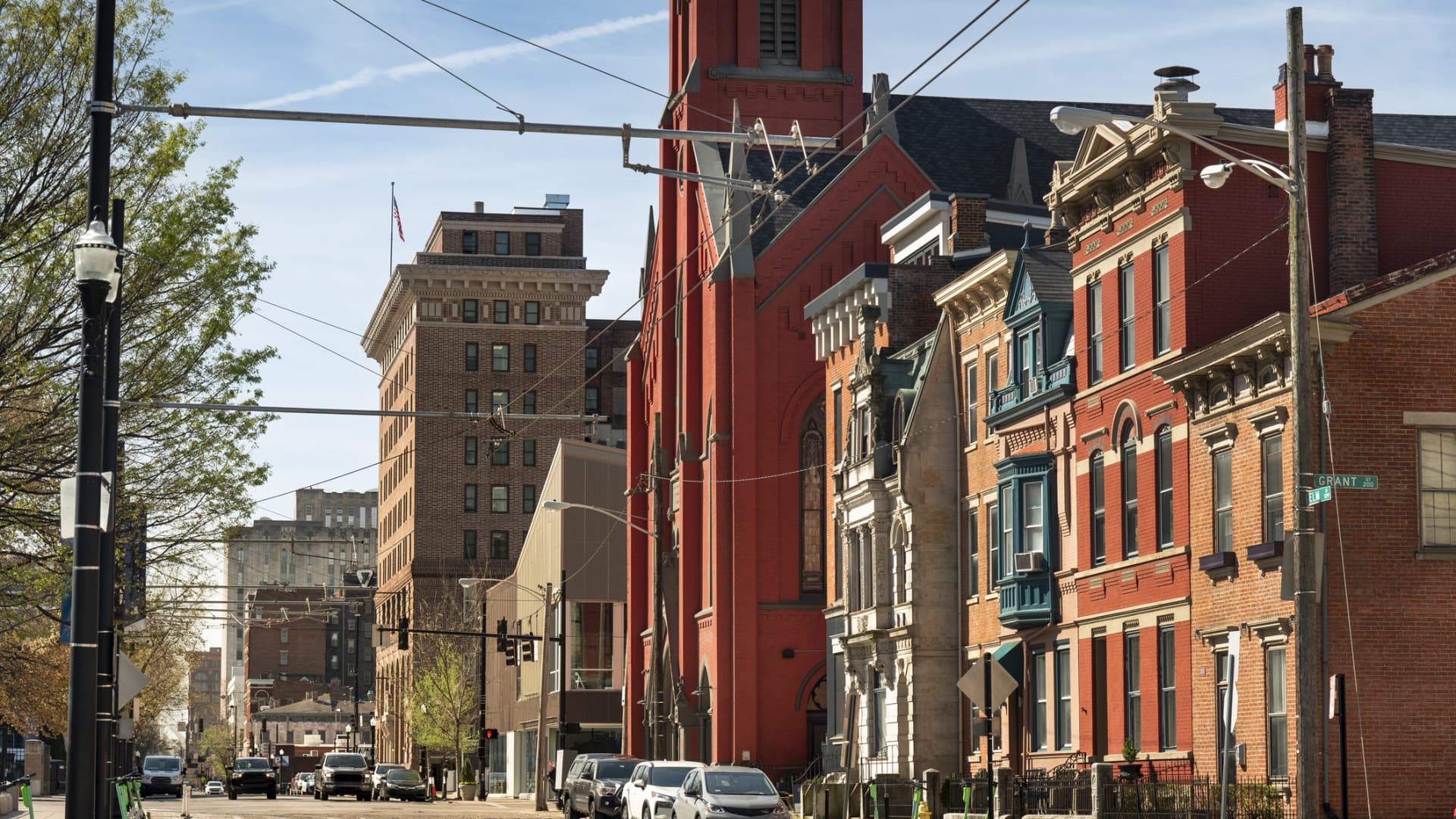
This softness is reflected in the stock performance of major public apartment REITs. AvalonBay, Equity Residential, and Camden Property Trust have all fallen year‑to‑date. Local economic factors shape rent trajectories: Las Vegas suffers from slower tourism, Boston faces reduced federal biotech funding and fewer international students, while Austin’s rent decline is driven by continued construction. As rents soften nationwide, landlords are offering more concessions, yet renters increasingly target more affordable markets. A Yardi report on last summer’s leasing season—traditionally the busiest period—found Cincinnati as the most searched city, followed by Atlanta and Kansas City. St. Louis saw the largest quarterly rise in tenant interest, while Washington, D.C., slipped to fourth place. The Midwest, in particular, attracted unprecedented attention, with 11 of the top 30 renter‑demand cities located there.
Yardi also revised its 2026 supply outlook. While new construction is expected to taper through 2027, an unexpectedly large under‑construction pipeline has prompted a 6.8 % bump to 2025 estimates and a 2.5 % increase for 2026. Apartment List predicts that as construction slows into next year, the market will stabilize somewhat. “The supply boom still has runway, but demand appears weaker amid a shaky labor market,” the researchers concluded.