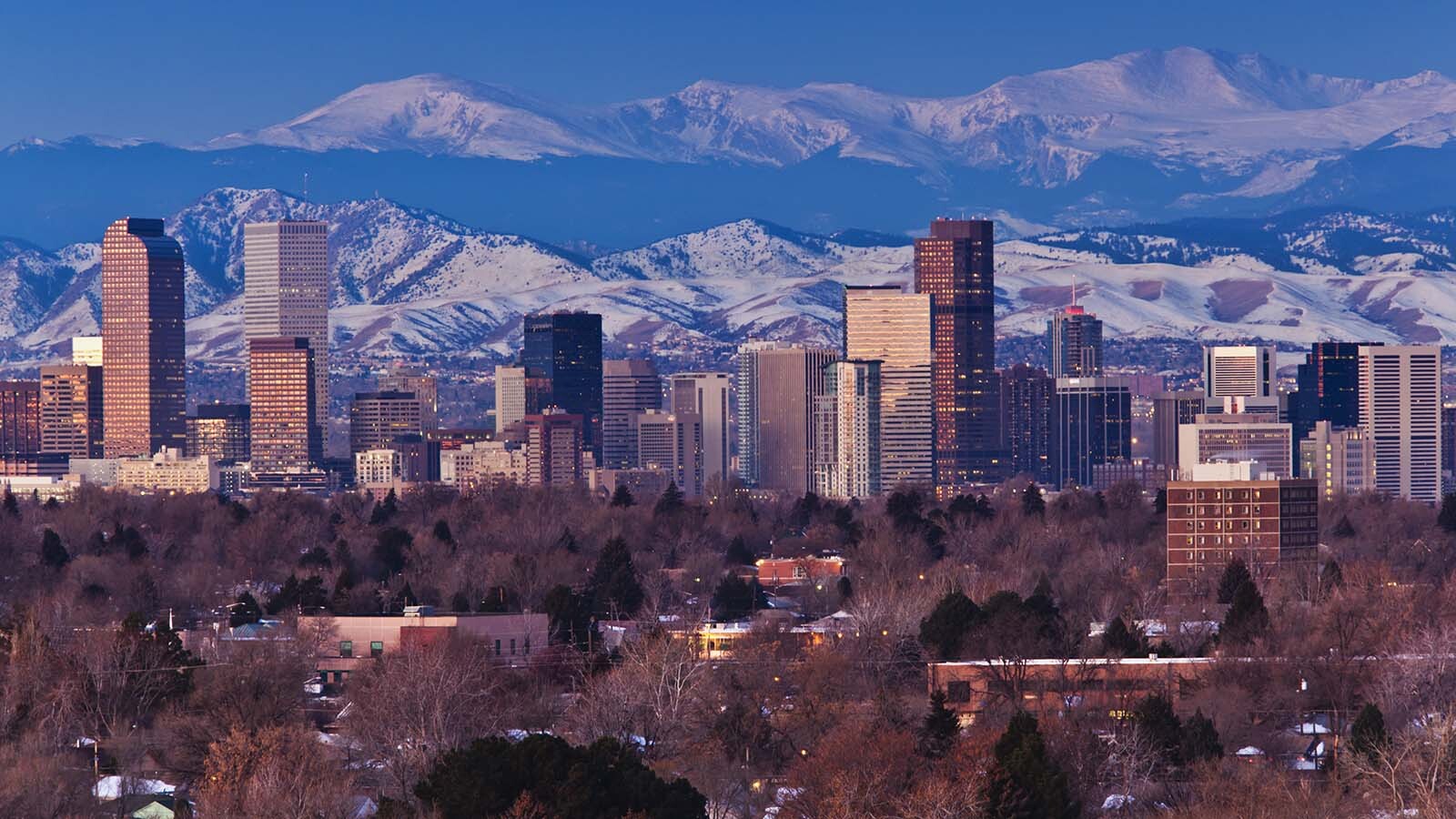
D
enver’s allure has sharply declined. Rising housing costs and shifting migration patterns have cut the steady stream of newcomers that once matched the Rockies’ evening shadow. Wyoming officials spot a chance in the slowdown just south of the border, yet the state still wrestles with a long‑standing exodus of residents and a shortage of young, high‑earning workers who stay.
Recent research confirms the trend. MoveBuddha, a tech firm that builds relocation tools, reports that people are 48 % less likely to move to Denver now than before 2019. A study by the conservative Common Sense Institute of Colorado, covering 2015 to today, shows a 69.6 % drop in Denver’s net migration—people moving in minus those moving out—since 2015. These figures are stark for Colorado’s northern neighbor, whose out‑migration rate is the worst in the nation.
“Denver and other metros like Salt Lake City and Houston attract higher‑education and skilled workers,” said Ron Guilberg, Strategic Partnerships Director at the Wyoming Business Council. “Wyoming can only benefit if it creates good jobs, improves infrastructure, attracts businesses, and removes regulatory barriers such as housing development.”
Dale Steenbergen, President and CEO of the Greater Cheyenne Chamber of Commerce, agrees that Denver’s declining net migration isn’t a boon for Wyoming. “Many Wyomingites will say, ‘I told you so,’” he said. He noted that Denver’s population boom and progressive politics have drawn people away, and that Wyoming is the top state for young people to leave. “Attracting and retaining young professionals is our biggest challenge,” he told Cowboy State Daily. “We’re not growing, we’re aging, and that’s a big problem.”
On a positive note, Wyoming remains attractive to small‑business owners because of its zero‑income tax, reasonable regulations, and business‑friendly climate. Wenlin Liu, chief economist at the Wyoming Economic Analysis Division, said new businesses are rising across the state, reflected in higher general‑fund revenues from registration fees. “Migration in Wyoming has always been driven by employment,” Liu said. “We can attract people who love open spaces—fishing, hunting, hiking.”
John Baggett, a native who moved to Denver in 1988 and returned to Sheridan in 2019, illustrated the shift. “Denver was a great big cow town back then,” he recalled. He and his wife lived in the same house for 30 years, raising children who never knew another place. “Increasing traffic and my dream of being a cowboy made me want to move,” he said. “Denver went the other way from that.”
Liu pointed to housing costs as Denver’s biggest growth hurdle. A realtor.com study found 90 % more homes on the market in Denver than pre‑COVID‑19. “High housing costs and changing migration trends are slowing Denver’s growth,” he said.
For Baggett, the Denver of the 1980s is gone. He now recommends Wyoming friends park in Broomfield, a suburb 18 mi north, to avoid traffic. “Watching that growth and the changes that came with it clashed with who I am,” he said. The Baggetts sold their Denver home at peak values. Deb, who grew up in Cincinnati, was hesitant to move to Sheridan but now loves the lifestyle, with horses and a quieter life.
Steenbergen said the economy drives people now. “It’s a chicken‑and‑egg problem,” he added. “The survey shows hot markets for in‑migration are college towns near metros—our competitors.” Yet Colorado is second only to California in net migration to Wyoming, Liu noted. “It could be an opportunity,” Steenbergen said. “We need help, especially in tech. Offering a paycheck that matches the move is key.”
He added, “If you poll recent college graduates, their top priority is salary. Ten years ago, quality of life was number one. When salary tops the list, Wyoming struggles to compete. We must balance payroll and quality of life to attract them.”