C
olorado tops the nation in rural median home prices and the income required to buy a rural property, a Redfin study shows. Rural counties in the state have seen the steepest price hikes and the smallest income gains compared with urban and suburban markets.
Redfin’s data reveal that rural households now need 120.5 % more earnings than pre‑pandemic levels to afford the median rural home. By contrast, Denver’s urban market required an 84.1 % increase, and suburban counties an 70 % rise. The median rural price sits at $645,000, meaning buyers must earn roughly $171,084 annually—far above the national rural median of $75,000. Hawaii and Utah follow at $167,106 and $144,716, respectively.
“Rural home values are climbing, especially in vacation spots with ski resorts, lakes, and upscale dining,” says Daryl Fairweather, Redfin’s chief economist. “These areas attract second‑home buyers and remote workers with high city incomes, tightening affordability for locals.”
Over the past decade, Colorado’s rural prices have surged 72 %, ranking 11th highest among states and slightly above the national rural gain of 61 %. The affordability crunch in resort towns predates the pandemic‑era spike.
Unlike most states where urban prices lead, Colorado’s hierarchy flips because of its luxury vacation homes. The state’s median rural price is the highest in the country; Illinois trails with $154,000, Kansas $169,000.
Excluding pricey resort communities paints a somewhat better picture. In Morgan County (NE Colorado), the median sale price in October was $340,000—up 31 % from $259,900 in 2019. Alamosa County (S‑central Colorado) saw $334,000, a 49 % rise from $224,700 six years earlier. Moffat County (NW Colorado) reached $352,500, a 90 % jump from $185,000 six years prior, comparable to Morgan and Alamosa.
Yet the percentage gains remain above average, reflecting pressure from workers who cannot afford the high prices in Routt County and Steamboat Springs. There, a single‑family home sold for $1.62 million and a condo for $935,000.
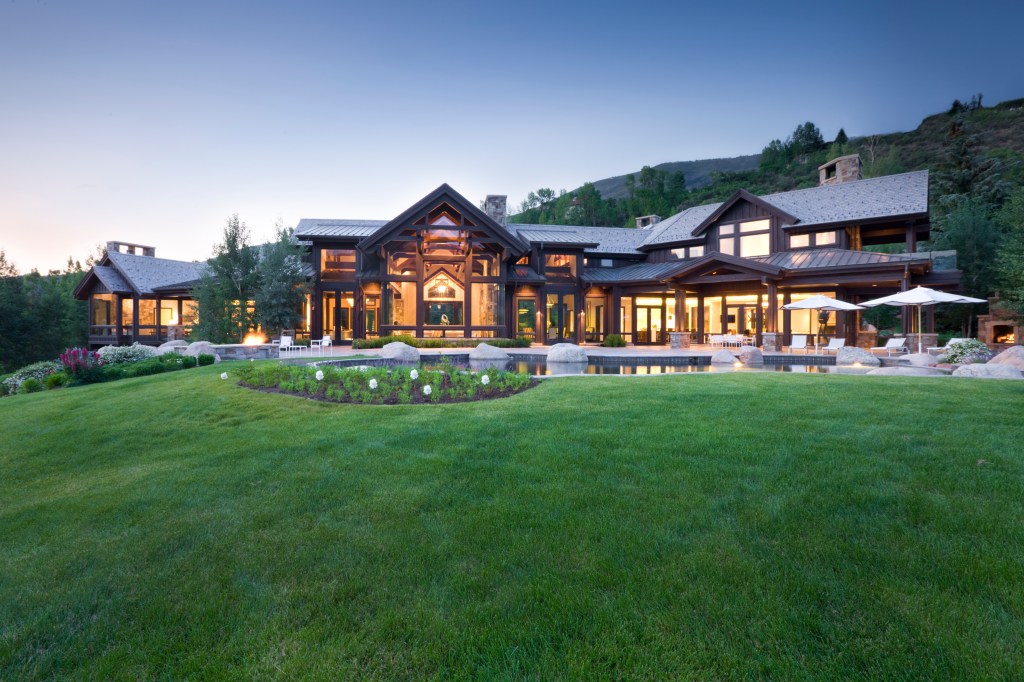
Aspen, Telluride, and Vail dominate the state’s luxury market. Last year, Aspen recorded three of the country’s most expensive sales, including a $108 million deal for 419 Willoughby Way—the first Colorado home to exceed $100 million.
Nationally, median household income has risen 33 % in rural areas, 37 % in suburban, and 39 % in urban since the pandemic, yet these gains fall short of offsetting price increases. In rural Colorado, the median sale price has risen 72 % while income grew only 35.1 %. Rising borrowing costs, insurance premiums, and property taxes further erode affordability.
The construction market in rural Colorado largely serves affluent out‑of‑state buyers, not local incomes. Second homes account for only 5 % of the state’s total, but exceed 50 % in four resort counties. Persistent labor shortages, compounded by a lack of affordable housing, threaten the viability of resort amenities and services.
Some rural markets have cooled. In October, Summit County’s median condo and single‑family prices fell about 7.5 % year‑over‑year. Eagle County saw single‑family prices drop nearly 24 %, while condos rose 15.9 %. Routt County’s single‑family median price rose 18.1 % and condos 11.6 % over the past year, yet inventory at the end of October was up 60 % compared to a year earlier.
“Routt County’s supply levels are now significantly higher than last year, leveling the playing field and restoring negotiation power on price and inspections,” notes Realtor Marci Valicenti in the Colorado Association of Realtors report.