H
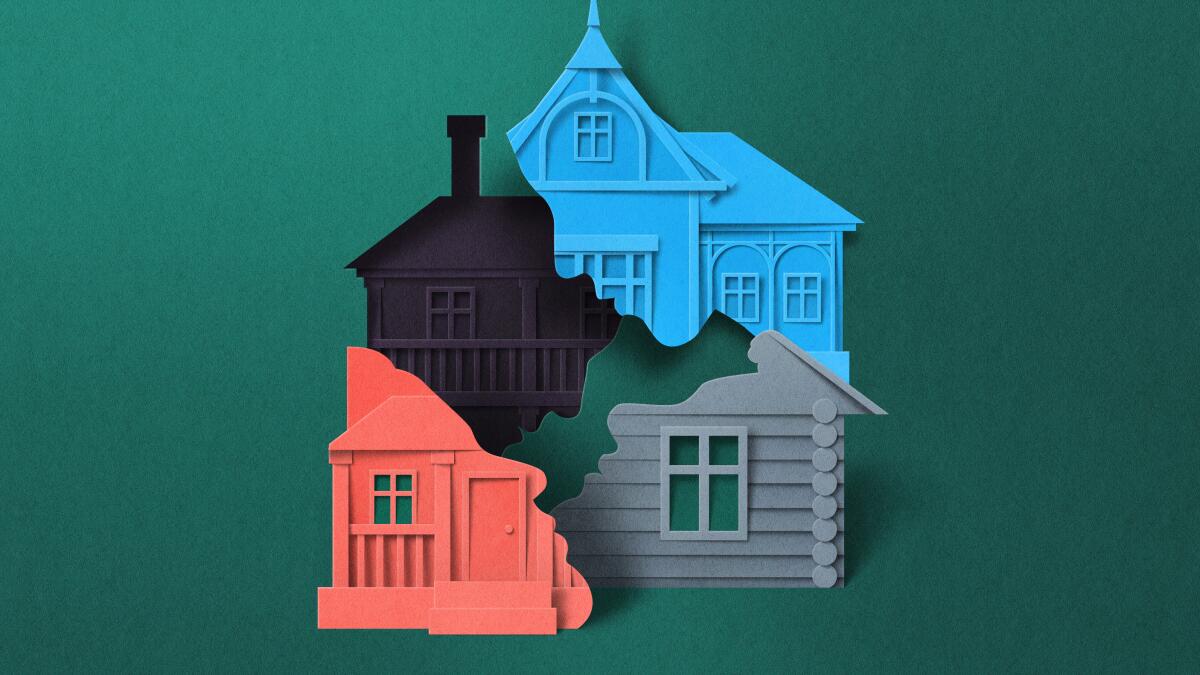
ome is where the heart is, but in film a house can also become a character. Production designers of four Oscar contenders explain how their residential settings shaped the stories.
**Bugonia** – *Atsushi Nishijima/Focus Features*
In Yorgos Lanthimos’ absurdist black comedy, Emma Stone’s CEO, Michelle Fuller, is held captive in a rural farmhouse owned by conspiracy theorist Teddy (Jesse Plemons). Oscar‑winning designer James Price notes the house defines Teddy’s isolation and youth. Unable to film in a real home, Price proposed building the set from scratch. Lanthimos accepted, and the team dug a large hole on chalky soil, welding shipping containers for a basement and erecting the rest of the house above. Interiors drew from Atlanta real‑estate listings found on Zillow, complete with electricity and plumbing.
**Die My Love** – *Kimberly French/Mubi*
Tim Grimes recalls Lynne Ramsay’s script describing a dilapidated cabin inherited by new mother Grace (Jennifer Lawrence). The Calgary location was near condemnation; Grimes saw potential and revitalized it, adding a front porch and removing interior walls to aid filming. He balanced realism with a surreal, story‑book feel, keeping the house “acceptable” for the narrative. The set’s atmosphere mirrored Grace’s mental unraveling, even making Grimes feel uneasy.
**Sentimental Value** – *Neon*
Joachim Trier’s film opens in the 19th‑century Borg family home in Oslo, seen through 12‑year‑old Nora (Renate Reinsve). Production designer Jørgen Stangebye Larsen, who previously worked on Trier’s *Oslo, August 31st*, recognized the house’s history. Its ornate woodwork and patina contrast the surrounding concrete. Because the real garden was inaccessible, Larsen built a full replica on a soundstage, using LED screens to show changing eras in brief shots.
**Train Dreams** – *Netflix*
Clint Bentley and Greg Kwedar adapt Denis Johnson’s novella about logger Robert Grainier (Joel Edgerton). Production designer Alexandra Schaller, with immersive‑theater experience, built a log cabin from locally sourced timber in eastern Washington. The cabin, central to Grainier’s life and to his wife Gladys (Felicity Jones), was functional and intimate, reflecting Gladys’ active role rather than a passive presence. Every element was used, avoiding excess.
These designers demonstrate how homes can become characters, shaping mood, memory, and narrative.