A
ffordable‑housing operators across the city are on the brink of default, a nonprofit says, and they need a $1 billion infusion from the next mayor to stay afloat. While slim profit margins are typical for New York’s subsidized units, a growing number of landlords can no longer cover their costs.
A recent study by the New York Housing Conference, first reported by Bloomberg, highlighted alarming distress among the city’s public‑subsidized stock. With roughly 213,000 units under rent‑stabilized or city‑managed programs, tens of thousands are already in trouble. Rising insurance premiums (up 25 % annually over four years), higher water and sewer rates (over 21 % increase), and pandemic‑era nonpayments have outpaced modest rent hikes—most recent increases have been below 2 %. The result is a debt‑heavy portfolio that could collapse if a rent freeze is enacted.
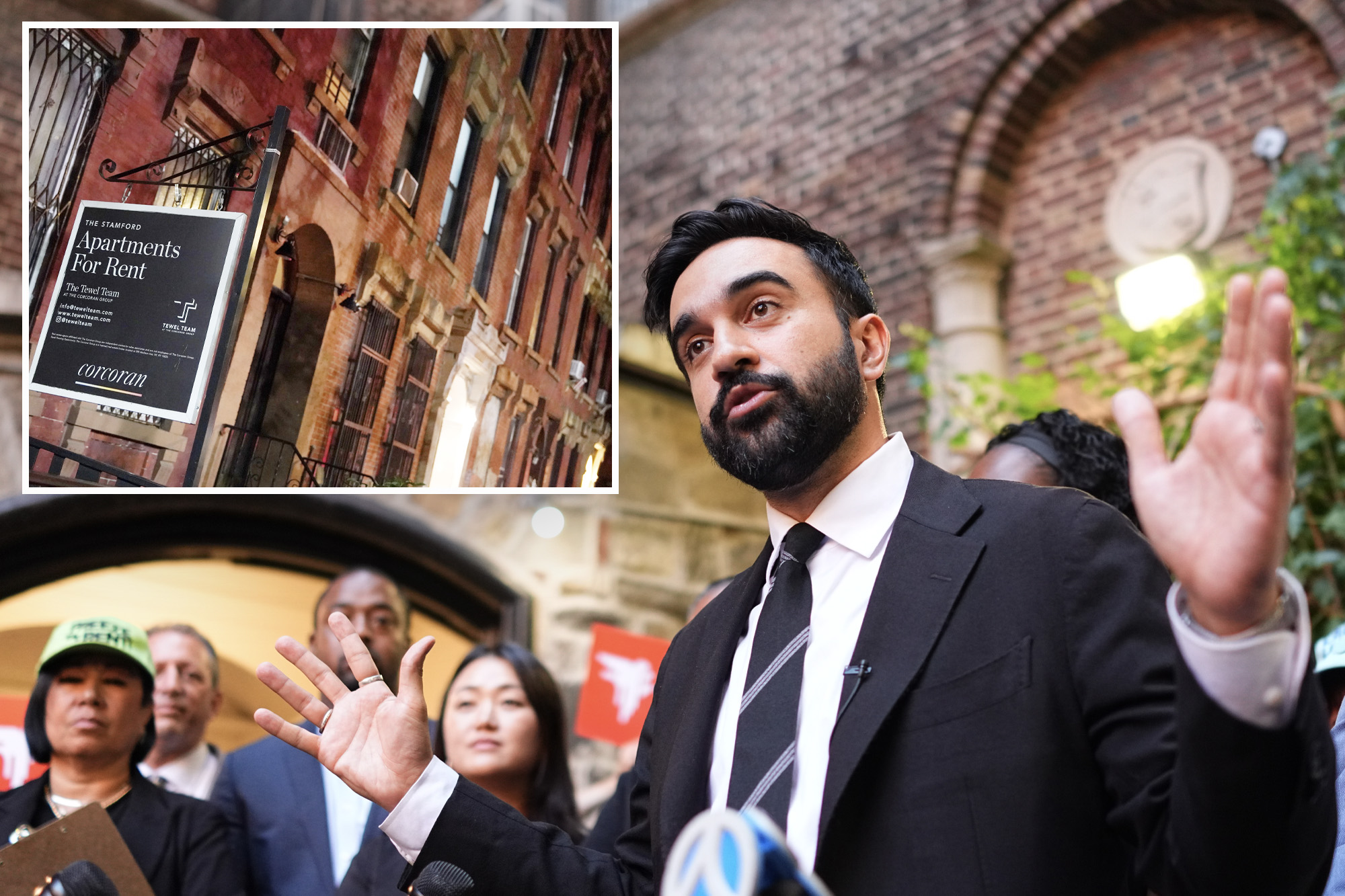
The proposed freeze, tied to the upcoming Mamdani administration, would protect about 1 million tenants but could trigger widespread defaults among landlords. If landlords cannot meet operating expenses, they may cut maintenance or defer repairs, potentially raising costs for market‑rate tenants who share buildings with subsidized units.
Rachel Fee, executive director of the Housing Conference, told Bloomberg that she has never seen this level of distress in her 20 years in the field. “A $1 billion financing program is essential to keep these landlords from financial freefall,” she said. The conference’s brief lists several policy options: easing access to emergency reserve funds, allowing vacant units to reset rents to current income limits, expanding rental assistance, freezing water rates, broadening tax breaks, and creating an insurance company owned by affordable‑housing providers.
Dora Pekec, a spokesperson for Mamdani, emphasized that the mayor‑elect is aware of the need to support both tenants and landlords. “He knows we must keep the more than 2 million rent‑stabilized New York tenants in the city while helping landlords manage rising insurance costs, water bills, Con Edison rate hikes, and a broken property‑tax system,” Pekec said in a statement to the Post.
In short, the city’s affordable‑housing sector faces a financial crisis that could ripple into the broader rental market. A $1 billion bailout, coupled with targeted policy reforms, is proposed as the only viable path to prevent a wave of defaults and preserve the city’s subsidized housing stock.