J
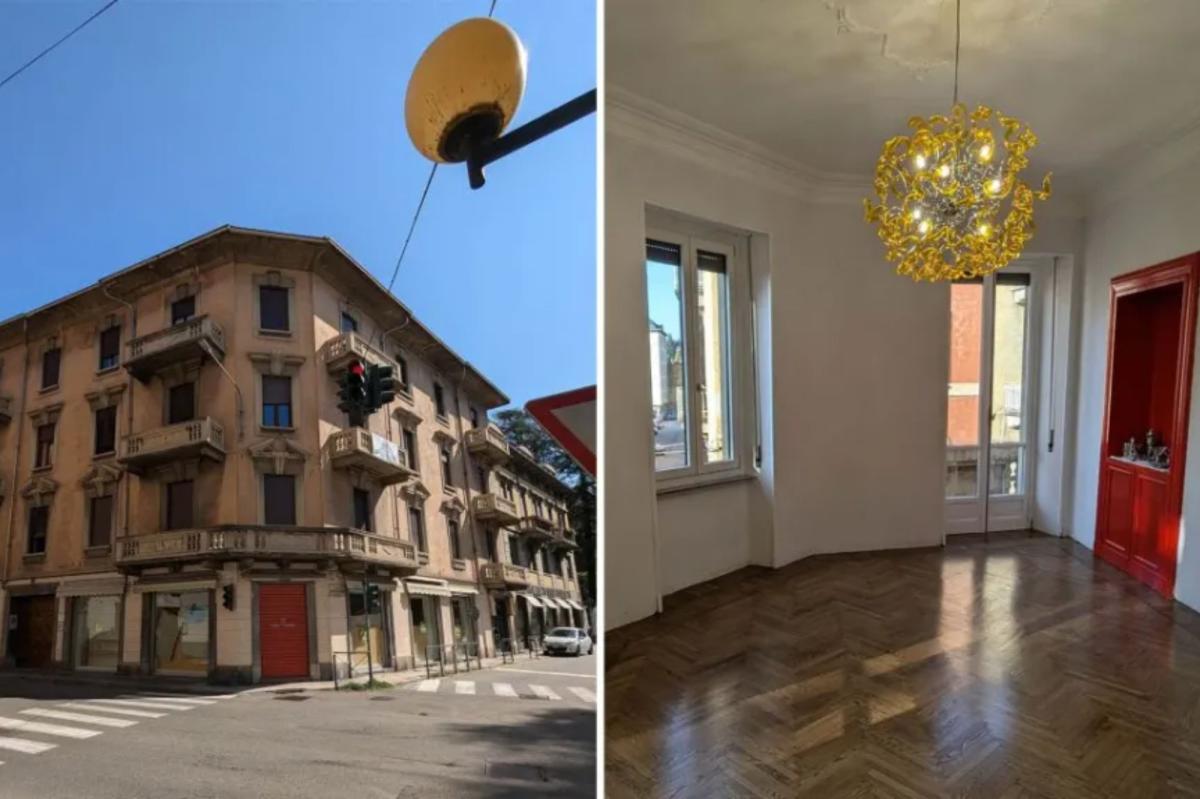
ohn Alan Ambrose and his wife Vicky, a Houston couple, turned away from the popular 1‑euro home craze and instead spent about $160,000 in 2022 on a floor of a derelict 1930s Liberty‑style palazzo in Biella, a quiet textile town in northern Italy’s Piedmont region.
Vicky first discovered Biella while scouting wool suppliers after the pandemic. She liked the town’s modest scale, sense of safety, and proximity to airports, lakes, and ski resorts. Real‑estate prices were far more attractive than in the U.S., and with help from a local friend she convinced John to buy remotely.
They invested an additional $165,000 over nearly three years to renovate the property, confronting language barriers, disappearing contractors, shifting bids, and strict municipal rules tied to the building’s historic status. They wanted a spacious place for long stays that could be left vacant between visits; comparable square footage in Houston would have cost several times more.
The first in‑person visit after closing revealed broken tiles, a detached water heater, and a need for a full overhaul, adding another $165,000 to the project. Progress was uneven: pandemic backlogs slowed contractors, bids fluctuated, and many vendors held payments for months. John noted the lack of detailed written estimates from Italian tradesmen made remote oversight difficult, and while labor was cheaper in theory, suppliers sometimes overcharged.
Because the apartment sits in Biella’s historic centre, even minor updates—such as replacing drafty bathroom windows—required approvals to preserve the façade, with sign‑off from the local government and condominium association.
The 3,000‑square‑foot space, with 14‑foot ceilings, arched windows, and cellar storage, was transformed into a four‑bedroom boutique retreat. Vicky made repeated trips to Italy, even doing demolition work herself, removing defective tiling and clearing areas for tradespeople. New wiring, plumbing, refinished flooring, updated kitchens and baths, a bar area, and a guest‑room ensuite were added.
Today the second‑floor unit serves as a multi‑season base for the couple, their friends, and their grown son, a Brooklyn musician. From Biella they can reach ski slopes, vineyards, alpine trails, or the Italian Riviera within short drives. They enjoy morning cappuccinos in the piazza, visits to the Duomo, tram rides to the medieval quarter, and winter weekends on the slopes with bombardinos.
Despite early shocks like shattered tiles and a hanging water heater, they rolled up their sleeves and tackled parts of the project themselves, creating a base for skiing, wine trips, and family visits. John says, “You feel as if you are in another town with quaint bistros and bars, yet it’s only a few blocks away.”
Local residents often express surprise that Americans would choose Biella over Italy’s better‑known tourist centres. Vicky explains, “Many locals don’t realize how great it is and that everything is available right out their back door.” The couple has lived abroad before and kept a long‑time ski home in Canada; beaches held less appeal. “Vicky can spend over 100 days a year on the slopes,” John says, “but will go stir‑crazy after three weeks on a beach.”
While locals ask why they chose non‑touristy Biella, the couple says its safety, scenery, affordability and quick access to mountains, lakes and vineyards make it the ideal fit—far better than any 1‑euro gamble. They never considered the 1‑euro houses that have drawn global attention; “Generally, you get what you pay for, and when it sounds too good to be true it likely is,” John says. The slower pace of Italian life—midday shop closures, quiet Mondays—still requires adjustment. “That is our problem as Americans,” he admits. “Unlike Italians, we find it hard to slow down or relax.”