E
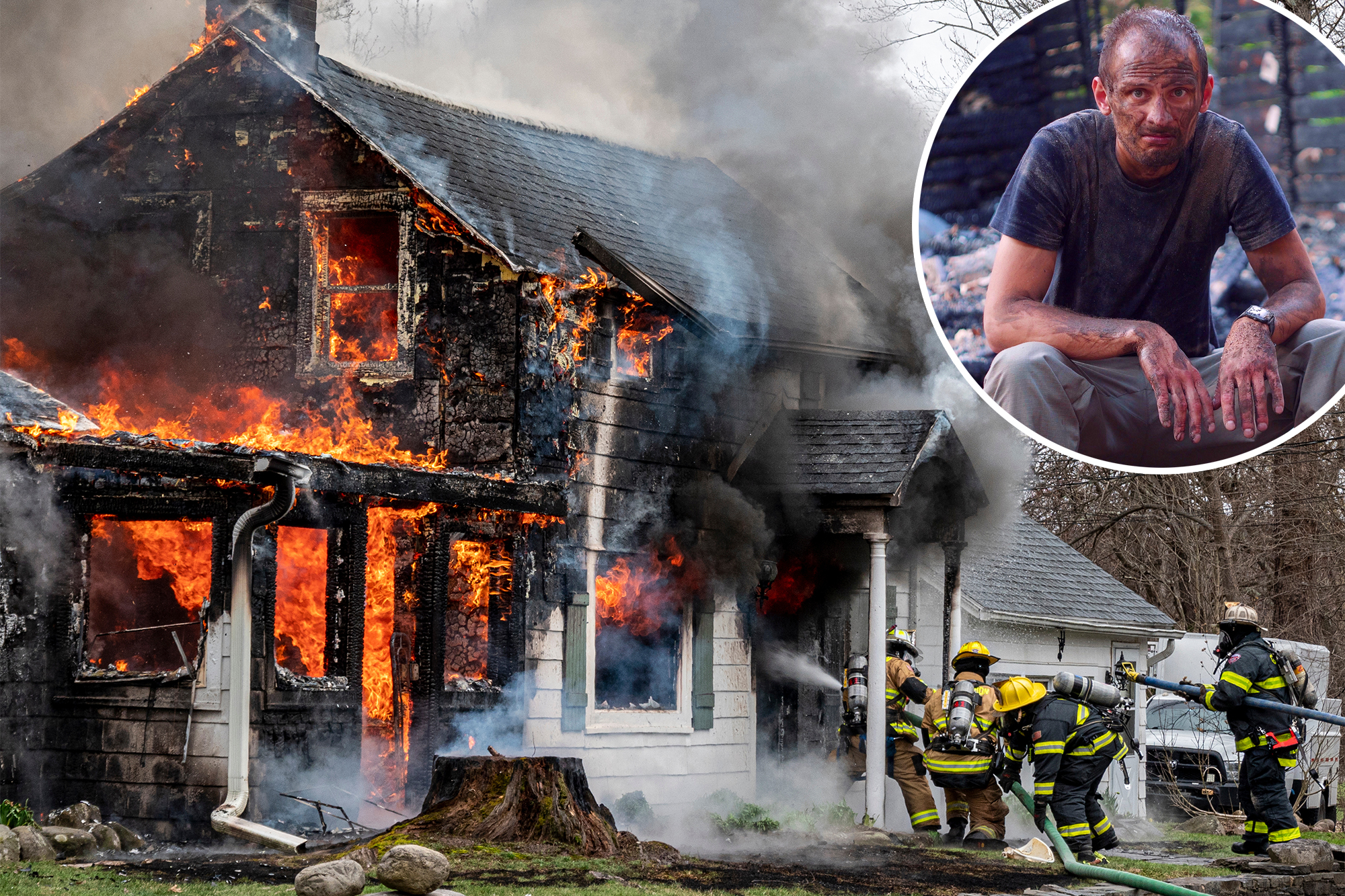
lectrical fires are a silent, high‑risk threat in homes. A blaze can ignite from unseen appliance faults or hidden wiring issues, often without any obvious warning. While the danger exists all year, it surges in winter: the National Fire Protection Association reports that 30 % of home fires caused by electrical failure occur between November and February.
Why does winter heighten the risk? During colder months, households rely more heavily on heating devices—space heaters, electric blankets, slow cookers, and holiday lights. These appliances push the electrical system to its limits. Using light‑weight indoor extension cords with high‑wattage heaters can cause cords to overheat, melt, and ignite. Loose connections in wiring or utility equipment create electrical arcing, generating heat that can spark a fire.
Recognizing early signs is crucial. Flickering lights are a common indicator of a loose connection or arcing. If lights buzz, outlets glow red, or switches feel hot, shut off the circuit breaker and schedule a licensed electrician’s inspection. Unusual smells, buzzing noises, or discoloration around outlets or switches also signal potential hazards. Even minor oddities should prompt immediate action.
Preventing electrical fires starts with responsible appliance use, especially in winter. Avoid overloading outlets or power strips, both indoors and outdoors. Never plug space heaters into extension cords or power strips; instead, use a dedicated, low‑traffic circuit. Inspect holiday lights for damage before use. Choose products that carry safety certifications, and never fold or compress electric blankets or heaters. Replace these devices every ten years, and never leave them plugged in when not in use. Keep space heaters away from furniture and curtains, and never operate them overnight.
Smart home sensors can add an extra layer of protection. Devices like Whisker Labs’ Ting monitor electrical parameters and alert homeowners to abnormal conditions before they become dangerous. Regularly test smoke alarms and carbon monoxide detectors; they provide an additional safety net. Keep a fire extinguisher readily available, even if you don’t anticipate a kitchen blaze.
By staying vigilant, using appliances correctly, and employing modern monitoring tools, homeowners can significantly reduce the risk of electrical fires, especially during the high‑danger winter months.