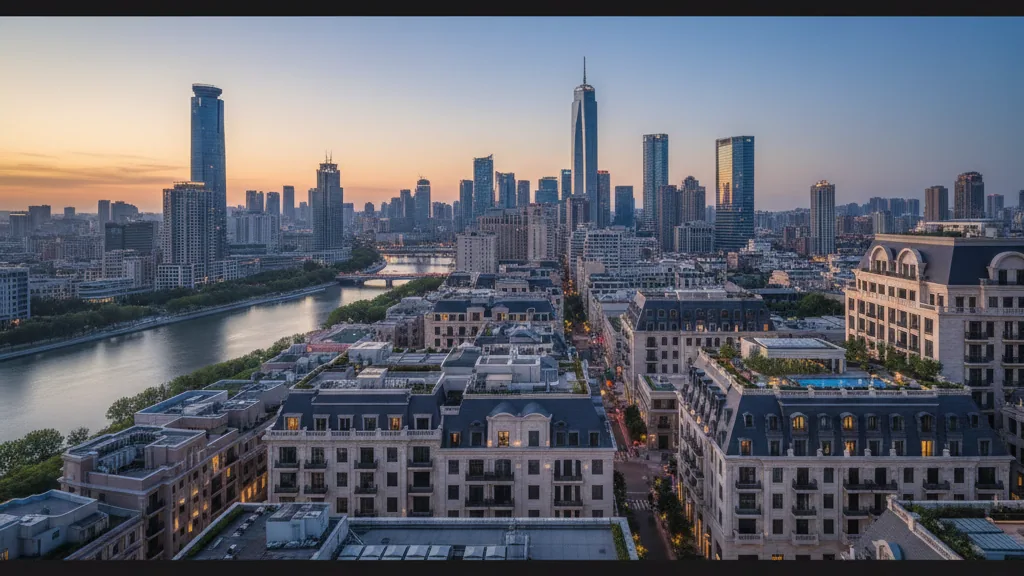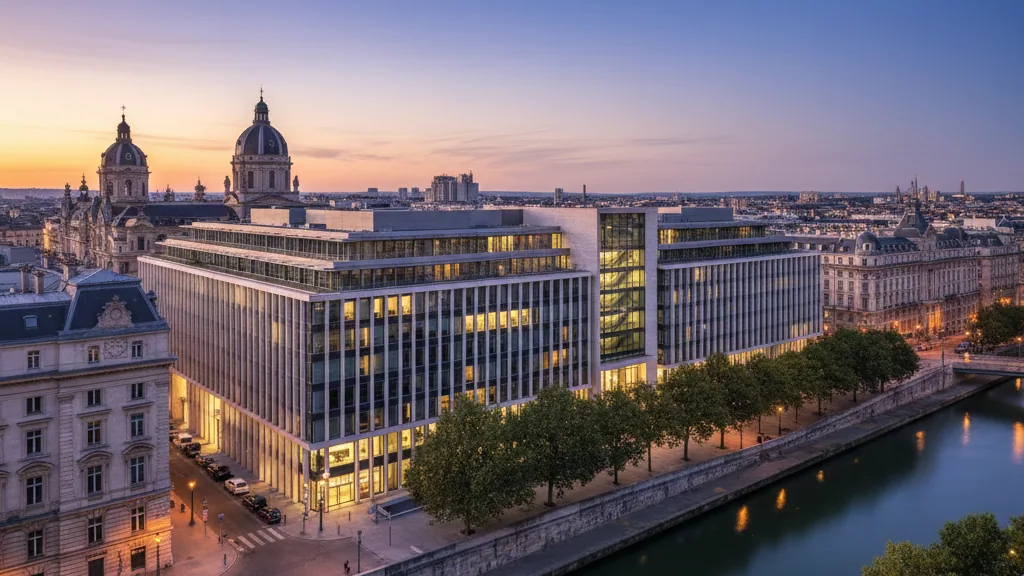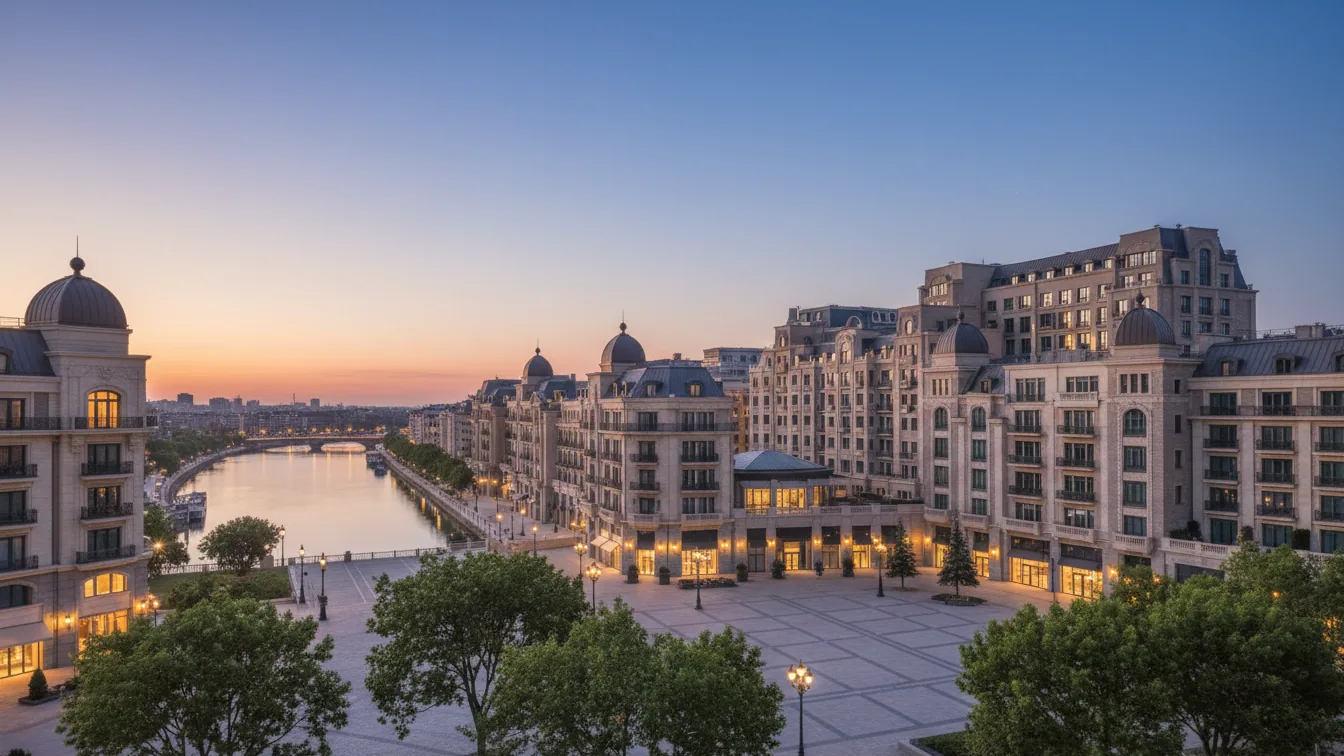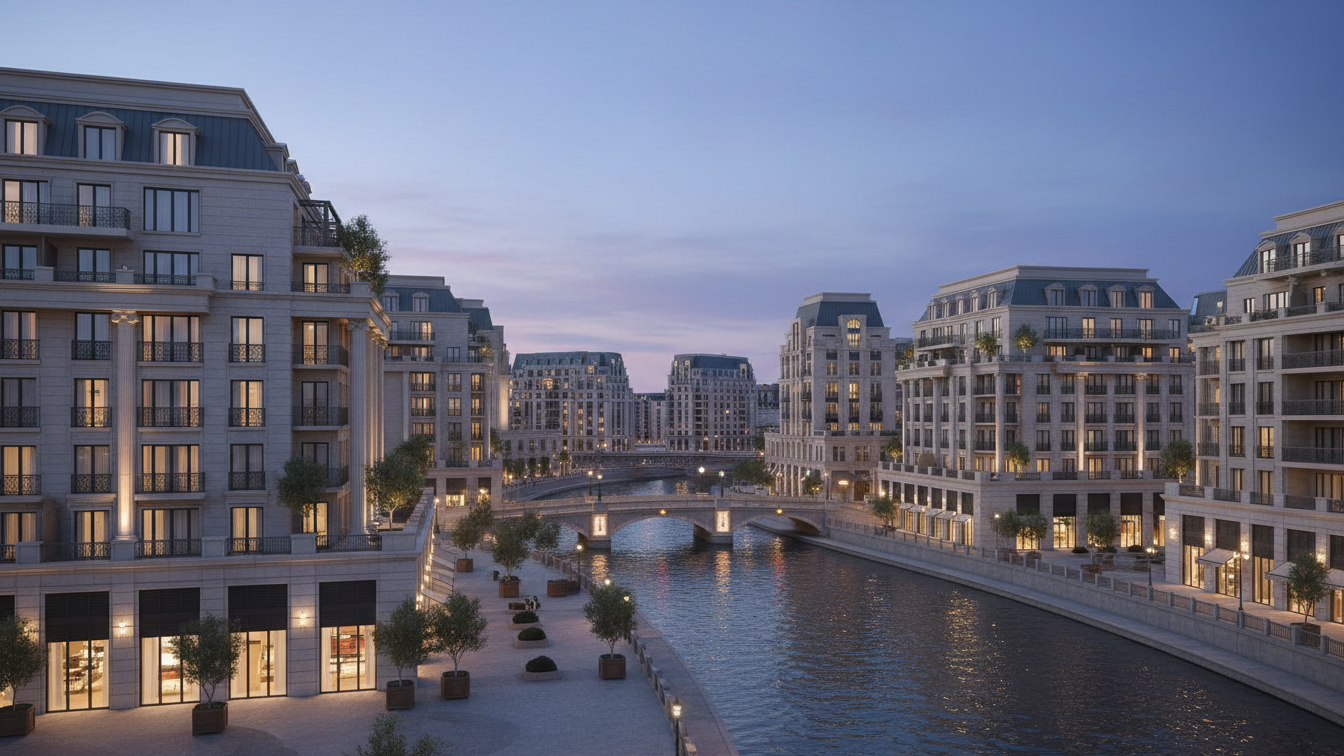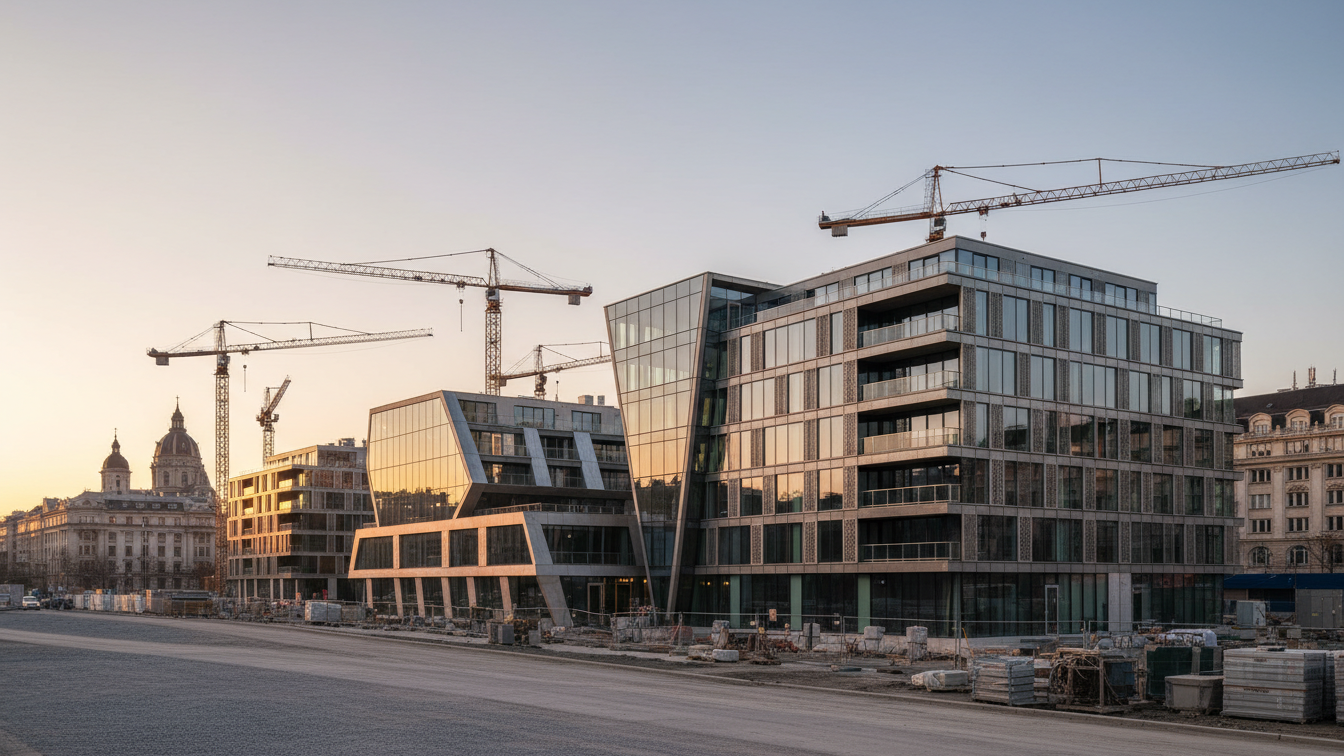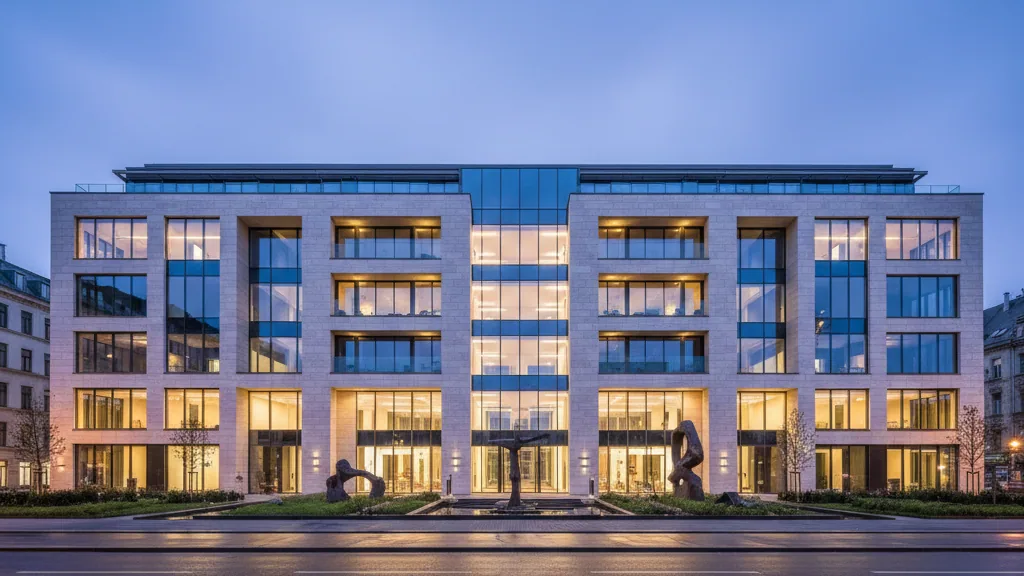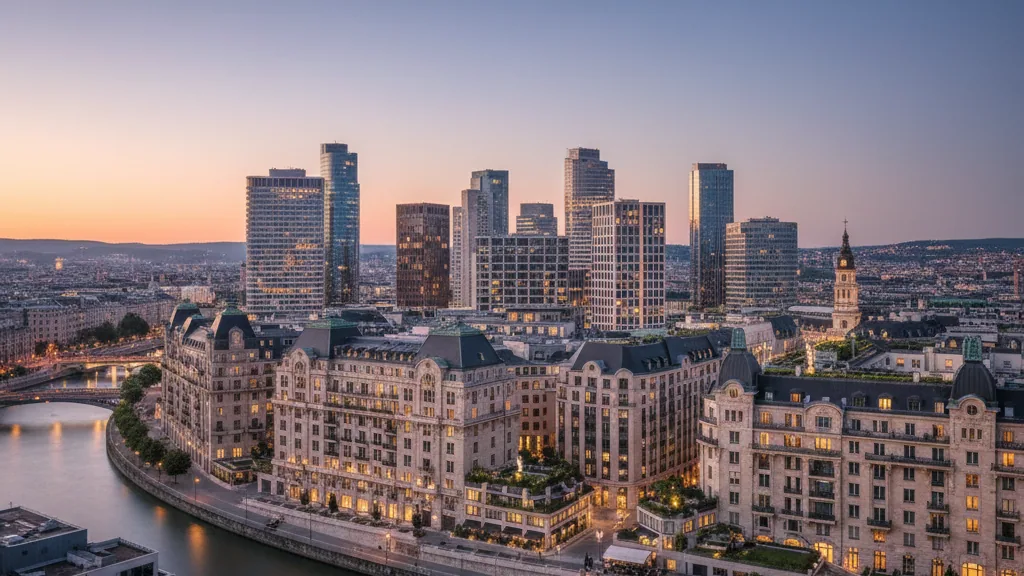
In major cities worldwide, the development of modern districts has followed a proven formula for years: combining office space, residential units, retail, food and beverage, and public spaces meets diverse market requirements and ensures activity throughout the day. While this strategy has historically underpinned the profitability of complex large-scale developments, its uncritical application across diverse markets has increasingly led to urban project uniformity. The next generation of mixed-use schemes must therefore reconnect more closely with the specific identity and potential of each location.
The long-term success of future projects relies on understanding a city's existing strengths. Every urban environment holds assets that are difficult to replicate elsewhere, whether specialised industries, university research clusters, established supply networks or thriving creative scenes. The goal of differentiated development is to unlock synergies through spatial proximity between these stakeholders, extending far beyond the mere co-existence of different uses.
Michigan Central as a benchmark for ecosystem-based urban development
A prime example of this strategic approach is Michigan Central, a 30-acre innovation and cultural district initiated by Ford in Detroit's Corktown neighbourhood. Centred around the restored Michigan Central Station, the site brings together Detroit's historic expertise in mobility, manufacturing and engineering. The concept was not intended to create yet another closed corporate campus, but rather an open hub for future-oriented mobility solutions.
Today, the district brings together established corporations such as Ford, Google and Cummins with healthcare providers such as Henry Ford Health, the Newlab innovation centre, as well as the University of Michigan and Wayne State University. More than 150 start-ups utilise the testing infrastructure and collaboration opportunities available on site. Through targeted educational initiatives in the technology sector, the momentum of the project is passed directly into Detroit's urban neighbourhoods. The real estate serves as a platform, providing physical testing grounds and resources to bring ideas into practical application.
Strategic guidelines for future project concepts
For developers, this gives rise to essential strategic priorities that must go beyond traditional planning standards:
- —Analysis of the existing ecosystem: Before determining the spatial programme, existing locational strengths across business, science, culture and infrastructure must be accurately assessed.
- —Focus on institutional proximity: Planning should primarily define which stakeholders benefit from spatial concentration and which shared spaces foster this exchange.
- —Broadening assessment criteria: Alongside traditional indicators such as footfall, occupancy rates and space utilisation, the quality of resulting partnerships and product innovations is gaining importance.
Places built on resilient relationships offer occupiers and users substantial added value that goes beyond the mere rented space. This enduring anchoring protects districts from interchangeability over the long term and secures asset stability throughout the market cycle.