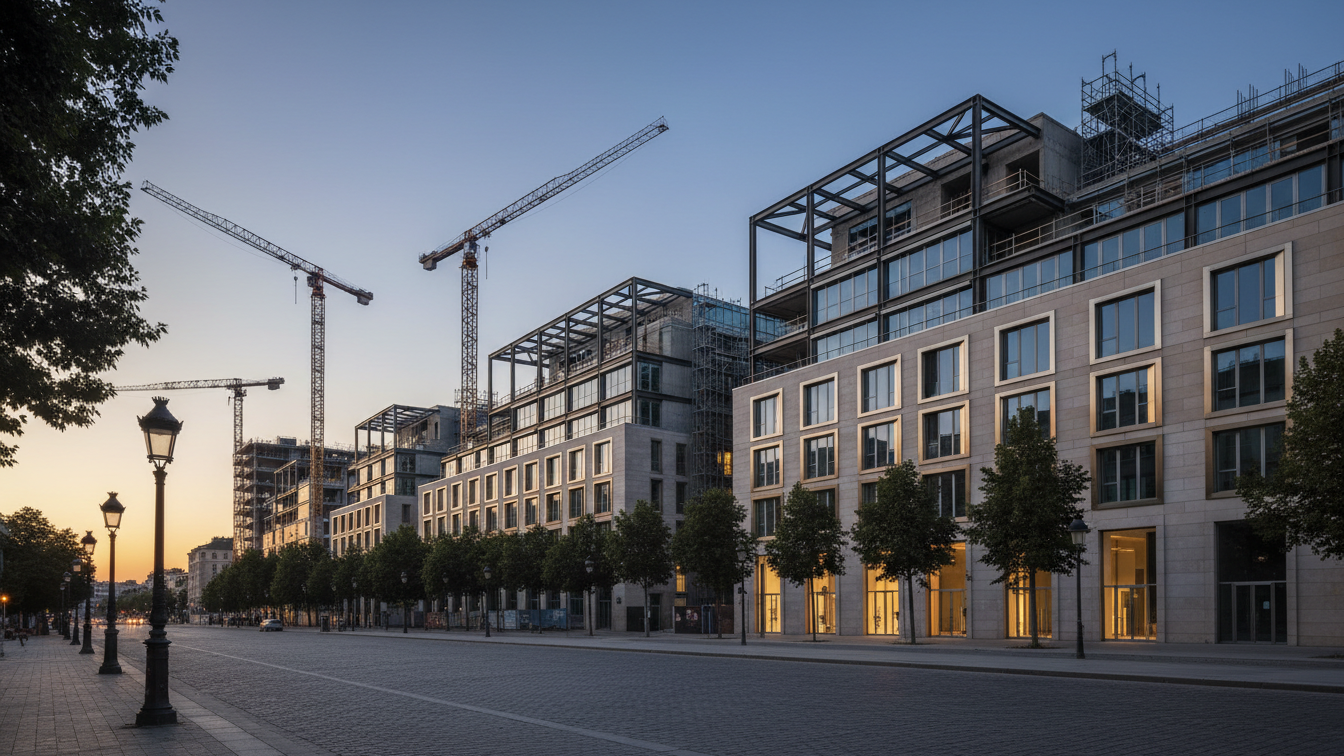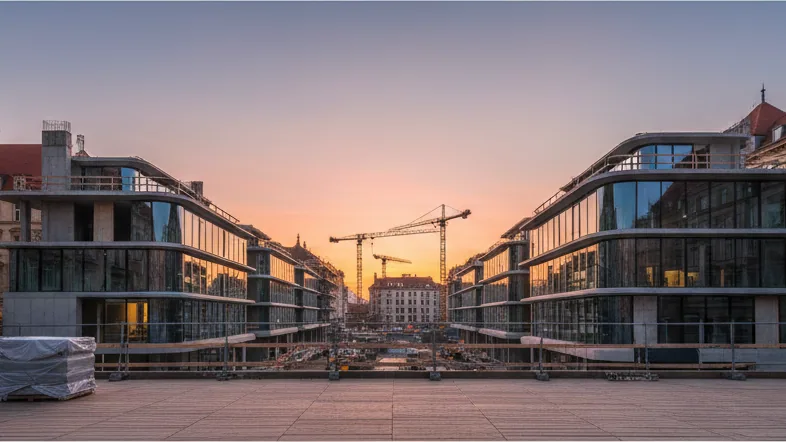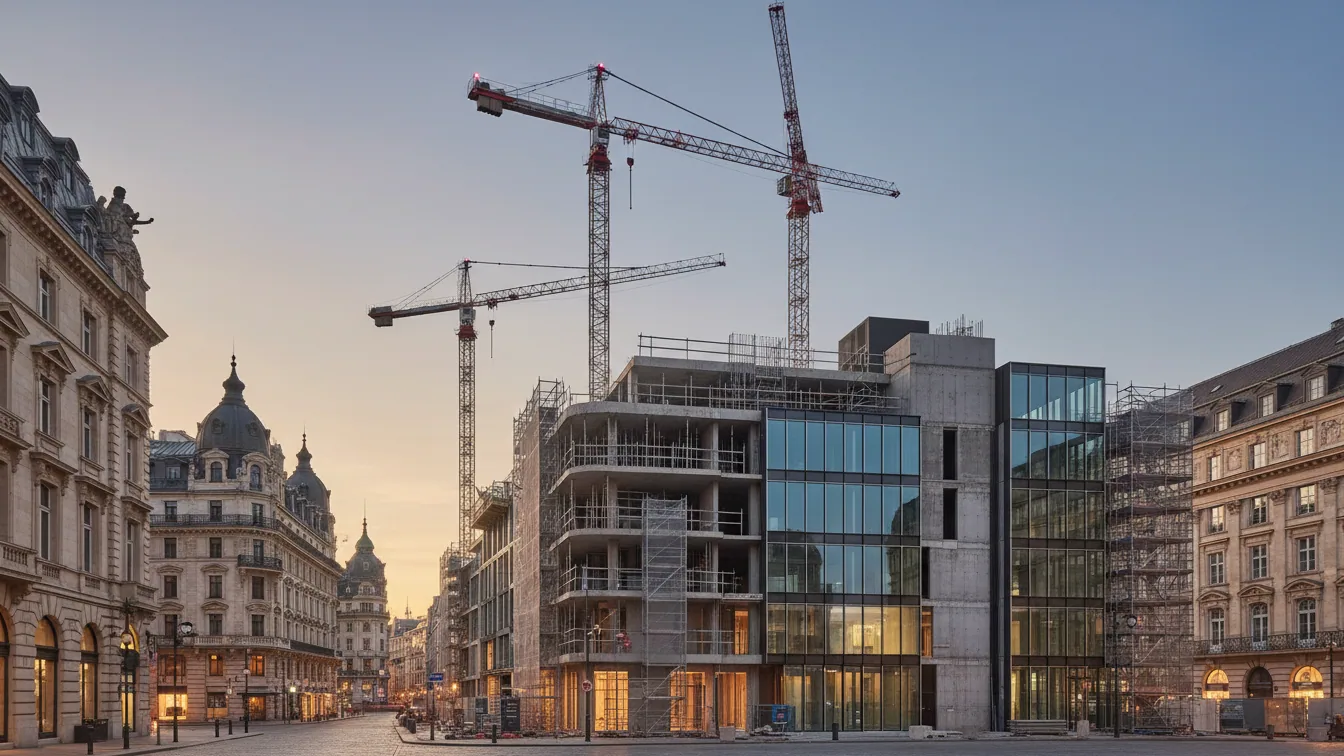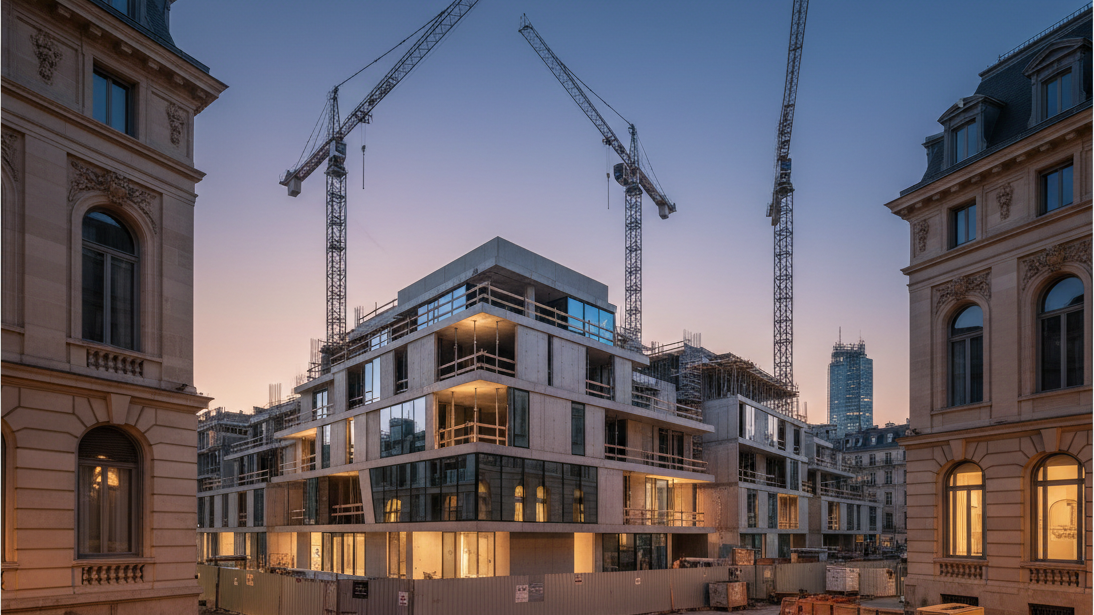
Wastebox is responsible for the digital management of waste disposal processes on one of Berlin's most comprehensive residential construction projects, the Marienhöfe. Since October 2025, waste has been handled digitally in approximately 200 individual operations as part of this endeavour. This approach enables efficient and transparent management of construction site waste.
The infrastructure on the construction site includes eleven recycling centres, ensuring consistent separation of materials. During peak phases of the construction process, up to 88 skips are in simultaneous use. A central aspect of the system is the ability to show recycling rates separately for each individual building. This creates comparability between the results of different construction phases.
Process Optimisation and Transparency
The wastebox.biz platform integrates ordering, scheduling, collection, documentation, and invoicing into a continuous digital process. This ensures that relevant documents such as weigh tickets, recycling rates, and declarations of whereabouts are centrally available. A daily updated dashboard also provides detailed data on quantities, costs, and recycling, enabling project managers to precisely control waste disposal.
For the operational implementation of on-site waste disposal, Wastebox collaborates with Container-Transport-Service Torsten Lackert GmbH. This company has been active in the Berlin area for over 30 years and ensures professional and reliable waste disposal.
Building-Specific Documentation for Over 900 Residential Units
With almost 900 residential units, the Marienhöfe is one of Berlin's significant residential construction projects. The building-specific recording of disposal data allows material quantities and recycling rates to be assigned to specific construction phases. This enables continuous tracking of development even during the construction phase. Thus, waste disposal and recycling data are available for documentation, reporting, and sustainability verification not just after project completion, but continuously.
Stephan Lißner, Head of Project Management at Goldbeck, stated that resource efficiency for them begins with a systematised approach to construction, where lean and pre-fabricated elements enable efficient material use. He emphasised that the digital processing at the Marienhöfe additionally helps to keep track of quantities, costs, and recycling at all times and reduces administrative effort. Hans Roth, founder of Saubermacher, added that the circular economy requires robust data. Only through verifiably documented material flows and recycling routes can resources be specifically channelled into the cycle and recycling performance demonstrated.