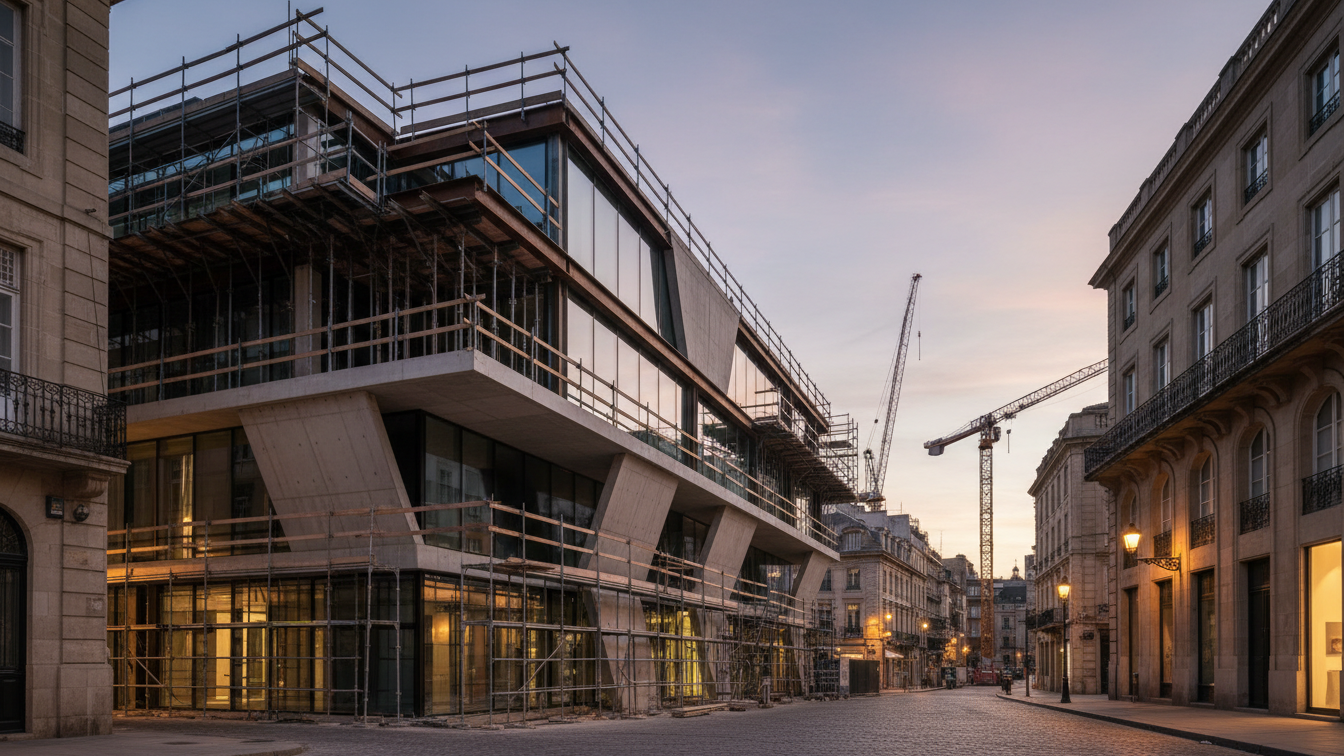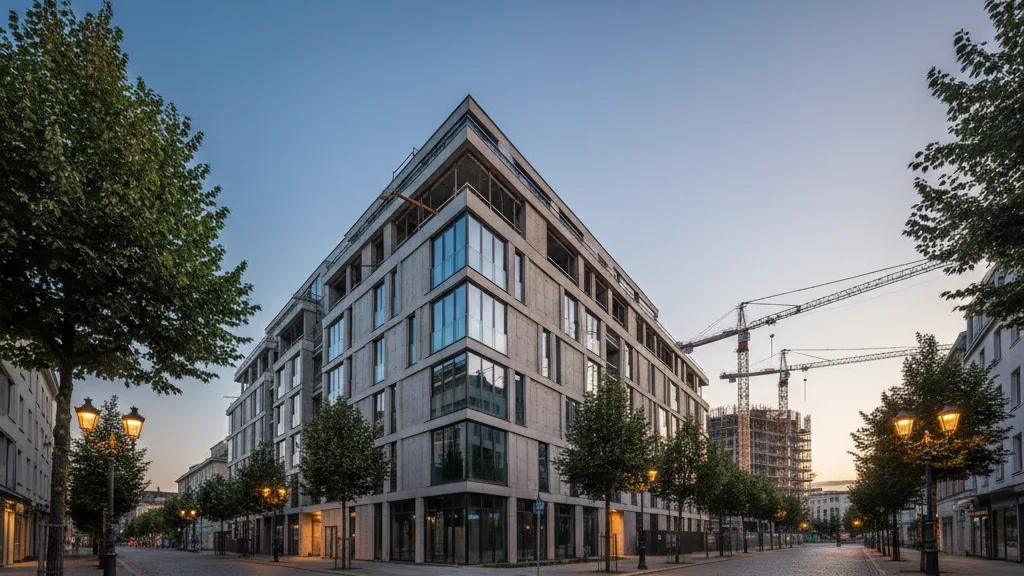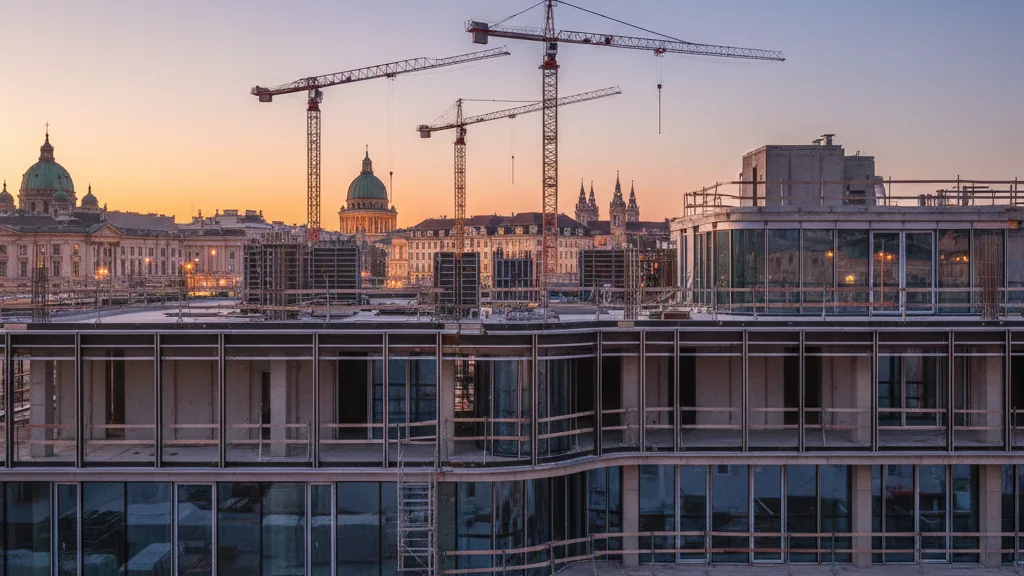
Across European housing markets, the shift in interest rates and construction costs is increasingly impacting building activity. As the latest Residential Market Overview from Catella Group for the third quarter of 2026 demonstrates, a noticeably smaller share of approved new-build homes is reaching actual completion. The bi-annual report, which analyses 59 cities across 16 European countries, recorded a decline in the average completion rate from 99.7 per cent previously to 80.1 per cent.
The metric compares housing completions between 2023 and 2025 to planning permissions granted between 2020 and 2022. The sharp downturn affects all 16 surveyed countries. Only in the Netherlands and Spain does the figure remain above the 100 per cent mark, whereas in the previous survey period six countries reached this level. Rates above 100 per cent are attributable to time delays and projects whose building permits were granted outside the three-year window.
Cost increases delay construction projects
The analysis identifies significant cost increases across the construction process as the primary cause for stalled delivery. Between building permit approval and completion, construction costs rose by 21 per cent in the most recent period under review, compared with 11 per cent in the prior period. Combined with higher financing costs, this has led to schemes being put on hold, postponed or abandoned altogether.
Dr Lars Vandrei, Head of Research at Catella Investment Management GmbH, highlights that under current conditions, planning permissions are no longer a reliable indicator of future housing supply. Mounting costs between approval and completion explain why projects are not being started or are delayed. According to Petra Blazkova of Catella Group, this reinforces the reality that supply remains structurally constrained and affordable housing represents a long-term necessity.
Yield trends and German metropolitan areas
Alongside the slowdown in construction activity, most markets saw an increase in gross yields. The European overall figure rose from 4.54 per cent in the first quarter of 2026 to 4.67 per cent. New-contract rents increased moderately to an average of EUR 20.81 per square metre per month, while condominium purchase prices averaged EUR 5,921 per square metre. Dublin remains the most expensive rental market, followed by London, Geneva and Zurich.
- —Across all eight German major cities surveyed, the average gross yield climbed to 4.61 per cent, compared to 4.42 per cent in the first quarter of 2026.
- —Munich recorded the lowest yield in Germany at 4.20 per cent, followed by Berlin at 4.25 per cent.
- —Leipzig posted the highest yield figure in Germany at 5.25 per cent.
- —The completion rate in Germany fell sharply from 103.4 per cent previously to 81.4 per cent.
Average rents across the eight German metropolitan areas decreased arithmetically by 1.0 per cent compared to the first quarter of 2026. However, this effect is not the result of declining demand, but rather of a shifted supply structure: as a consequence of sluggish construction activity, noticeably fewer high-priced new-build flats came onto the market than six months earlier.