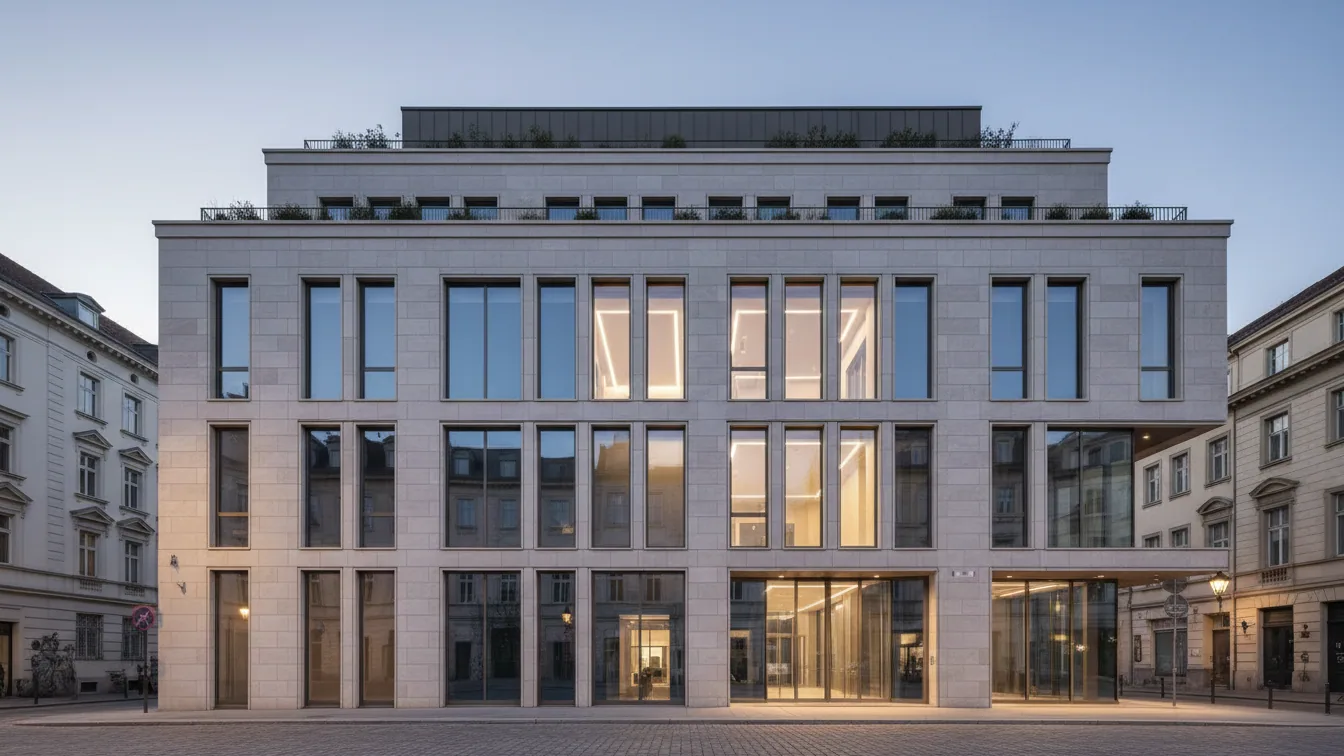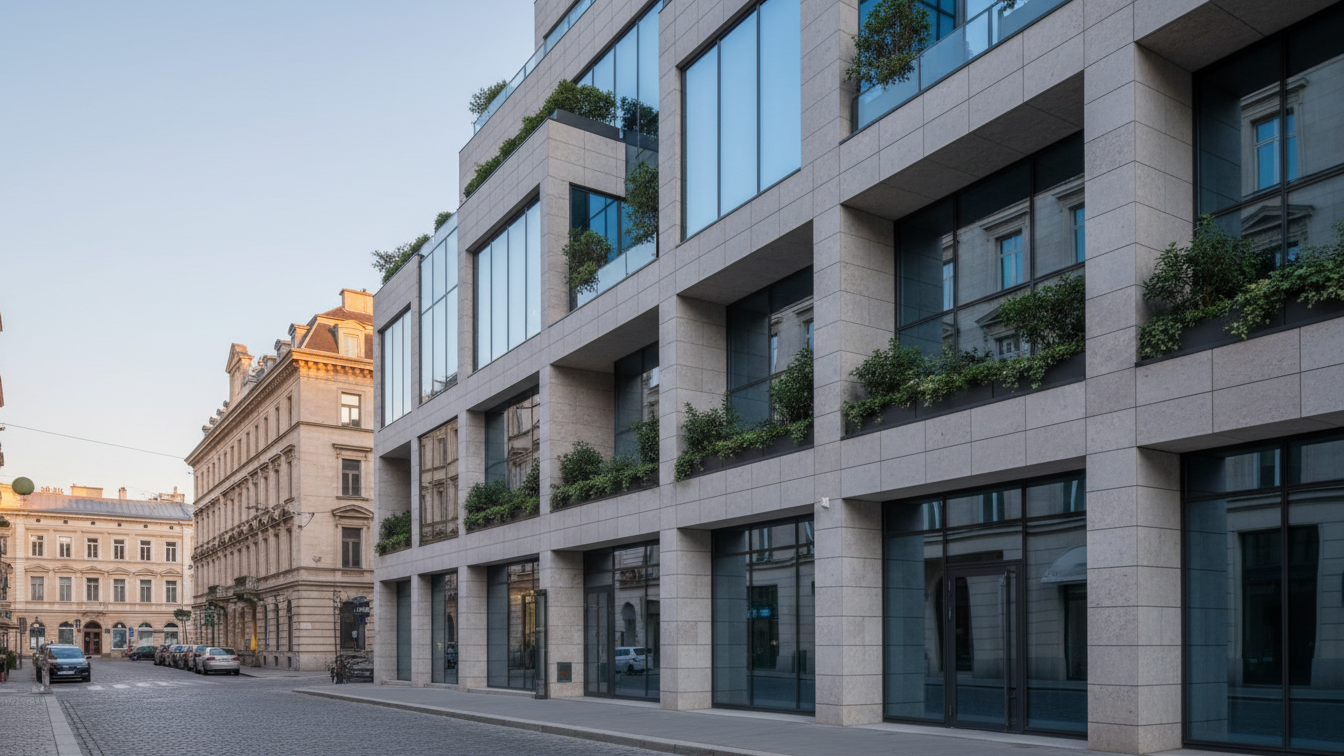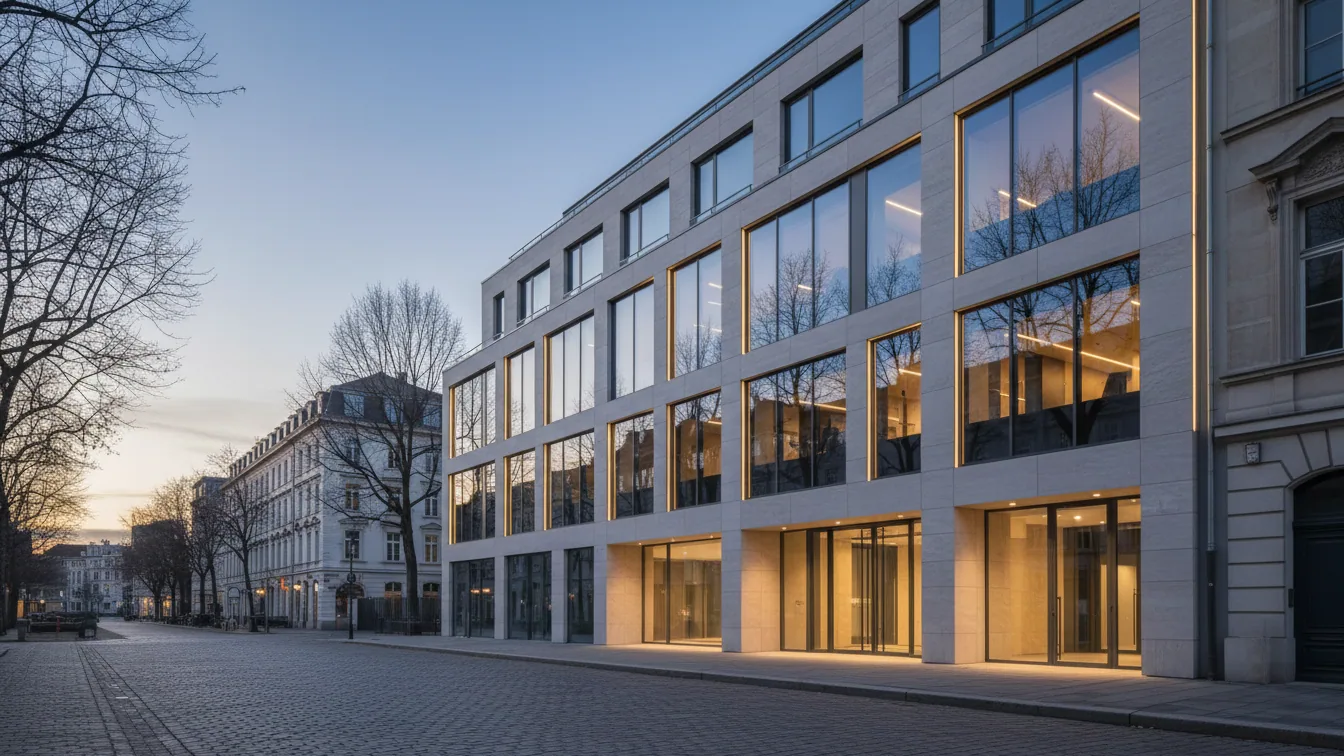
Consumer goods and fashion platform Orly has leased 20,014 square feet of office space at 20 West 33rd Street in Midtown South. This was announced by the landlord's broker. The exclusive report, originally published by Traded, refers to an agreement signed two weeks ago with landlord JLA Home. The asking rent for the ten-year lease was $55 per square foot.
Orly, originally founded as an e-commerce marketplace for luxury fashion, has evolved into a more comprehensive consumer goods platform. The company specialises in collaborating with new and emerging brands in beauty, fashion, and home textiles. Its corporate philosophy focuses on enabling these brands to scale through strategic partnerships and infrastructure. Services offered include logistics, packaging, and marketing, with Orly acting as an extended arm for the brands.
Strategic Expansion in Midtown South
The leasing of this significant office space marks an important step in Orly's growth strategy. Midtown South is a dynamic location known for its blend of traditional businesses and technology start-ups. Its proximity to major transport hubs and a diverse pool of skilled workers makes the district attractive for expanding companies. The choice of 20 West 33rd Street underscores Orly's commitment to strengthening its presence in a central business area.
The letting process on behalf of landlord JLA Home was managed by a team of brokers from Cross Street Partners, namely John Smith and Emily White. Orly was represented by Samantha Jones of Jones Realty Advisors. All parties expressed satisfaction with the successful conclusion of the lease agreement, which is seen as mutually beneficial and confirms the continued attractiveness of high-quality office spaces in New York City.
Lease Details
- —Leased Area: 20,014 square feet
- —Address: 20 West 33rd Street, Midtown South
- —Lease Term: 10 years
- —Asking Rent: $55 per square foot
This transaction reflects the current trend of agile companies, particularly from the e-commerce sector, continuing to invest in physical office spaces. This serves to consolidate teams, foster corporate culture, and create a professional work environment essential for creativity and collaboration. Despite the general shift towards hybridised working models, the demand for centrally located and high-quality offices remains high.