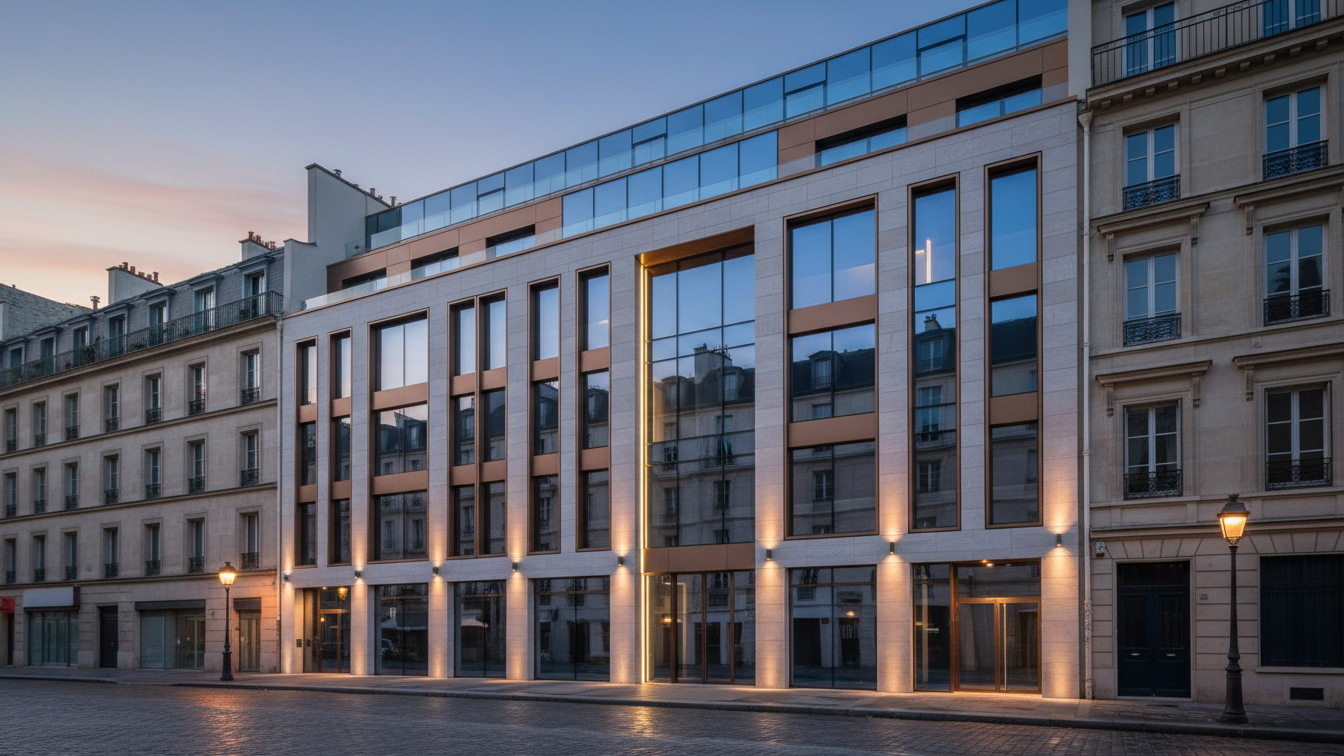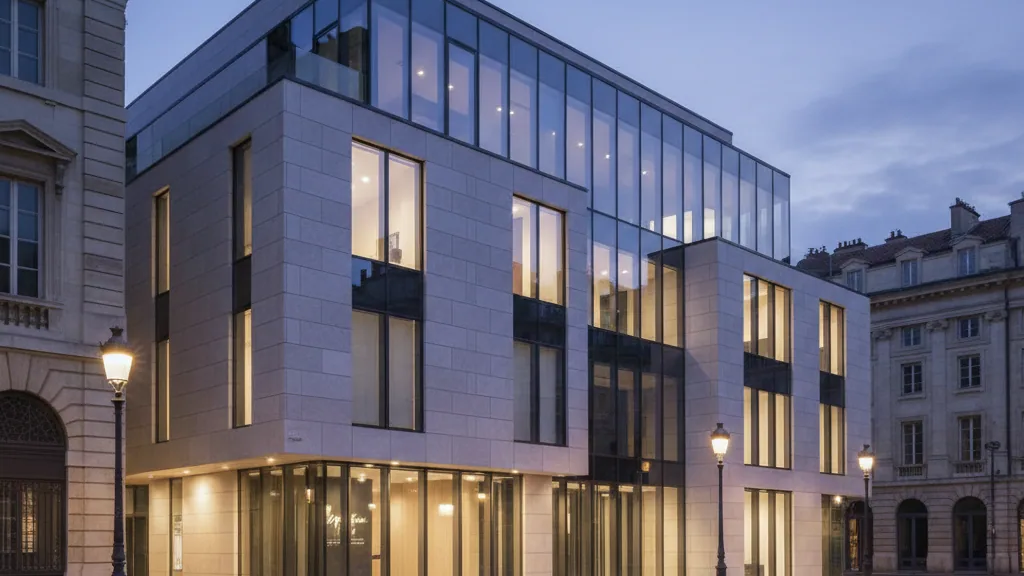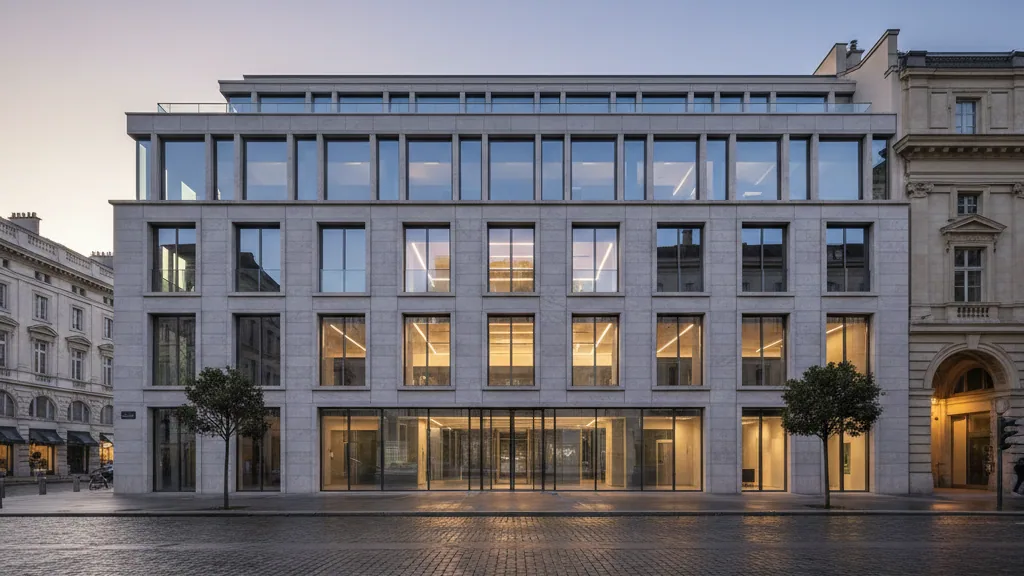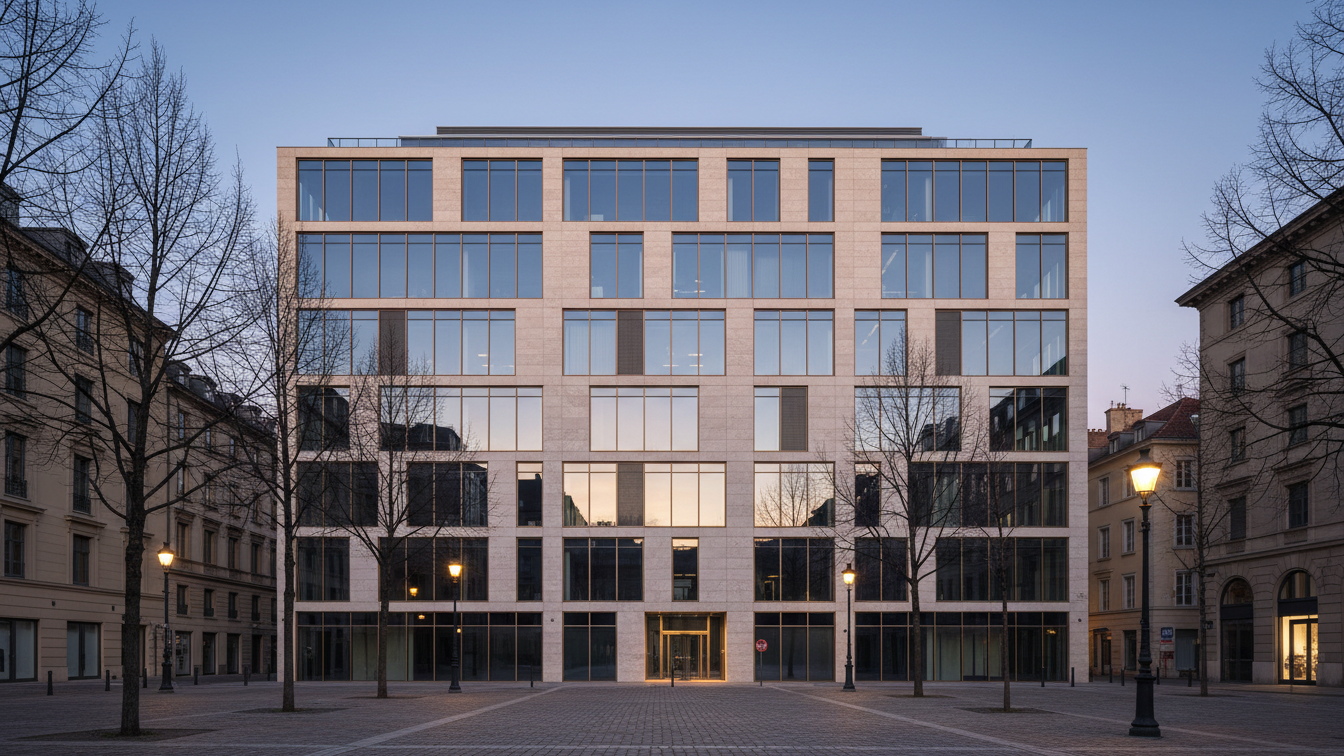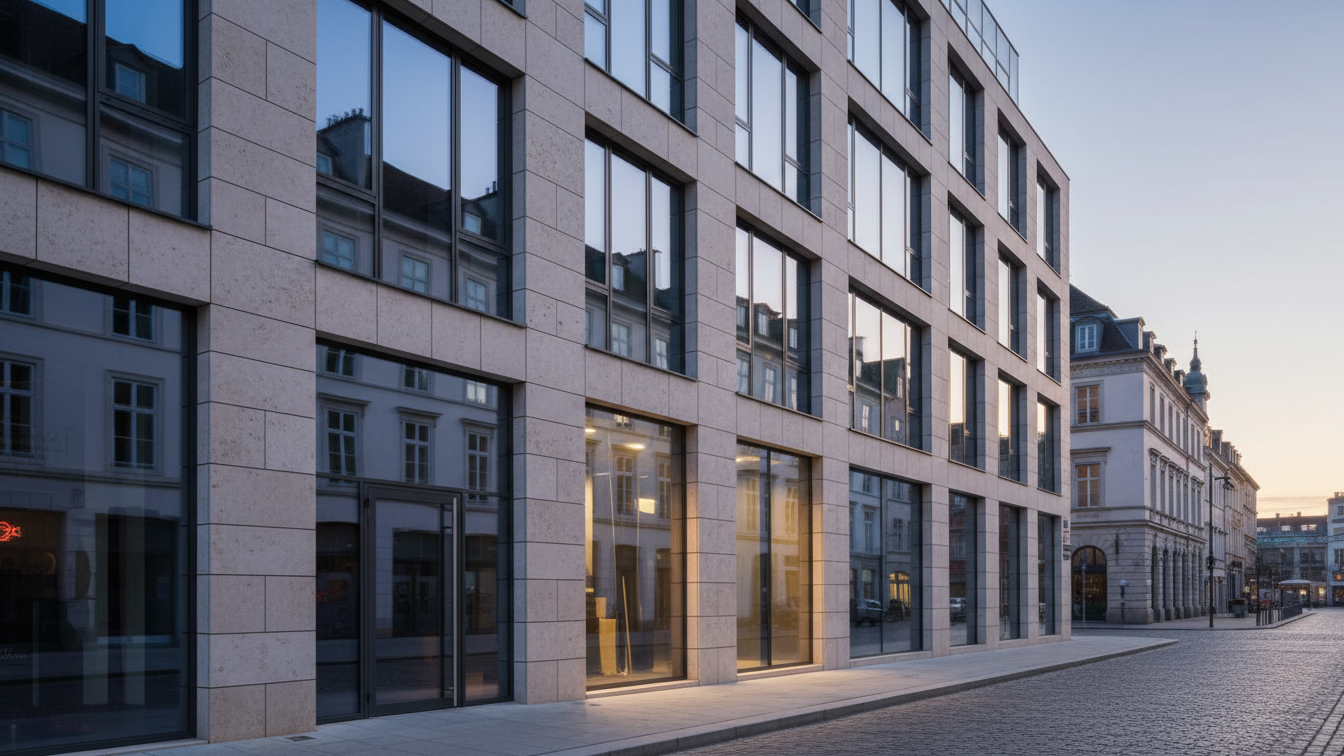
GWH Wohnungsgesellschaft and the European Investment Bank (EIB) have established a strategic collaboration to promote affordable and energy-efficient housing. The EIB is providing GWH with a long-term loan of 200 million euros. These funds are primarily earmarked for financing new construction projects with high energy standards, as well as for the comprehensive energy-efficient modernisation of GWH's existing housing portfolio.
Through this long-term financing commitment, the EIB creates reliable investment opportunities for GWH. This enables the company to plan and implement construction projects and modernisation measures over a period of several years and on a significant scale. Given the current situation in the housing market, this initiative aims to help expand the supply of affordable housing and make existing buildings future-proof by implementing modern and resource-efficient construction and energy solutions.
Focus on New Construction and Modernisation
Approximately 90 million euros of the loan is designated for new construction projects with modern energy standards, which will comprise a total of about 550 new residential units. The remaining 110 million euros are planned for the energy-efficient modernisation of approximately 5,000 existing homes. The overarching goal is to significantly reduce the energy consumption of these buildings and thereby stabilise heating costs for tenants in the long term. A particular focus here is on residential areas for families with middle and lower incomes, especially in dynamic growth regions such as the Rhine-Main area. The investments aim to curb the rise in housing costs without compromising climate protection.
Matthias Voss, CFO of GWH, spoke at the signing of the framework agreement at GWH headquarters in Frankfurt. He emphasised that the EIB's framework financing is an important milestone as it tangibly improves the conditions for future investments. This includes the construction of new homes, the minimisation of ancillary costs for tenants, and the decarbonisation of the existing building stock.
Nicola Beer, Vice-President of the EIB, highlighted how the partnership contributes to creating liveable neighbourhoods in a city like Frankfurt, where housing affordability is a pressing issue, and offers concrete support for monthly costs. She added that investments in efficient buildings ensure that heating energy does not become a luxury item and that families keep their ancillary costs under control.
- —200 million euro EIB loan for GWH.
- —90 million euros for new construction of approx. 550 homes.
- —110 million euros for energy-efficient modernisation of approx. 5,000 existing homes.
- —Focus on affordable housing and climate protection.
A concrete example of the planned measures is the Henri-Dunant-Siedlung in Frankfurt-Sossenheim, where comprehensive energy-efficient modernisation has been underway since 2021. Several buildings and outdoor facilities have already been renovated there; since autumn 2024, a modern district heating plant has supplied the neighbourhood with heat, primarily generated from climate-neutral biomethane in combined heat and power. Further measures to improve energy standards are planned for the coming years. Stefan Bürger, CEO of GWH, reaffirmed that the framework agreement is of great value not only for GWH but also for its tenants, for whom they continuously advocate. He explained that GWH is working intensively to equip its residential areas with modern energy systems to ensure affordable ancillary costs. The EIB funds enable them to pursue these goals more consistently and to create or secure affordable, attractive housing. Matthias Voss added that investments in energy efficiency permanently increase property value and strengthen the company's foundation. The aim is to reduce emissions and energy costs by lowering energy consumption, thereby promoting the quality of living and the future viability of the property portfolio.
The EIB's long-term and flexible loans strengthen the financial structure of housing companies and mobilise additional public and private funds. This scales investment programmes for affordable and sustainable housing. The EIB financing of 200 million euros for GWH mobilises total investments of over 447 million euros. Over the past ten years, the EIB Group has invested more than 7.2 billion euros in housing finance in Germany. This financing builds on existing commitments and is part of the next phase of the EIB Group's European housing offensive, which aims to double the annual financing volume for affordable and sustainable housing across Europe to approximately 6 billion euros.