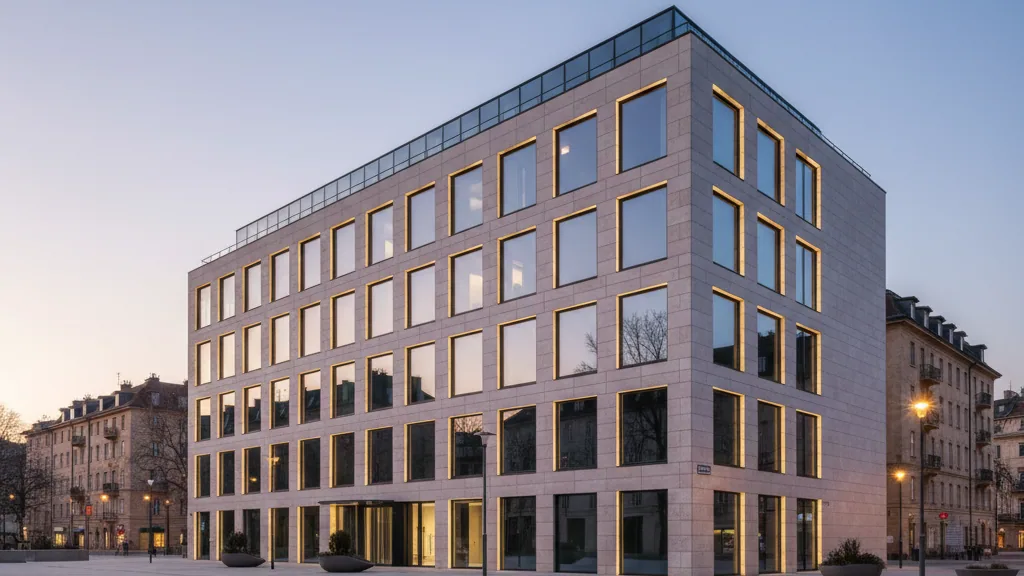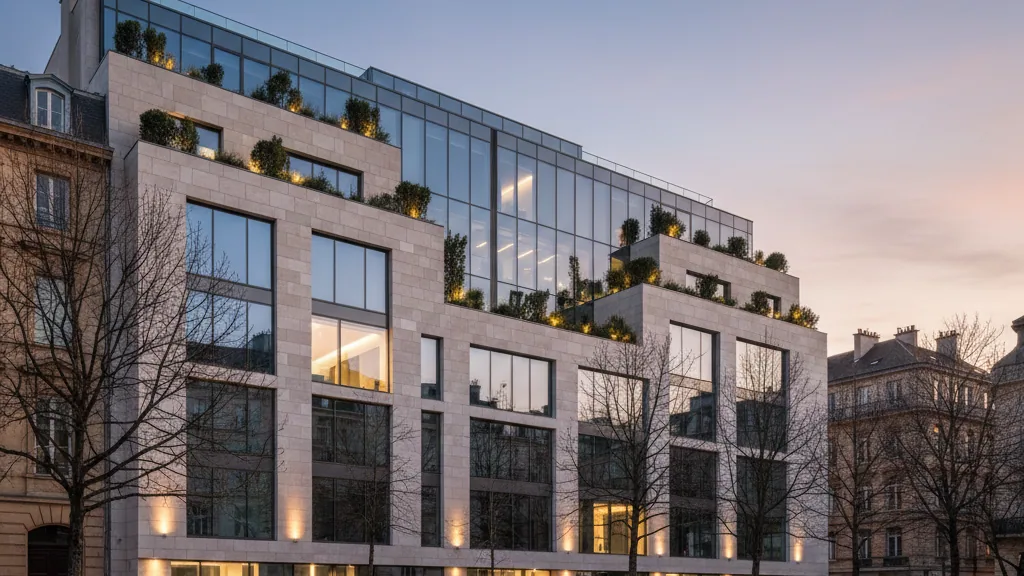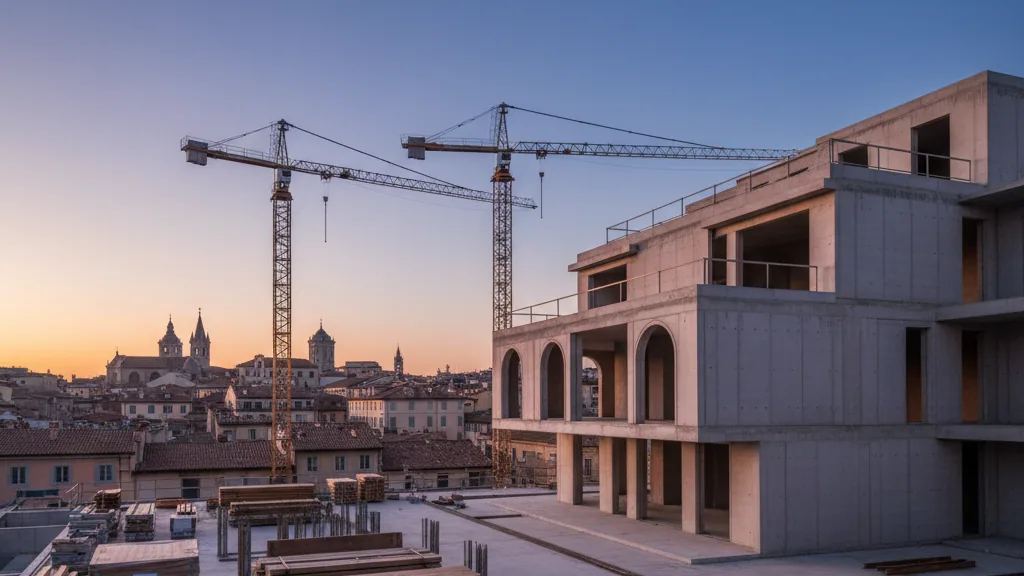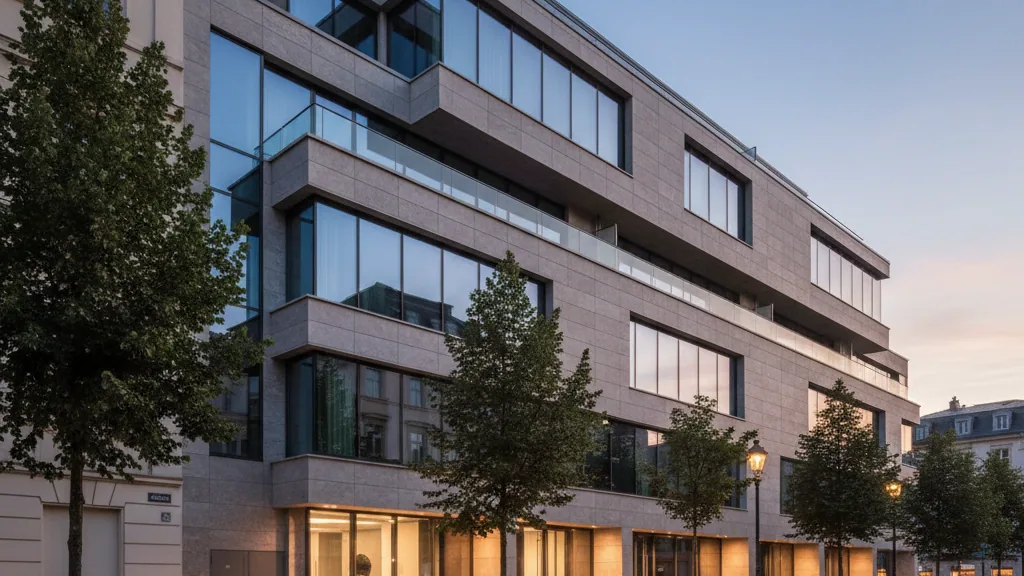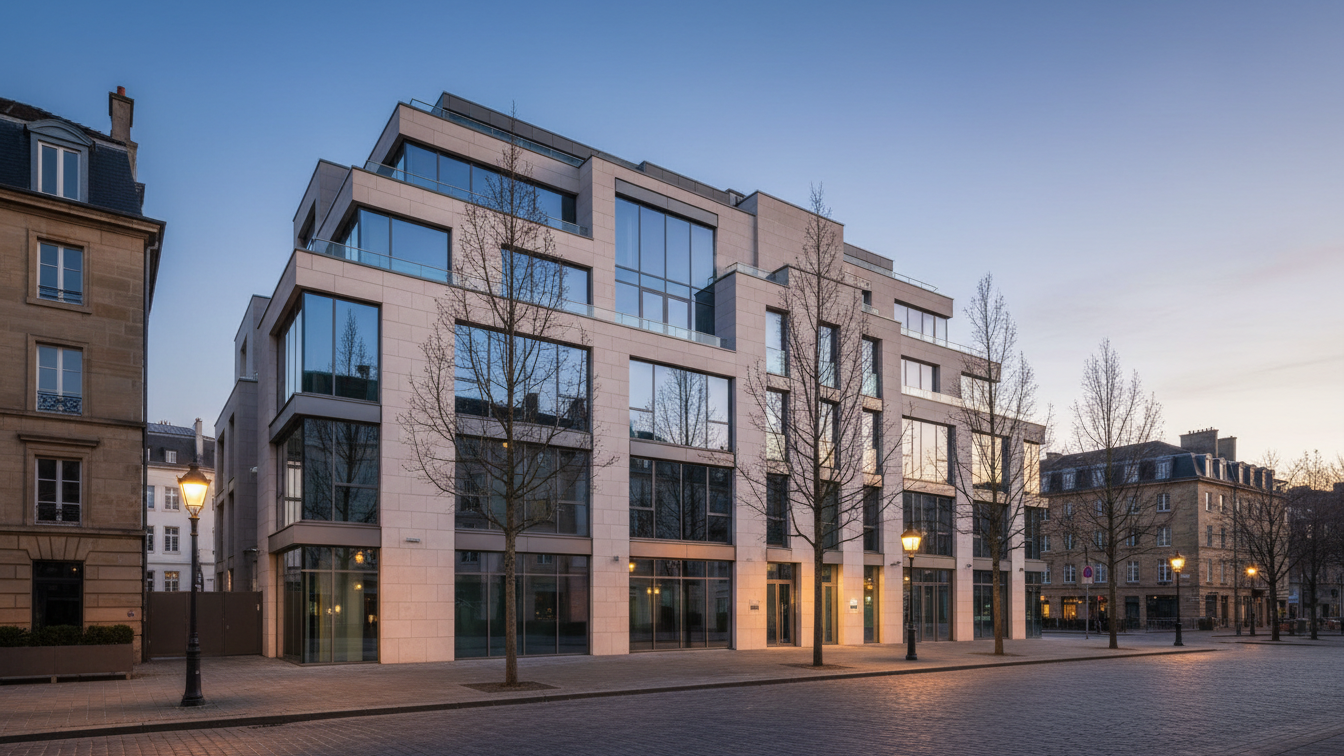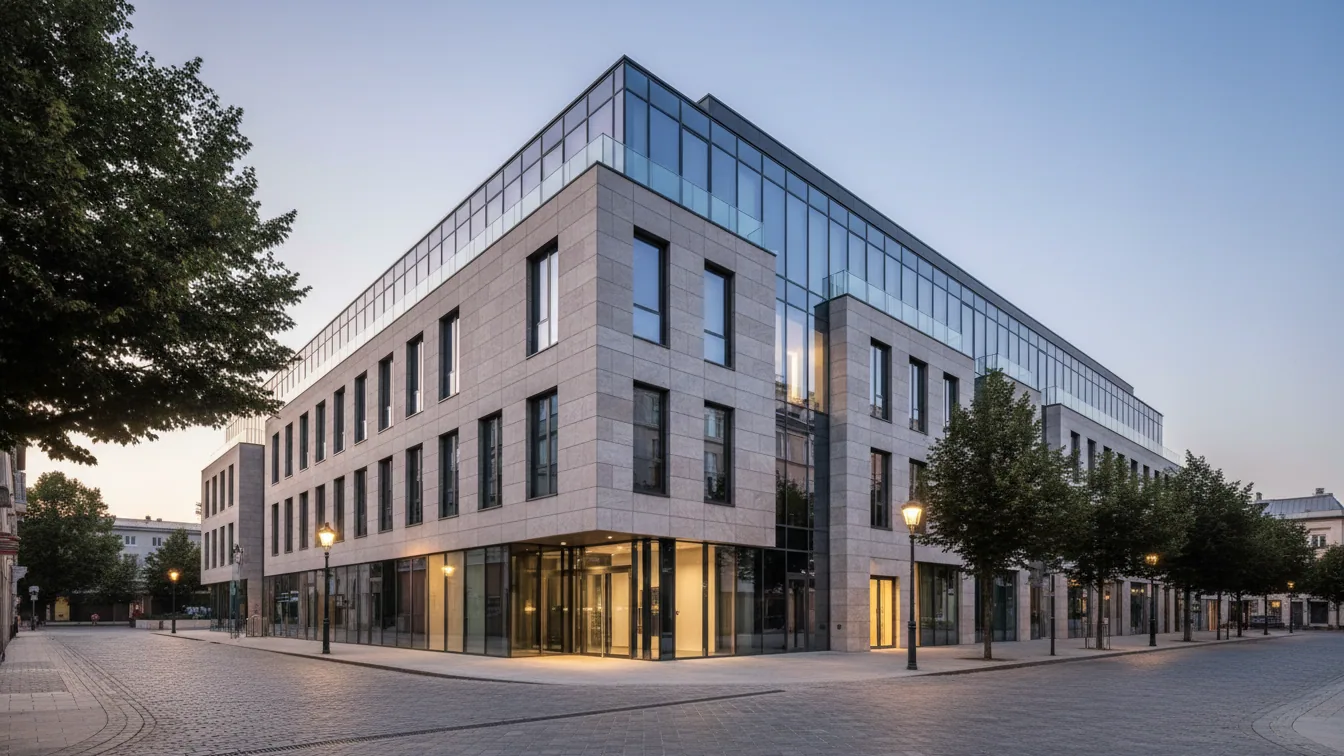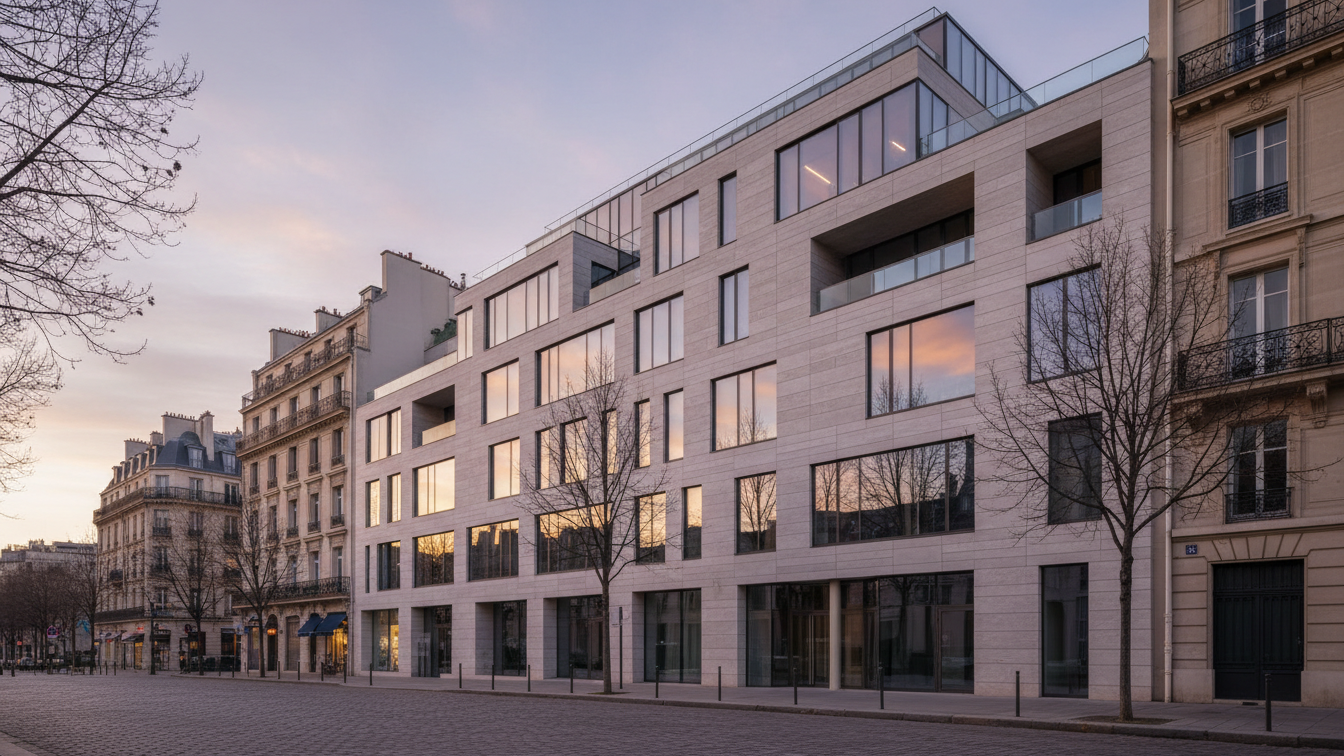
The full-service construction provider Köster, in collaboration with Polycare, has subjected the circular wall system SEMBLA® to comprehensive testing. This trial took place for the first time on an active construction site, specifically as part of the development of the Xperience Quartier near Munich. The aim of this measure was to evaluate the practicability and performance of the system under authentic working conditions.
The SEMBLA® wall system is characterised by its circular use of materials. It is based on a modular principle that allows for dry construction. The individual elements are interlocked and secured, eliminating the need for mortar or adhesives. This not only simplifies erection but also subsequent deconstruction, as the components can be separated by type and reused. Such approaches are of increasing relevance to FREITAG® Immobilien in the context of sustainable project developments.
Application and initial findings
The implementation on the construction site served to gain valid data on assembly speed, handling, and the necessary expertise of the construction workers. A key aspect of the investigation was whether the system is compatible with standard construction processes and what adjustments, if any, are required to further increase efficiency. The insights gained are crucial for the further development and potential broader market introduction of circular building systems in the real estate sector.
For the real estate industry, the successful integration of such innovative building technologies represents a significant opportunity to reduce the ecological footprint of buildings. In particular, the reusability of building components and the avoidance of construction waste contribute significantly to a circular economy, which can increase the long-term value of a property. FREITAG® Immobilien observes these developments with great interest to be able to advise clients on investments in future-proof projects.
Significance for the industry
Practical testing by an experienced full-service construction provider like Köster provides compelling arguments for the scalability and economic viability of circular construction methods. Projects that rely on such systems can not only demonstrate ecological advantages but also achieve efficiencies during the construction phase and in future repurposing or dismantling. The evaluation of new technologies under real conditions is an important step towards translating concepts into construction practice. These innovations strengthen the competitiveness of developers and investors who opt for a sustainable approach.