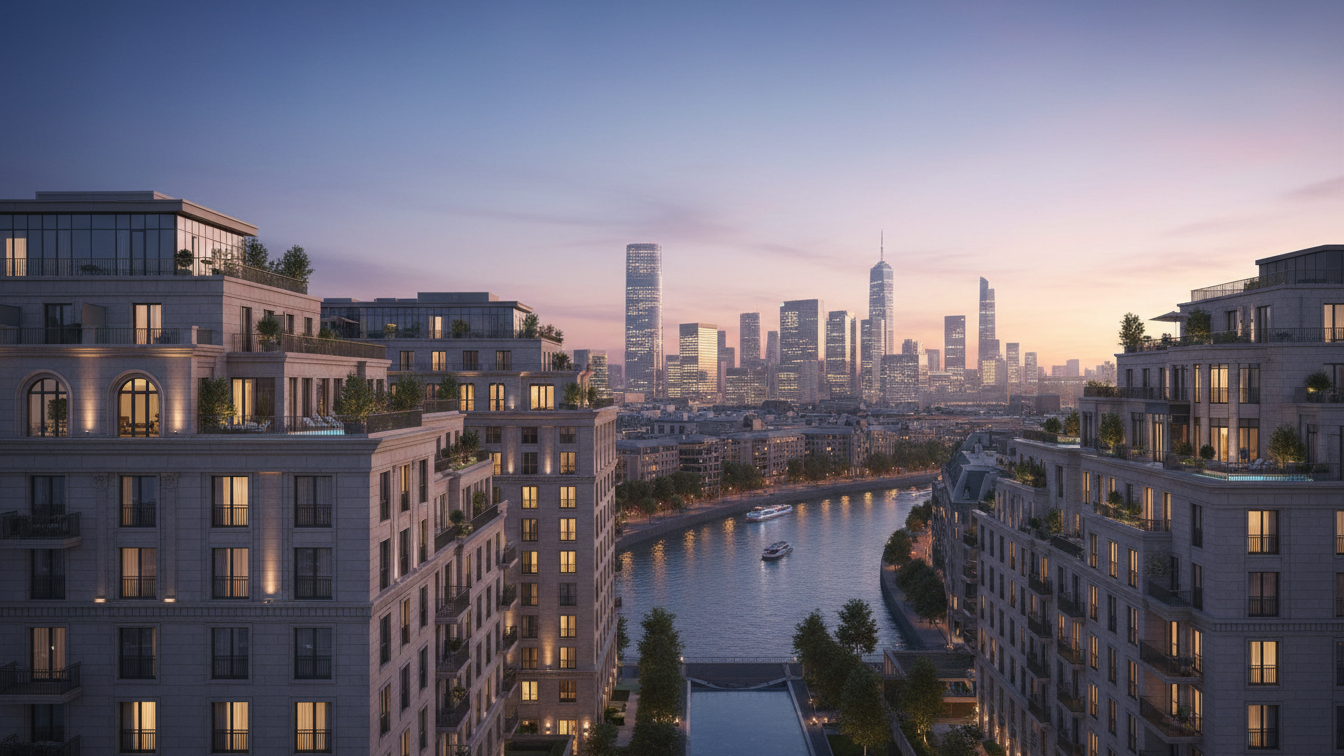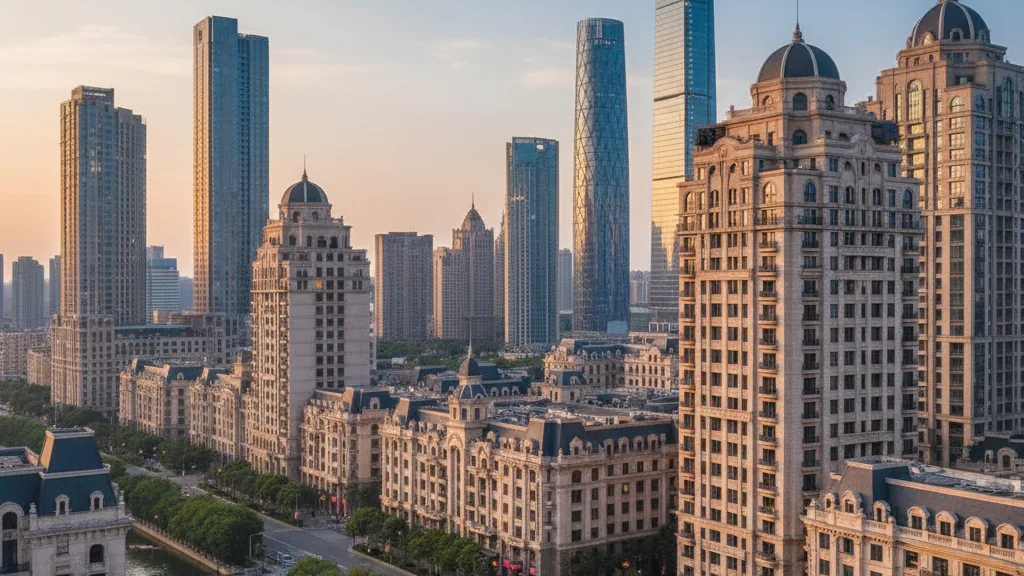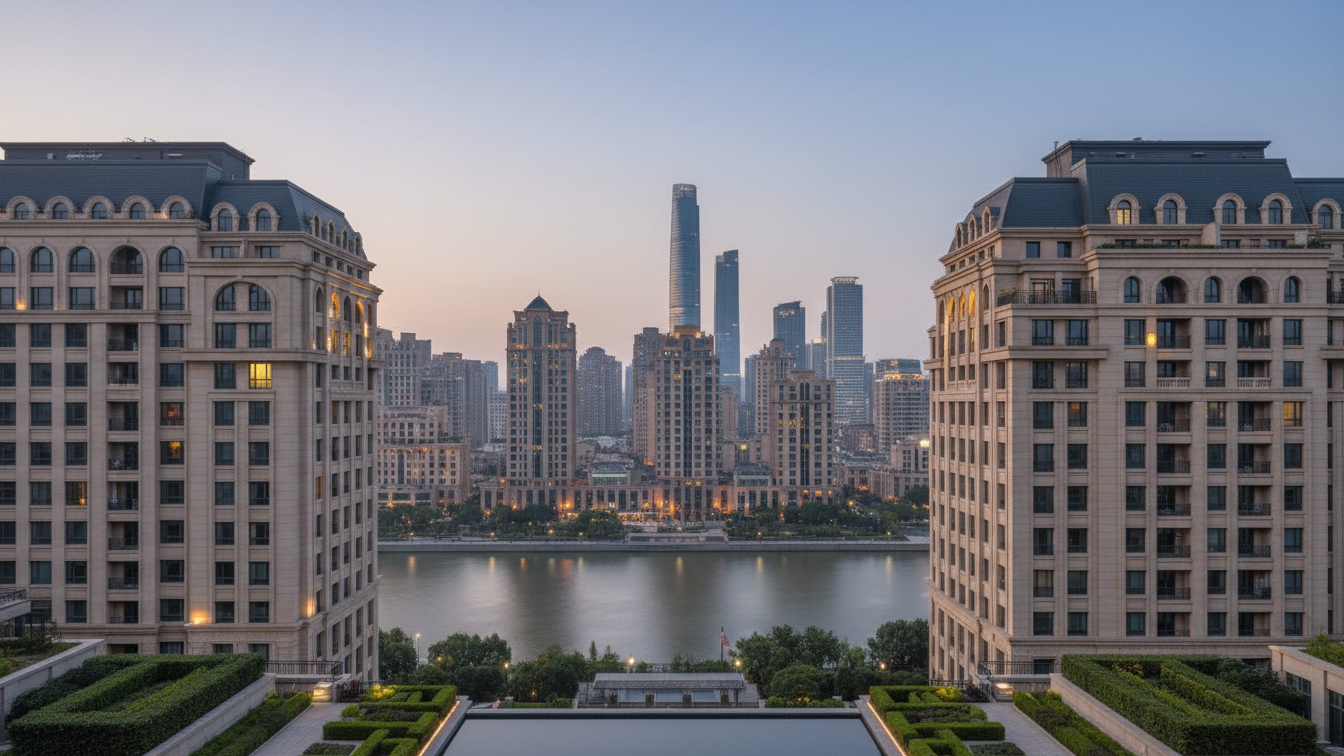
South Florida's swift post-pandemic development has brought about a remarkable change in the cost of living in the US, making Miami a victim of its own success. For the first time in data recording, the Miami-Fort Lauderdale-West Palm Beach metropolitan area ranks as the nation's second most expensive major urban region, surpassing the New York-Newark-Jersey City region and trailing only behind the San Francisco Bay Area.
This development is attributable to a combination of factors that have significantly influenced the market in recent years. The influx of new residents, particularly from more expensive metropolitan areas, has substantially increased demand for housing and services. In parallel, rental prices and property values have risen at an unprecedented pace, making the region increasingly unaffordable for many of its long-term residents.
Economic Dynamics and Their Consequences
The economic dynamism that Miami has experienced in recent years is undeniable. The region has become a magnet for technology companies, financial service providers, and international investors. While this has led to a robust job market and a boost for the local economy, it has simultaneously fuelled the inflation of living costs. The availability of building land is limited, making it difficult to create enough affordable housing. Infrastructure also needs to keep pace with the rate of growth, which requires additional investment.
A comparison of average monthly expenses illustrates the situation. While the San Francisco Bay Area continues to lead, costs in Miami have significantly increased, particularly for housing and transport. Experts point out that the failure of salaries to keep up with the increased cost of living represents a considerable burden for many residents. This could further exacerbate social inequality.
Shift in National Ranking
The shift in national ranking is an indicator of broader trends in the US property market. While traditionally high-cost regions like New York remain expensive, secondary metropolitan areas offering attractive lifestyles and growth potential are experiencing a significant rise in prices. This forces companies and individuals to strategically re-evaluate their location decisions. The search for more affordable housing could, in the long term, lead to a further geographical redistribution of the population.
- —Miami-Fort Lauderdale-West Palm Beach is the second most expensive metropolitan area in the USA.
- —It surpasses the New York Region in terms of cost of living.
- —Factors include influx of residents, limited building land, and economic boom.
- —San Francisco Bay Area remains the most expensive metropolitan area.