B
uying a bargain home can feel like a win, but hidden pitfalls often turn a low price into a costly nightmare. Real‑estate and construction experts point out that the cheapest listings frequently carry unseen problems that can erode savings long after closing. Below are the most common traps and how to spot them.
1. **Homes in Aging or Declining Neighborhoods**
Many low‑priced houses sit in older, deteriorating areas or places with shrinking populations. The age of the structure, coupled with harsh weather—especially humid winters and freeze‑thaw cycles—can demand major system or structural replacements. “Rust belt” neighborhoods often have homes that need extensive work, turning a deal into tens of thousands in repairs.
2. **Unpermitted or Poorly Done Additions**
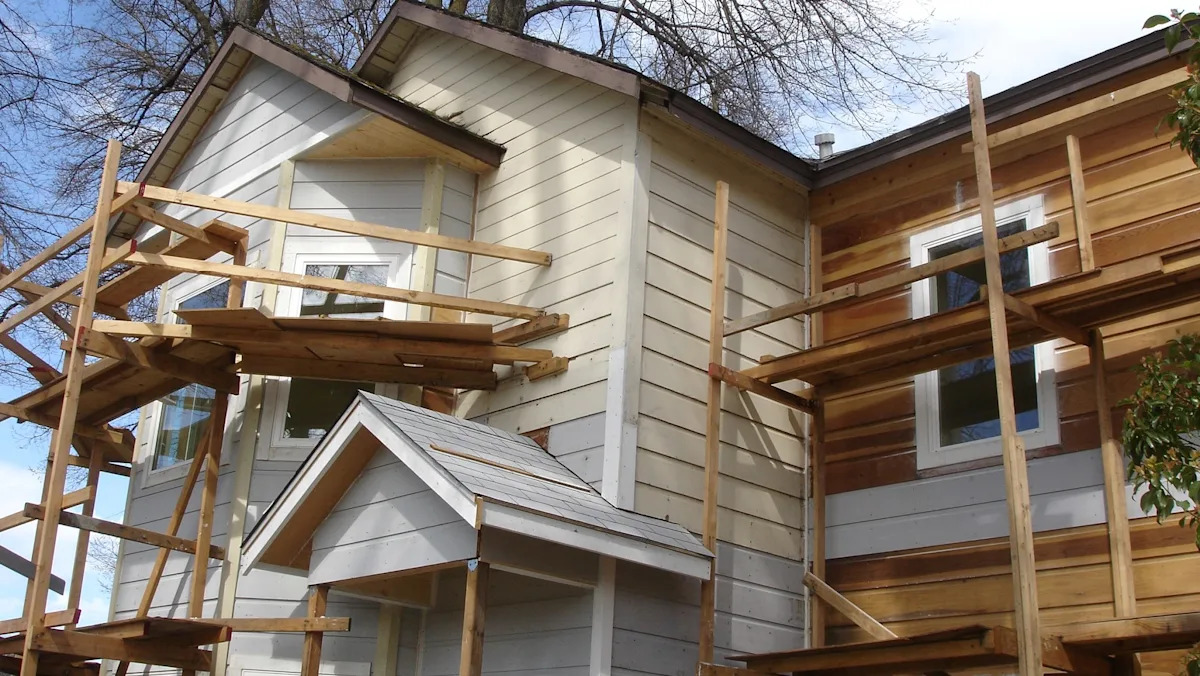
Unapproved renovations can lead to “financial heartache.” Buyers may have to bring the work up to code, which can add tens of thousands to the cost of ownership. A home that looks attractive on paper may hide costly compliance issues.
3. **Hidden Costs in Taxes, Insurance, and Utilities**
A low purchase price does not guarantee low ongoing expenses. High insurance premiums, steep utility bills in older homes, unexpected property taxes, and the cost of living in the surrounding area can all add up. Inefficient windows, insulation, or HVAC systems can drive up utility costs, while property taxes and insurance can push monthly payments beyond what buyers can afford.
4. **Fixer‑Uppers That Require More Work Than Expected**
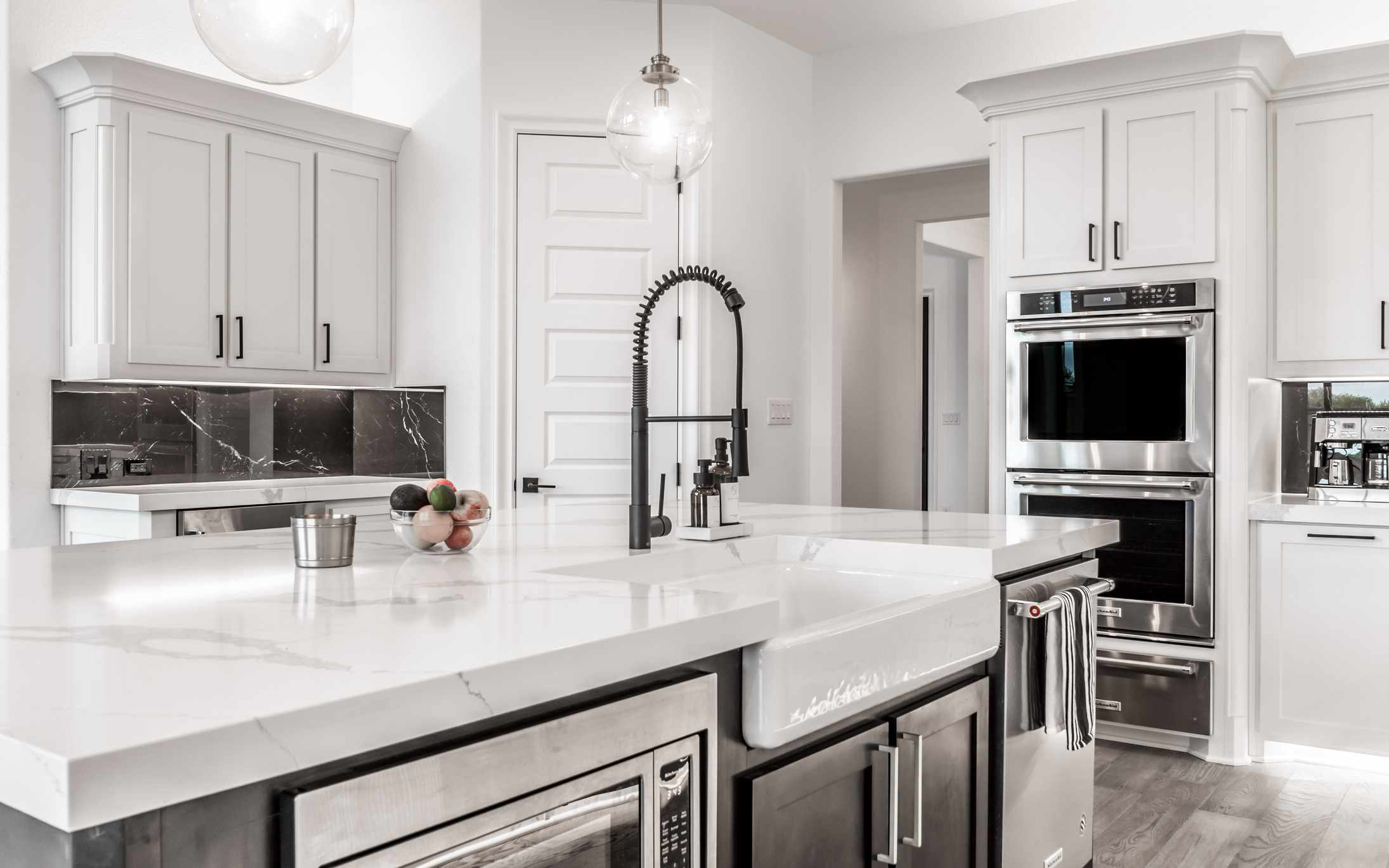
While fixer‑uppers can be solid investments, they only pay off if the neighborhood supports long‑term value and the buyer understands the renovation scope. Elevated labor and material prices can quickly erase savings unless the buyer can perform much of the work themselves. Surface‑level updates (e.g., new countertops) are not the same as foundation repair or major system replacements.
5. **Old or Outdated Systems**
Major systems—HVAC, plumbing, roofing—are costly to repair or replace. If they fail shortly after move‑in, buyers may end up paying more in upgrades than their down payment. Lead pipes, knob‑and‑tube wiring, and slab leaks can cost $3,000 to $8,000 or more. A faulty foundation can cause a cascade of problems.
6. **Extreme Weather and Climate‑Driven Insurance Surges**
Homes in high‑risk weather zones often come with soaring insurance premiums or may be difficult to insure at all. Buyers may underestimate the risk until they face annual increases or catastrophic repair costs. Flooding, for instance, can destroy flooring, drywall, and electrical systems.
7. **Financing Traps**
Some “affordable” homes appear budget‑friendly because of short‑term financing structures that are not as stable as fixed‑rate loans. Adjustable‑rate mortgages may start low but can spike sharply after the introductory period. Understanding all terms and rates before signing is essential.
8. **Red Flags in “Too Good to Be True” Listings**
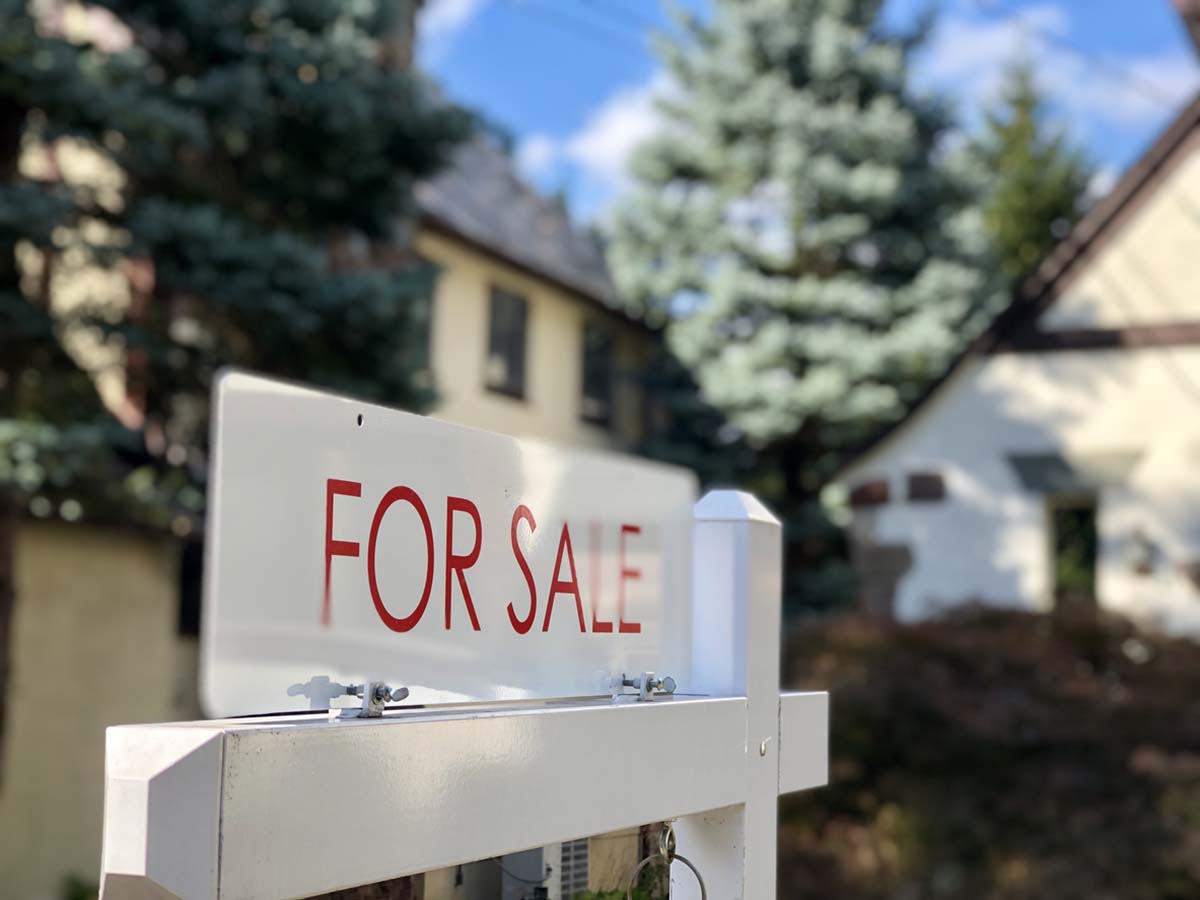
Underpriced homes often hide deeper structural, financial, or legal issues. Poor photos and sparse descriptions can be attempts to conceal problems flagged by inspectors. Homes that have sat on the market for a long time or have been relisted repeatedly warrant extra scrutiny. A knowledgeable realtor can help identify red flags and guide buyers through the purchase.
**How to Buy a Low‑Cost Home Without Getting Burned**
Cheap homes can still be good buys if buyers approach them with clarity and thorough due diligence. Listen to inspection findings, understand true long‑term costs, and analyze neighborhood conditions. Spend money on a comprehensive home inspection or hire a structural engineer—this is a nominal cost if it saves you $50,000 or more. If you’re set on a lower‑cost home, the only real bargain is one you’ve fully inspected and appropriately budgeted for before signing.