A
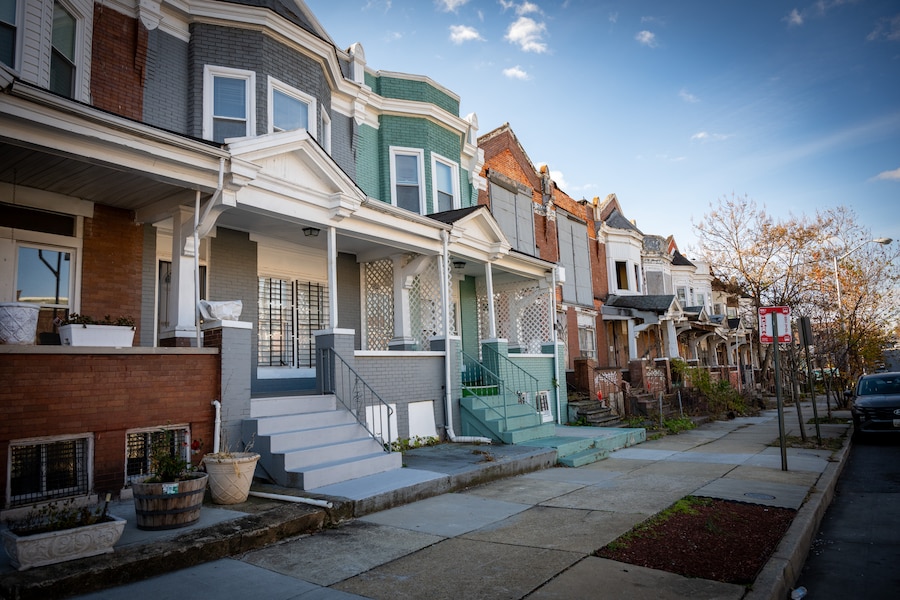
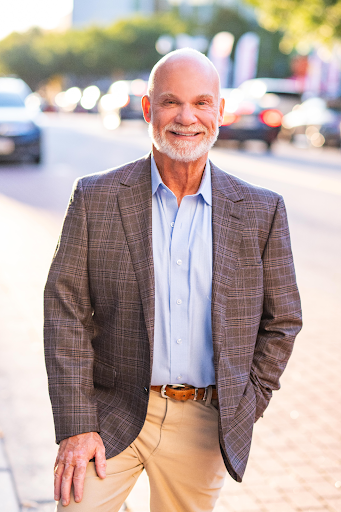
rgentine investors, lured by Fernando Plastino’s pitch from his Potomac office, poured money into Baltimore real‑estate deals that promised high returns. Plastino, through a network of shell companies such as FPBC LLC, claimed to acquire, manage, and rent distressed homes in East and West Baltimore, collecting rent and forwarding profits to foreign backers. The investors were told the properties were in good condition and would quickly generate income, a tempting proposition for those seeking stability outside Argentina’s volatile markets.
When the promised rent payments stopped, many investors discovered that the homes were in far worse shape than advertised. Several were essentially uninhabitable, lacking basic utilities or finished repairs, making them difficult or impossible to lease. The fallout has become part of a broader pattern of overseas buyers facing losses in Baltimore’s distressed‑property market. In 2022, The Banner exposed ABC Capital, a bankrupt firm that sold over 1,000 homes to buyers in Hong Kong, Israel, and other countries. A year later, complaints surfaced against a Turkish‑focused real‑estate company. These cases leave investors with financial holes and communities with vacant, deteriorating houses.
City officials are aware of Plastino’s activities. Tammy Hawley, spokesperson for the Department of Housing & Community Development, confirmed knowledge of Plastino and his shell corporations and noted that the agency has pursued court action on several of his properties. Investors claim they were introduced to Plastino through acquaintances in Argentina and were assured of high profit margins from U.S. income streams. Plastino’s wife, a journalist covering the White House for an Argentine outlet, bought a Potomac home for $1.2 million in 2020, illustrating his personal ties to the area.
From 2018 onward, FPBC LLC purchased at least 200 homes in Baltimore, primarily in distressed neighborhoods, for $20,000–$40,000 each. Attempts to contact Plastino, his wife, or their attorneys have largely failed. In one lawsuit, a defense attorney denied fraud, attributing stalled rehabilitation to circumstances beyond the company’s control.
Facing these setbacks, some investors have sought new property management to salvage their holdings. Baltimore manager Yehuda Blasenstein is coordinating repairs on 40 former Plastino properties, noting that not all owners can afford additional outlays after the initial losses. Candela Salvador, a Buenos Aires resident whose mother‑in‑law invested in the properties, expressed uncertainty about the future, fearing total loss.
Under the original agreements, Plastino was to secure tenants, collect rent, and maintain the homes. Brett M. Dieck, representing several outside investors, recounted a case where an investor visited a property on Edmondson Avenue in West Baltimore only to find it uninhabited and unfinished. The home lacked water service, and repair estimates ran as high as $18,000. Despite paying tens of thousands for alleged repairs, the investor remains determined to recover. Some improvements have been made—fresh paint, new porch, fencing—but the core issues persist.
Another investor, operating as Real Estate Century Corp., alleges that Plastino’s FPBC LLC received roughly $5 million for real‑estate services, including acquiring properties intended as multifamily rentals. One such building on North Paca Street was promised to contain 11 units. The investor claims Plastino repeatedly assured progress but lacked the necessary skill or permits to deliver. Plastino’s lawyers counter that the arrangement was loosely defined and subject to utility and city agency delays, and they accuse the investors of wrongful fraud allegations.
In recent years, many companies that once partnered with Plastino have removed him as their point of contact, yet dozens of properties remain under FPBC LLC ownership. Blasenstein notes that while Plastino’s team performed some decent work, many jobs lacked proper city permits, and there were indications of illegal tenant squeezes—adding walls and doors to fit more occupants without licenses. He describes this as a recurring pattern: foreign investors, local partners, and the promise of quick profits, followed by regulatory and maintenance failures.
The story underscores a broader issue: foreign real‑estate investors in Baltimore’s distressed market often encounter mismanagement, legal complications, and deteriorating properties, leaving both investors and communities at a loss.