A
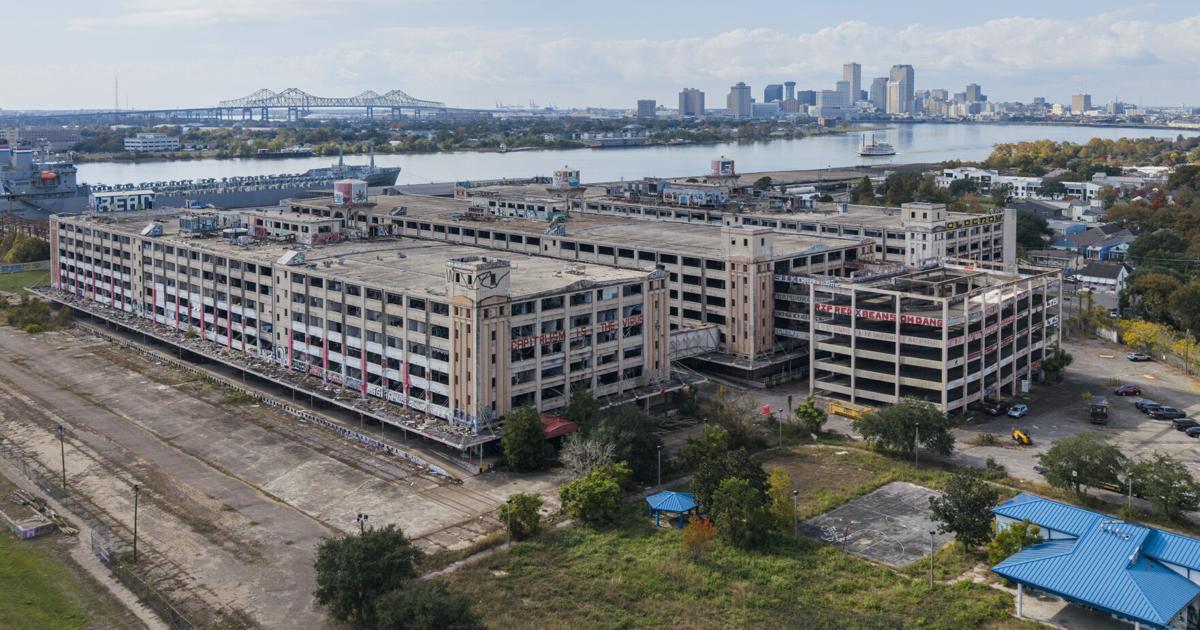
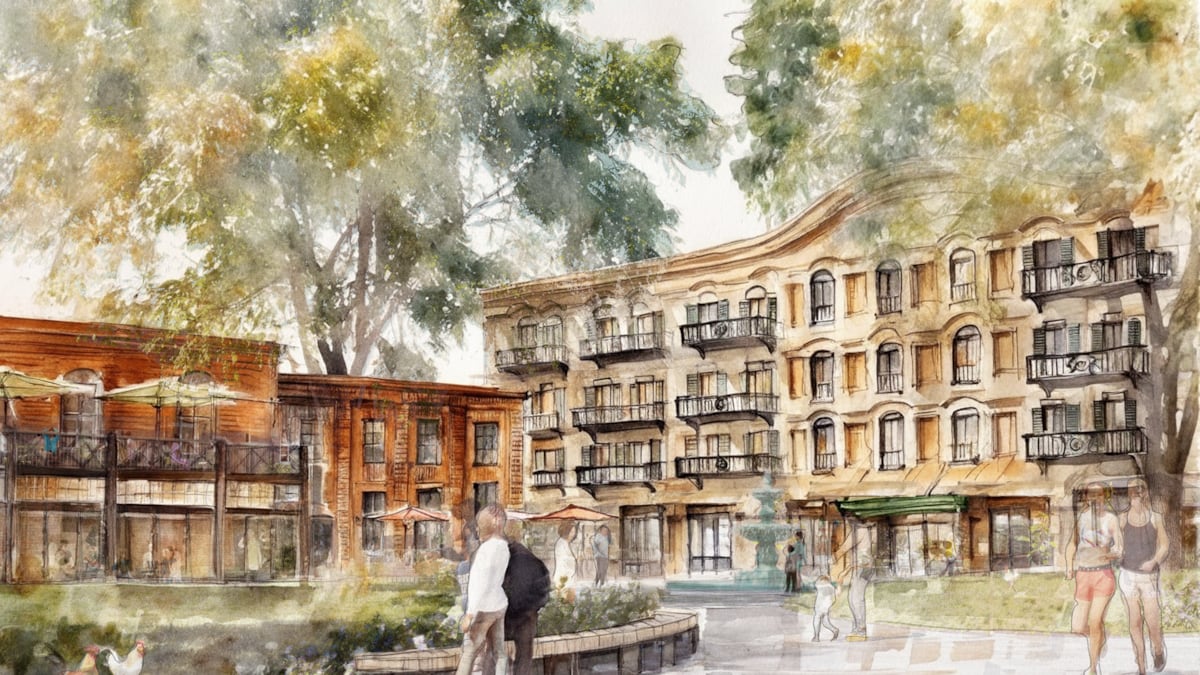
fter fifteen years of stalled plans, the former Naval Support Activity in Bywater is poised to become a mixed‑use development that will provide affordable housing and a technology hub. The first phase, called NSA East Apartments, is a $166 million project that will create 294 units for roughly 800 residents and 37,000 sq ft of retail space. Construction is slated to begin in late January, with a formal groundbreaking scheduled for the end of next month.
The phase also includes a $50 million startup incubator. Gibbs, the developer who took over after the original developer Joe Jaeger died in a car accident, has outlined a $100 million innovation center and adjacent green space for the second phase. Securing the financing package has become a test case for New Orleans’ ability to marshal public and private funds for large, publicly owned sites that include affordable housing.
Mayor‑elect Helena Moreno has pledged to partner with the private sector on the city’s undeveloped real‑estate portfolio, and the NSA East project fits that strategy. The 20‑acre site sits at Dauphine and Poland, overlooking the Mississippi. The Navy closed the facility in 2009, and the federal government transferred it to the city in 2013 with high hopes that the riverfront location would spur Bywater’s revival. Instead, the massive buildings fell into disrepair, became graffiti‑stained, and attracted squatters and crime.
John Guarnieri, president of the Bywater Neighborhood Association, has long complained that the site has become a crime hub. The original plan, secured by Jaeger in 2017, envisioned luxury, market‑rate apartments that would capitalize on the river views and proximity to downtown. Financing never materialized, and the sheer scale, historic designation, environmental issues, and economics of renovating aging military structures made a market‑rate approach unworkable. The project was restructured around affordable housing, now relying on a complex mix of tax credits and federal, state, and local subsidies. The total cost is $300 million.
Gibbs, who founded Brian Gibbs Development in 1997, contrasts NSA East with simpler projects such as the conversion of the Alden Mills knitting factory into 47 luxury apartments. NSA East required what Gibbs called “institutional choreography,” involving federal, state, and local agencies, private lenders, and specialists to convert grants and tax credits into construction capital. Private lenders bridged timing gaps and financed everything from repairs to roads and plumbing, as well as legal and accounting services.
In spring, Gibbs partnered with Lincoln Avenue Communities, a national affordable‑housing developer, to take a 50‑50 stake and lead the project once financing was secured. Federal housing officials later demanded that the third derelict building be stabilized before tenants could move into the first phase. City Council members Freddie King and Leslie Harris pushed for additional city funding to remediate the structure. Lincoln Avenue also moved the pool and cabana area to the rooftop to realize Jaeger’s vision of “affordable luxury,” prompting last‑minute revisions to architectural plans and permits.
Adding to the complexity is a $50 million deep‑tech incubator for Brooklyn‑based Newlab, focused on engineering, energy efficiency, carbon management, and port infrastructure. The incubator will be built as part of the first phase and is funded by a coalition that includes the state, the city, Shell Oil, LSU, and Greater New Orleans, Inc. Gibbs hopes the rental income from Newlab will help finance the $100 million conversion of a third building into an innovation center for companies in those fields, creating a real ecosystem.
Gibbs has also begun preliminary discussions with the Army Corps of Engineers and the Audubon Nature Institute to improve the Corps‑owned green space across from the site, known as “The End of the World.” The plan would landscape the area and link it via a green corridor to Crescent Park upriver on Chartres Street. Audubon would manage the space, and its CEO, Michael Sawaya, has expressed support if costs are covered. Gibbs says the cost would be a “rounding error” on the second‑phase price tag but could transform the area into a destination.
Jeff Schwartz, head of the city’s Office of Economic Development, says the NSA East Apartments illustrate both what is possible and why many large sites remain stalled. He has been involved since the project’s early days and is working with Gibbs on other large‑scale efforts, including the multibillion‑dollar River District. Gibbs is also a minority partner with Lincoln Avenue on a proposal to convert the vacant Plaza Tower into 325 affordable units for seniors. Schwartz points to projects like Lindy Boggs, the former Six Flags site, and others, noting that while the city owns many vacant properties, most deals are complex, require great partners, and take years to materialize.