T
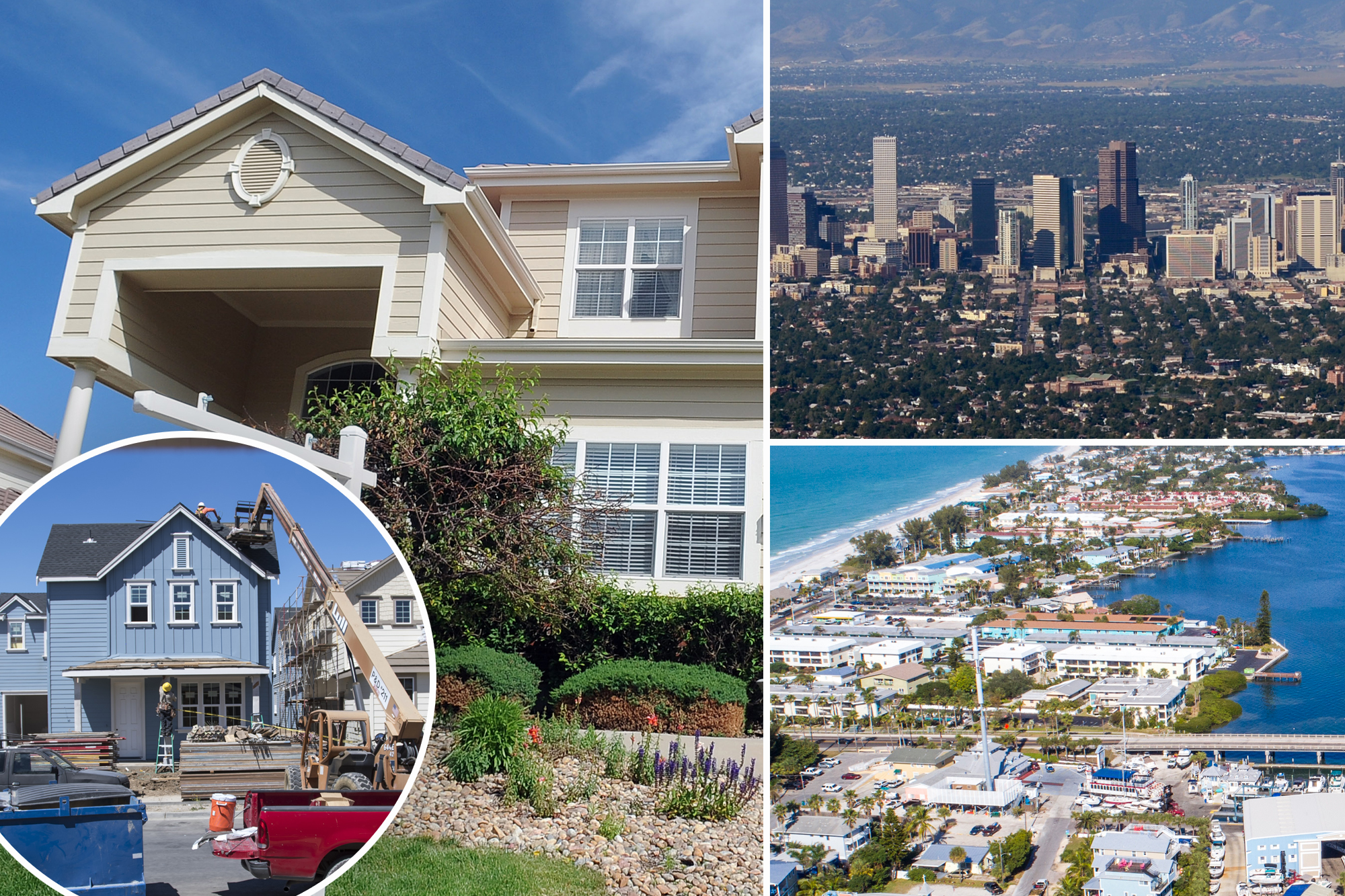
he housing market, after a decade of soaring prices, is finally showing signs of a return to balance. In several key metros, home values are slipping, offering a glimmer of relief for buyers who have struggled with affordability. A study by Realtor.com® economists examined the country’s 100 largest metropolitan areas and identified the ten that have experienced the steepest year‑over‑year drops in median home values.
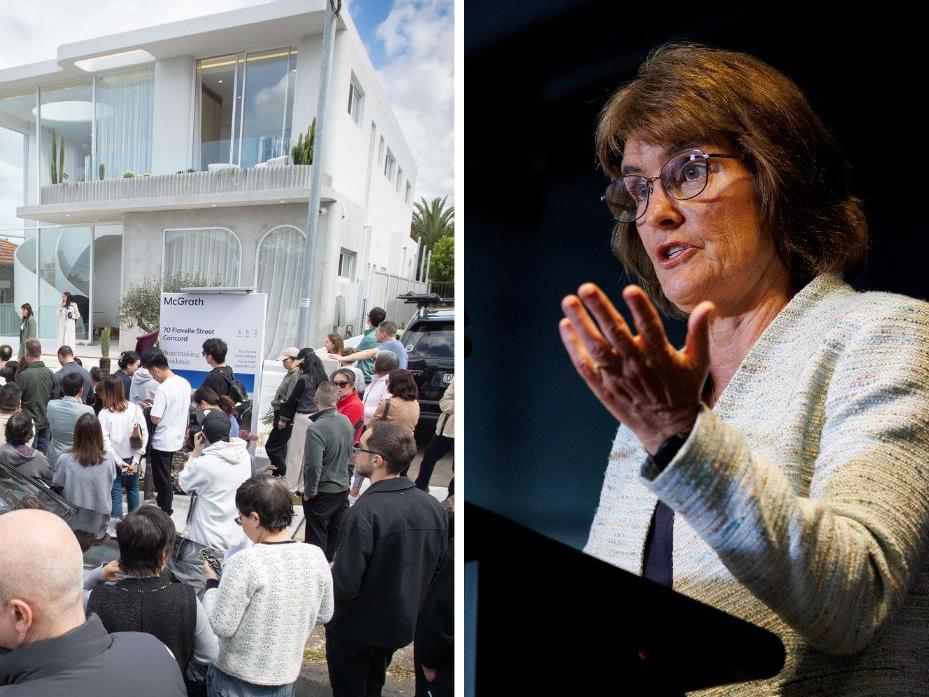
Florida dominates the list, with six of the top ten markets located in the state. Joel Berner, senior economist at Realtor.com, attributes the cooling to a surge in inventory that now outpaces demand, coupled with rising ancillary costs such as insurance, maintenance, and homeowners’ association fees. “The supply of homes for sale has outstripped demand, driving prices down,” he says.
Below are the metros that have seen the greatest losses, along with their median listing prices, percentage changes, and dollar amounts. Key insights from local experts illustrate why these markets are cooling.
| Rank | Metro | Median Listing Price | YoY Value Change | Dollar Change | Key Insight |
|------|-------|----------------------|------------------|---------------|-------------|
| 1 | North Port–Bradenton–Sarasota, FL | $478,800 | –8.6 % | –$36,423 | Sarasota’s pandemic‑era price surge was unsustainable. Higher rates and slower demand are pulling prices back. |
| 2 | Cape Coral–Fort Myers, FL | $399,900 | –7.9 % | –$29,393 | Many pandemic‑era movers returned to offices, leaving homes unsold as rates stay high. |
| 3 | Austin–Round Rock–San Marcos, TX | $479,000 | –6.1 % | –$26,970 | New construction flooded the market; existing‑home inventory has rebounded, pushing supply above demand. |
| 4 | Lakeland–Winter Haven, FL | $339,900 | –4.4 % | –$13,614 | Cash buyers see motivated sellers offering discounts to avoid holding costs amid rising financing costs. |
| 5 | Stockton–Lodi, CA | $586,900 | –4.4 % | –$22,164 | The California metro no longer faces a housing shortage, easing upward price pressure. |
| 6 | Deltona–Daytona Beach–Ormond Beach, FL | $384,000 | –4.4 % | –$14,351 | Rising insurance premiums and HOA fees are making condos difficult to sell; some buyers lose loan approval after contract. |
| 7 | Tampa–St. Petersburg–Clearwater, FL | $400,000 | –4.2 % | –$14,707 | Florida’s fastest growth during the pandemic is now correcting, balancing the market. |
| 8 | Jacksonville, FL | $389,000 | –3.3 % | –$11,376 | New construction offers incentives that resale homes cannot match, intensifying competition. |
| 9 | Denver–Aurora–Centennial, CO | $579,000 | –3.3 % | –$18,261 | Inventory has surged relative to pre‑pandemic levels, giving buyers leverage; rising HOA and insurance costs are also pulling prices down. |
| 10 | San Francisco–Oakland–Fremont, CA | $915,000 | –3.1 % | –$30,336 | Inventory has rebounded to levels above pre‑pandemic, applying downward pressure on prices. |
**Why the shift matters**
- **Affordability gains**: The decline in median prices, especially in high‑cost metros, could make homeownership more attainable for first‑time buyers.
- **Supply‑demand balance**: In many markets, the influx of new listings has tipped the scale toward sellers, forcing prices to adjust.
- **Cost of ownership**: Rising insurance, maintenance, and HOA fees are eroding the appeal of certain properties, particularly condos in Florida.
- **Interest rates**: Higher rates have dampened demand, accelerating the correction in overheated markets.
**Expert perspectives**
- **Joel Berner** notes that Florida’s market cooling is driven by inventory growth and high ancillary costs, while California’s markets have shed the scarcity that once kept prices high.
- **Ron Myers** highlights that the pandemic’s rapid price escalation in Sarasota and other Florida areas was not sustainable; the current correction reflects a return to equilibrium.
- **Katrina Allison** points out that many pandemic‑era movers left Florida as remote work declined, leaving homes unsold amid persistent high rates.
- **Andrew Fortune** explains Denver’s price drop as a result of a sudden inventory surge, especially in luxury and suburban segments, giving buyers more bargaining power.
- **Kati Spaniak** observes that Jacksonville’s new construction boom offers incentives that resale homes cannot match, intensifying competition and driving down prices.
**Bottom line**
The housing market is no longer in a perpetual growth phase. With inventory surging in several metros and rising costs of ownership, prices are adjusting to more realistic levels. For buyers who have been priced out, the cooling trend may finally open doors to homeownership.