S
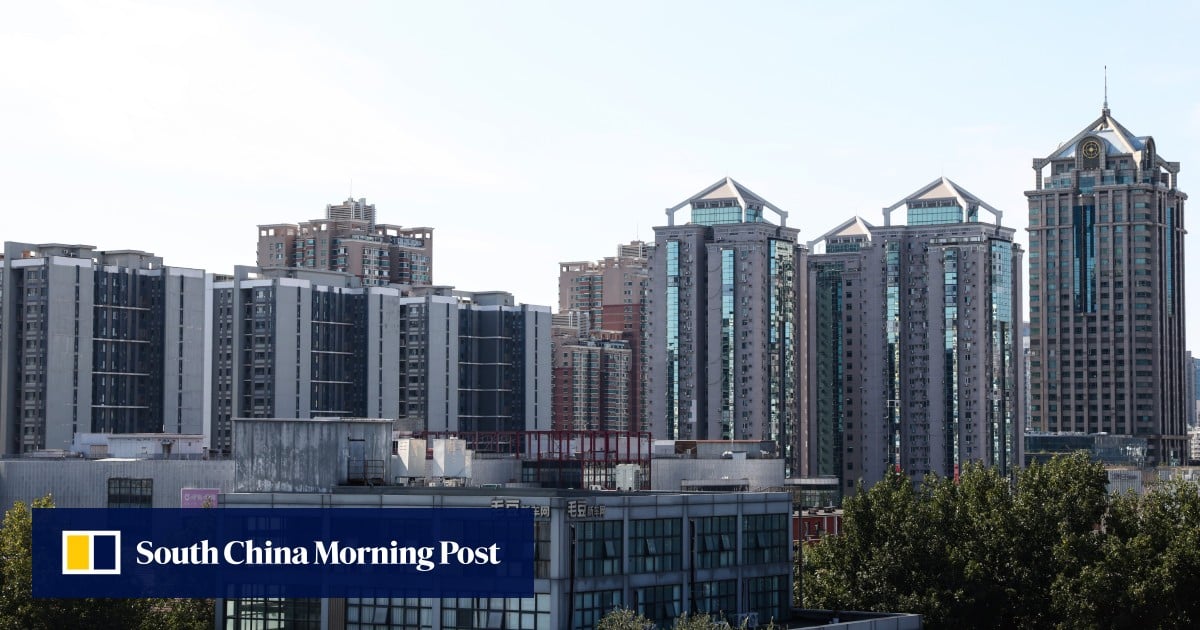
ince 2020, Guangdong manufacturing veteran Li Jiang has been liquidating his real‑estate holdings, a decision that surprised many acquaintances. For years, property was the cornerstone of wealth preservation and succession for China’s families. At his zenith, Li owned seven properties—from downtown condominiums to upscale suburban villas—intended for both retirement security and legacy transfer. Today he keeps only two: one for personal use and another earmarked for his son’s return from overseas studies. “Real‑estate feels risky; one solid asset suffices for a comfortable retirement,” he says in his sixties. He has shifted capital into life and medical insurance and urged his son to invest in trusts focused on emerging sectors. This perspective echoes a broader trend among China’s wealthy individuals. Hurun Research surveys reveal a systematic move away from property toward insurance, gold, foreign assets, driven by liquidity worries, falling housing yields, an ageing demographic. The resulting portfolio shift is poised to reshape retirement and investment landscape.