A
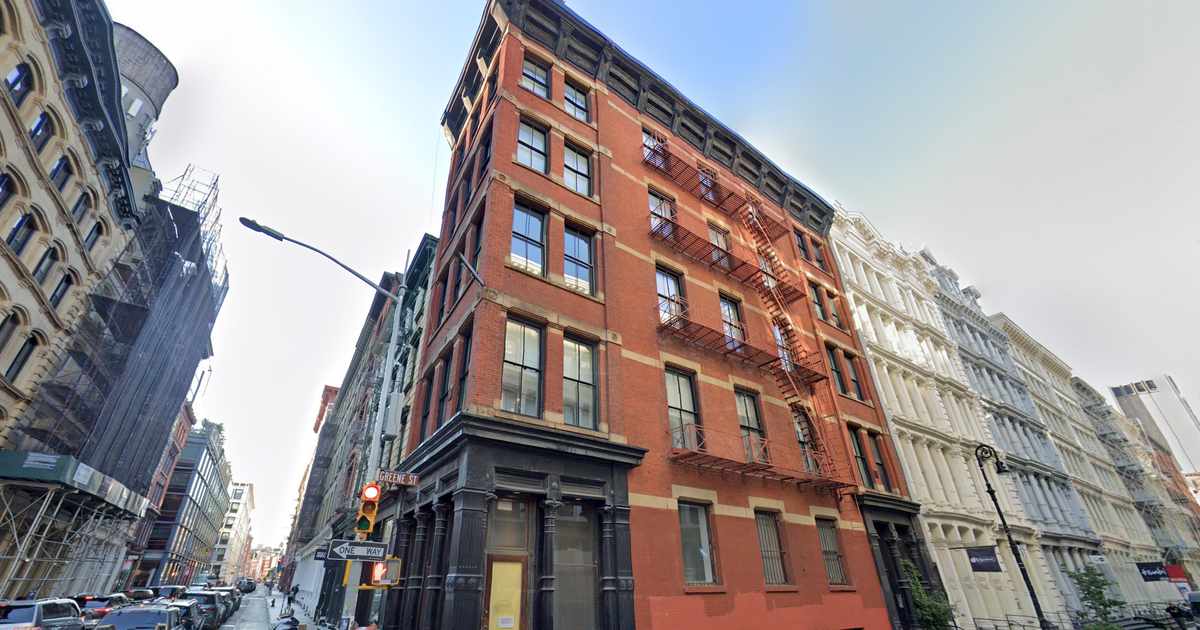
lexander Riguardi moved into the third floor of 36 Greene Street in December 2020, paying $7,250 a month for the entire level of the five‑story brick building at the corner of Grand Street. The loft boasts a private elevator, floor‑to‑ceiling windows, a newly renovated kitchen, and sits on a quiet Soho intersection that still offers easy access to the city’s hotspots. The deal could net Riguardi roughly $4 million in the long run.
Riguardi, a commercial‑real‑estate broker with JLL, is the son of the firm’s New York chairman and president. His story—an ambitious young broker who once launched a short‑lived app to ferry intoxicated Hamptonites home—has become a case study in how the city’s Loft Law can work in favor of the unexpected beneficiary.
The building’s owners, architects Antonio Morello and Donato Savoie, along with artist Ted Victoria, bought the property in 1977 for $75,000 and largely lived there themselves. When Riguardi applied for the lease at age 24, the owners required his father to act as guarantor. That decision proved costly. In an attempt to sell the building tenant‑free for an estimated $15 million, the owners tried to terminate the lease. Riguardi turned to the New York City Loft Board for protection.
The Loft Law, enacted in 1982 to preserve artist lofts as livable spaces, is often associated with eccentric creatives, but it also protects savvy commercial brokers who time their moves right. The legislation has kept generations of artists in gentrifying neighborhoods and, on occasion, benefited affluent individuals like Riguardi, who could see his rent cut to under $600 a month and receive a refund of over $400,000 in rent already paid.
The owners’ failure to secure a residential certificate of occupancy over the years, coupled with a 2007 fine for violating the Multiple Dwelling Law, left them vulnerable. They are contesting Riguardi’s application, but the Loft Board is unlikely to be swayed.
Shortly after signing the lease, Riguardi purchased a $1.65 million home in East Hampton, complete with a heated saltwater pool and a three‑car garage. If the landlords succeed in evicting him, he has that property as a fallback; if he gains protected status, he stands to add a substantial extension to his portfolio.
In short, Alexander Riguardi’s move to 36 Greene Street illustrates how a combination of timing, family ties, and city regulations can turn a modest lease into a potential multimillion‑dollar opportunity.