*
*Fed Rate Cut: A New Chapter for Suburban New York Commercial Real Estate**
After two years of aggressive tightening, the Federal Reserve’s recent rate cut has sparked relief across the commercial market. In the suburban counties of Rockland, Orange, and Westchester, the easing arrives amid a complex backdrop: inflation has eased but remains sticky in key sectors; supply chains have improved yet stay fragile; tariffs continue to reshape cost structures; and consumer sentiment swings between cautious optimism and fear of further disruption. Local owners and investors now ask whether the Fed’s pivot will truly alter the commercial market’s trajectory—or if it’s still too early to tell.
The truth lies in between. Lower rates provide a much‑needed tailwind but cannot erase the structural challenges that have accumulated over years. The next 18 months will be decisive, and by 2026 the market will reflect a mix of capital flows, tenant demand, and evolving business models.
---
### Debt Markets: Slow Recovery with Caution
From 2023 to 2025, high borrowing costs stifled transactions. Sellers held off to preserve low‑interest debt, while buyers struggled with rates above 7 %. The first rate cuts have begun to reverse this trend, but progress is gradual. Lenders remain wary, appraisals stay conservative, and banks are reluctant to add more office and retail exposure.
By mid‑2026, lower debt costs should revive investor appetite, especially among value‑add buyers waiting for cap‑rate stabilization. Suburban multifamily, industrial, and medical‑office assets are likely to see the biggest uptick. Neighborhood retail anchored by essential‑service tenants will also benefit from improved spreads.
Class B suburban office buildings will continue to face challenges. Even with lower rates, refinancing remains difficult for properties with high vacancy or deferred maintenance. This segment may drive a wave of restructurings, note sales, and repurposing through 2025‑2026.
---
### Tenant Dynamics: Migration, Resilience, and Retail
Pandemic‑driven suburban migration has moderated but not reversed. Many NYC firms maintain hybrid work models and quietly expand suburban footprints to accommodate dispersed teams. This supports modest office demand in Rockland and Westchester, especially for smaller, amenitized spaces.
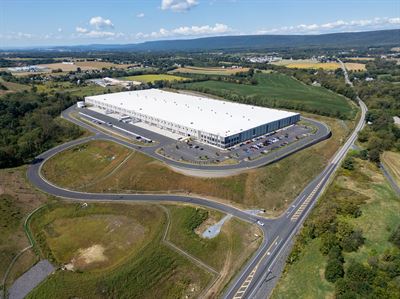
Industrial demand remains robust. While supply chains have eased, businesses prioritize resilience over just‑in‑time inventory. Tariff‑related costs push distributors and light manufacturers to optimize logistics, sustaining demand for high‑ceiling warehouses and flex space in Orange County and parts of Rockland.
Retail performance remains split. Experiential, food‑based, and wellness tenants continue to expand, while soft‑goods players tread carefully. Rising consumer prices dampen discretionary spending, and retailers with thin margins face tariff impacts and fluctuating import costs. By 2026, successful retail centers will have re‑tenanted with service‑oriented, community‑anchored users.
---
### Investment Outlook: Stability Wins
In 2026, investors will favor stability and predictable cash flow. Properties with strong credit tenants, long leases, and defensive uses—healthcare, education, government, logistics—will command premium pricing. Assets requiring repositioning will trade at deeper discounts, reflecting lingering economic uncertainty.
Institutional capital will remain selective in suburban New York. Private buyers, family offices, and regional operators will absorb available inventory. Distress opportunities will arise as owners face refinancing deadlines in 2025‑2026, offering chances for well‑capitalized buyers.
---
### Local Policy: Zoning Flexibility as a Magnet
Hudson Valley municipalities are updating zoning and land‑use frameworks to meet post‑pandemic realities. Adaptive reuse—schools, religious properties, former office campuses—is gaining traction. By 2026, communities embracing flexible zoning, streamlined approvals, and mixed‑use development will attract investment. Conversely, towns with rigid restrictions or slow approval processes may see capital shift elsewhere.
---
### 2026 Forecast: A Gradual Recalibration
With rate cuts continuing through 2025, the suburban commercial market should enter 2026 on firmer footing: improved liquidity, higher transaction velocity, and renewed lender and investor confidence. The rebound will not be uniform. Industrial, multifamily, and essential‑service retail will lead; office and older specialized assets will lag. Pricing will remain sensitive to tenant credit, operating costs, and financing availability.
Is it too early to tell? Perhaps. Yet early signals point to a slow, steady recalibration—rewarding disciplined underwriting, long‑term planning, and an understanding that suburban commercial real estate is entering a new cycle, not returning to the old one.
*Paul Adler, Chief Strategy Officer, Rand Commercial*