W
ith winter’s chill settling in, a snowblower can become your most reliable ally. Unlike shoveling, it cuts effort and lowers the risk of back, shoulder, or heart strain. Yet its longevity hinges on proper storage, ensuring it’s ready whenever the next storm hits.
**Why a snowblower saves time and protects health**
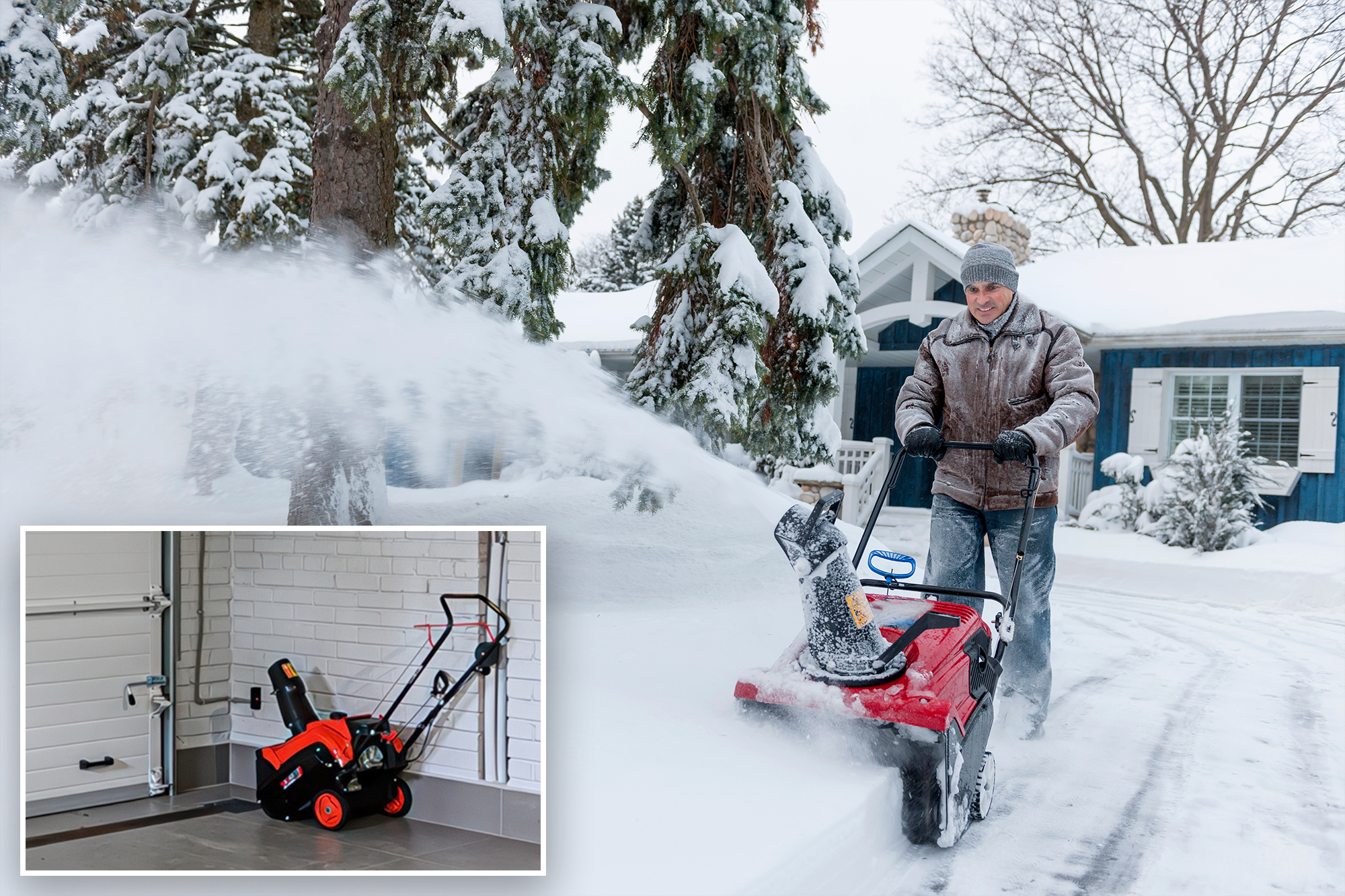
After heavy snowfalls, many people rush to clear driveways by hand, exposing themselves to slips and joint fatigue. A snowblower, as Albert Bou Fadel of SmartBarrel notes, clears paths faster and more safely, reducing slips and easing the load on your body. The machine’s auger lifts and throws snow, either forward or to the side, depending on the model. The effort of pushing a snowblower is far less taxing than lifting heavy snow with a shovel, making it invaluable for large driveways or frequent snowfall.
**Storing your snowblower for winter readiness**
Knowing where and how to park your unit means you can grab it instantly after a storm, avoiding cold‑related fuel or mechanical problems. Below are tailored tips for the most common types.
*Gas‑powered snowblowers*
Keep them in a dry, ventilated space—garage or shed—to prevent snow from melting and refreezing on the machine. Fill the fuel tank to reduce condensation and use fresh gasoline at the start of the season; adding a stabilizer helps with cold starts. After each run, let the engine idle a minute to melt residual snow, then brush away debris from the chute, auger, and controls to keep them from freezing.
*Corded electric snowblowers*
Wrap the extension cord neatly and keep it off the floor to avoid damage or freezing. If stored in a heated garage, watch for meltwater on the floor; placing the unit on a towel or mat captures excess water and simplifies cleanup.
*Battery‑powered units*
Cold temperatures can severely cut battery life. Store the battery indoors between uses and charge it in a warm environment to maintain performance. Even in a heated garage, monitor for meltwater and use a mat to absorb it.
By following these storage guidelines, you protect your snowblower from moisture, fuel degradation, and mechanical wear, ensuring it remains efficient and safe throughout the winter.