M
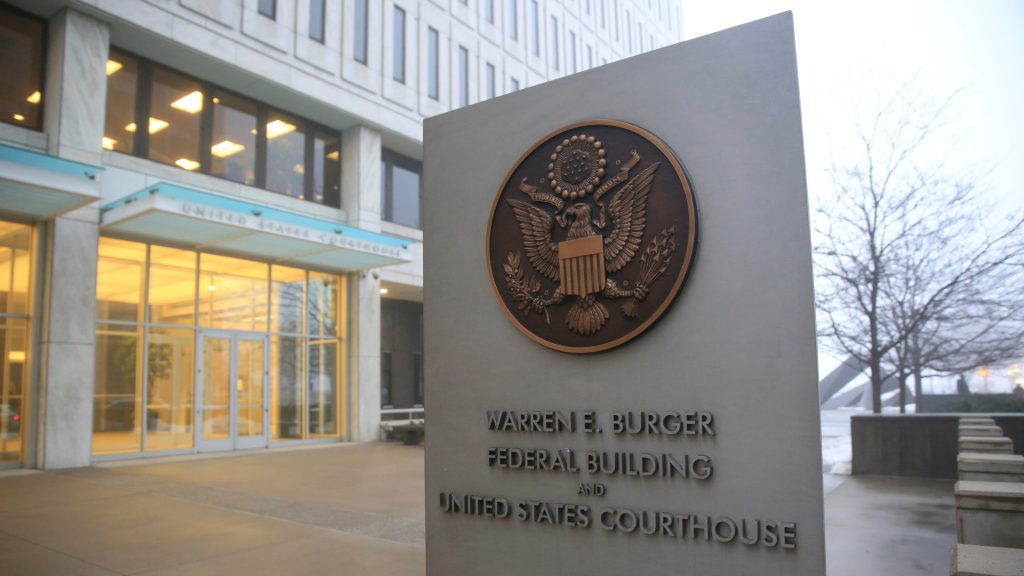
atthew Onofrio, a former Mayo Clinic nurse anesthetist who built a reputation as a commercial‑real‑estate investment guru, was sentenced to three years in federal prison and ordered to pay $5.39 million in restitution to a Bloomington bank. Judge Susan Richard Nelson, in her ruling, called him the “ringleader and architect” of a large bank‑fraud scheme, warning other would‑be fraudsters that get‑rich‑quick plans are futile. The sentence begins on Feb. 10.
Onofrio’s lawyer, Marsh Halberg, sought only a year of home confinement, while the government demanded six years. Prosecutors noted that the typical sentence for similar offenses is about five years. Onofrio pleaded guilty on July 10 to one count of bank fraud tied to a St. Cloud property; he was first indicted on Nov. 17, 2022.
The case, which prosecutors described as involving $420 million in fraudulently obtained loans for 68 commercial‑real‑estate deals over roughly two years, culminated in the seizure of a $35 million Premier Bank account in Rochester. Although none of the properties named in the 2022 indictment were in Olmsted County, Onofrio had been active in buying and selling large properties in Rochester.
A related case saw 82‑year‑old Rochester realtor Merl Groteboer receive one year of probation and a $10 000 fine after pleading guilty to making false statements to an FBI agent during a voluntary interview in 2023, part of the same investigation.
Prosecutors alleged that Onofrio ran a “guaranteed‑rich” investment system. He would locate undervalued commercial properties, secure purchase agreements that allowed him to buy later at a set price, and then sell those agreements to investors at a premium, profiting handsomely. He failed to disclose the agreements to buyers.
To attract inexperienced investors, Onofrio promoted himself on professional networking sites, YouTube, and the popular podcast “Bigger Pockets,” building a reputation as a real‑estate savant. Many of his investors lacked the 30 % down‑payment banks require for commercial loans. He conspired with them to misrepresent creditworthiness, forging financial statements, wiring temporary funds to create the illusion of sufficient cash, and telling banks the money was “family money.” Occasionally he loaned the money himself but concealed it from lenders.
While the judge and prosecutors branded him a ringleader and fraudster, his attorney portrayed him as a remorseful, home‑schooled former missionary, devoted Christian who had otherwise led a law‑abiding life, save for the 14‑month period of criminal conduct. Thirty letters of support from family, friends, and his church were sent to the judge seeking leniency.