L
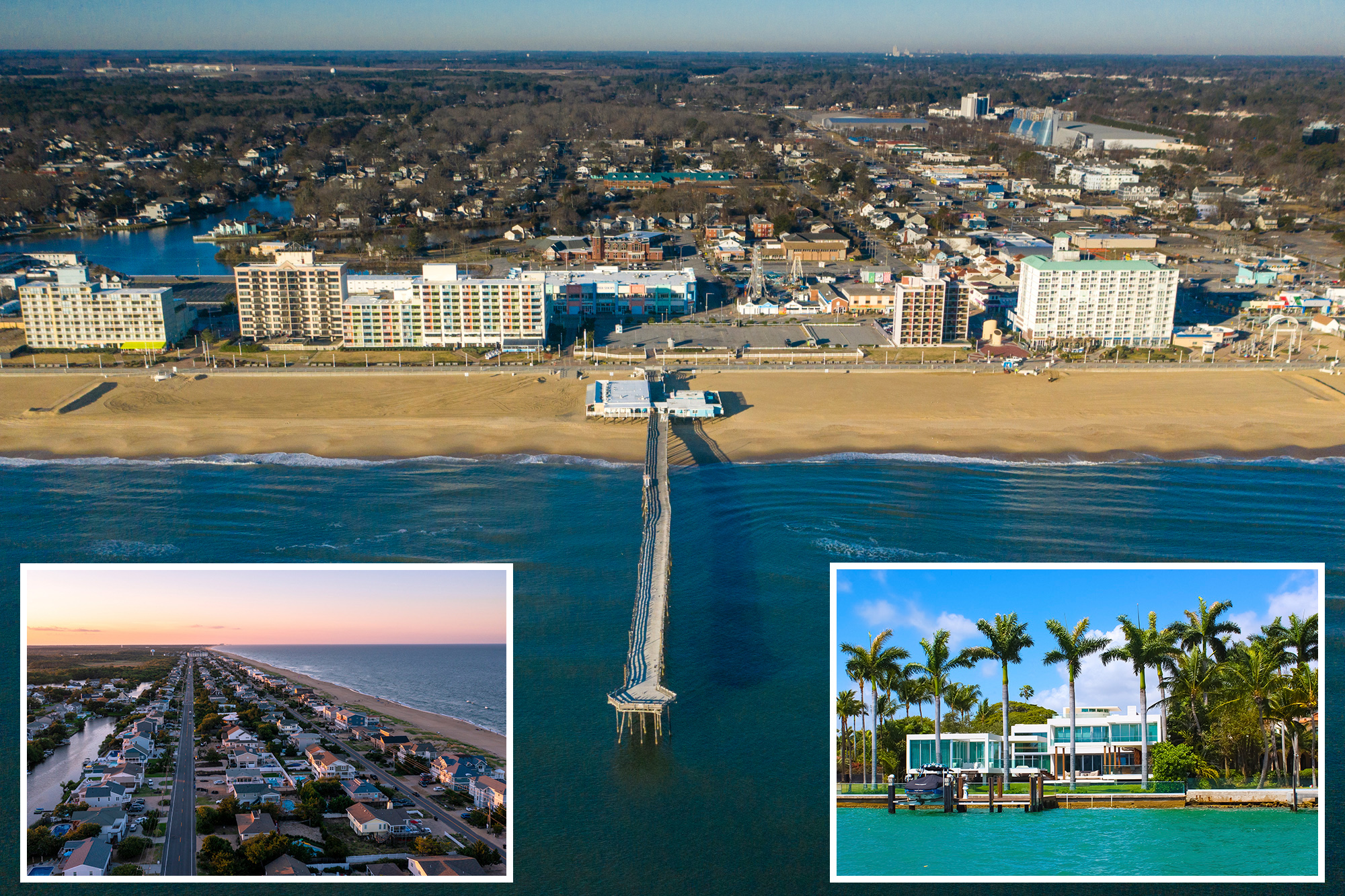
ong Island’s housing market remains a powerhouse amid a national slowdown. Demand stays high, prices hold steady, and inventory is scarce, driving record sales volumes in October. Buyers are drawn by top schools, lively downtowns, beaches, and a short commute to New York City, keeping the region among the country’s most coveted.
This resilience coincides with seismic shifts in the local real‑estate ecosystem. Brokerage consolidation is accelerating: Compass and Anywhere’s planned merger would give the duo nearly 40 % of the national market, reshaping listings, marketing platforms, commission structures, and technology adoption. As larger firms chase data control, the traditional MLS model may give way to exclusive arrangements. The number of licensed agents on Long Island is falling, creating both challenges and openings. Seasoned professionals who master pricing, negotiation, and client service can capture greater market share, while those clinging to outdated practices risk obsolescence.
Artificial intelligence is now embedded in every facet of the business. AI tools predict pricing trends, identify qualified buyers, and streamline communication, turning data into actionable insights. Brokerages use these systems to enhance marketing, generate leads, and improve operational efficiency. AI is no longer optional; it is essential for staying competitive.
Yet the human element remains irreplaceable. Buying or selling a home is deeply personal, and clients value empathy, trust, and local knowledge. The most successful agents blend cutting‑edge technology with authentic, community‑focused service. On Long Island, real‑estate professionals are more than salespeople; they are neighbors, volunteers, and civic leaders. Firms that actively support nonprofits, charities, and local initiatives earn respect and drive business growth. A culture of giving back strengthens the region and fuels long‑term success.
With interest rates easing and economic confidence rising, Long Island’s fundamentals—limited inventory, steady demand, and an attractive lifestyle—position the market for continued prosperity. The coming year will bring change, but also opportunity. Those who adapt, innovate, and prioritize people and community will steer the next chapter of growth in Long Island real estate.