A
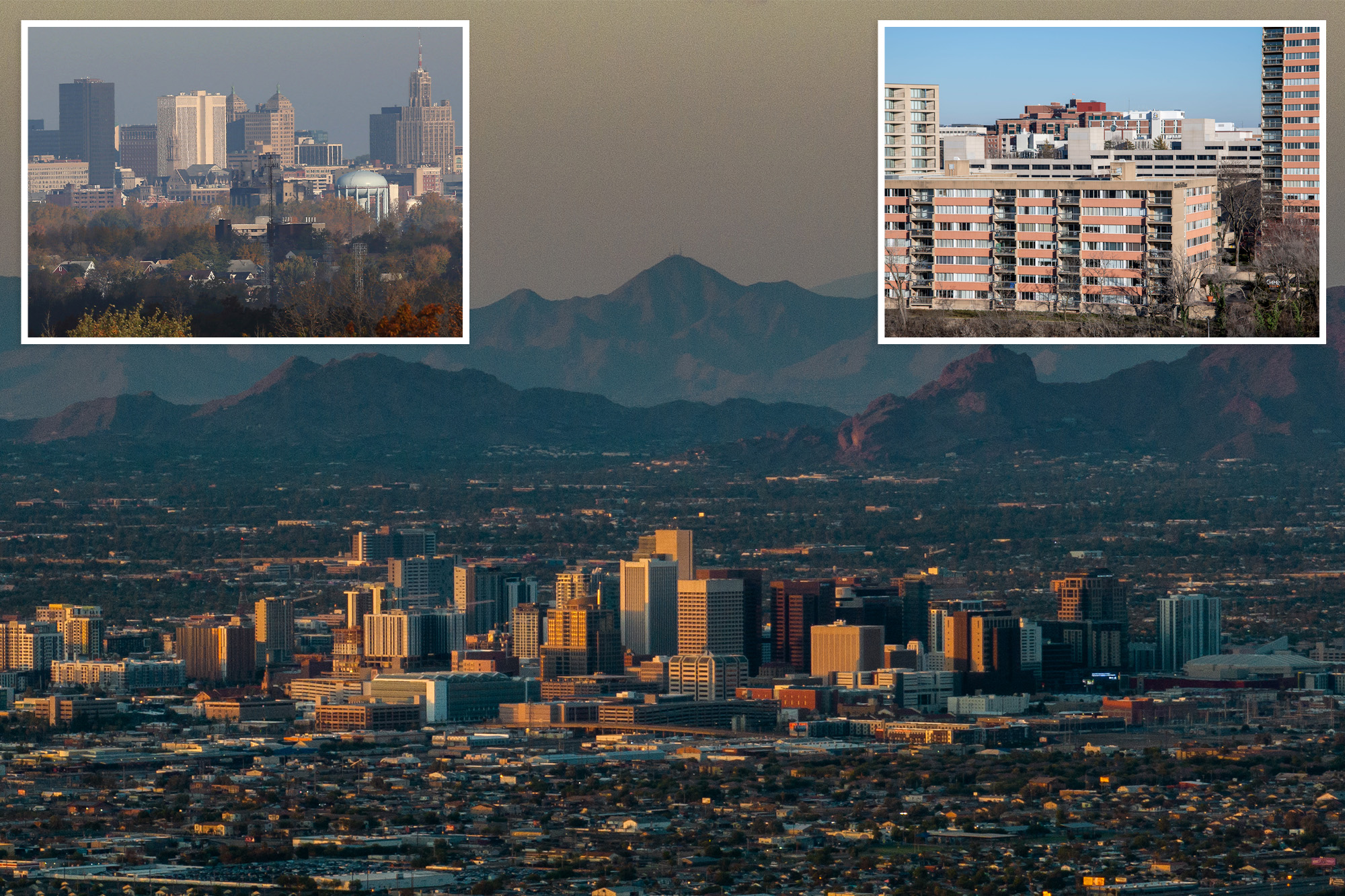
cross the United States, rental costs have eased slightly but remain well above pre‑pandemic levels. For workers earning the federal minimum wage of $7.25 an hour, only five of the 50 largest metropolitan areas can support a two‑person household on a 40‑hour week without overtime. Those metros are Buffalo, Rochester, St. Louis, Phoenix, and Kansas City. In each, the median rent is low enough that a couple earning the local minimum wage would need to work roughly 30–40 hours per week to cover housing, assuming no more than 30 % of income goes to rent.
In Buffalo, a pair earning $15.50 an hour would work 30 hours a week for a $1,176 studio, 50 % below the national median. Rochester, with the same wage, requires 35 hours for a $1,339 unit. St. Louis needs 38 hours at $13.75 for a $1,305 two‑bedroom. Phoenix, where the minimum wage is $14.70, demands 39 hours for a $1,445 apartment. Kansas City, with a $13.75 minimum, requires a full 40‑hour week for a $1,387 rental.
Realtor.com senior economist Joel Berner notes that a state’s minimum wage above the federal level is the most important factor for affordability, yet even in high‑wage states like California, rents can still be prohibitive. The five metros above combine a relatively high local wage with low rent, giving low‑income residents more mobility and encouraging competition among landlords, which can improve maintenance.
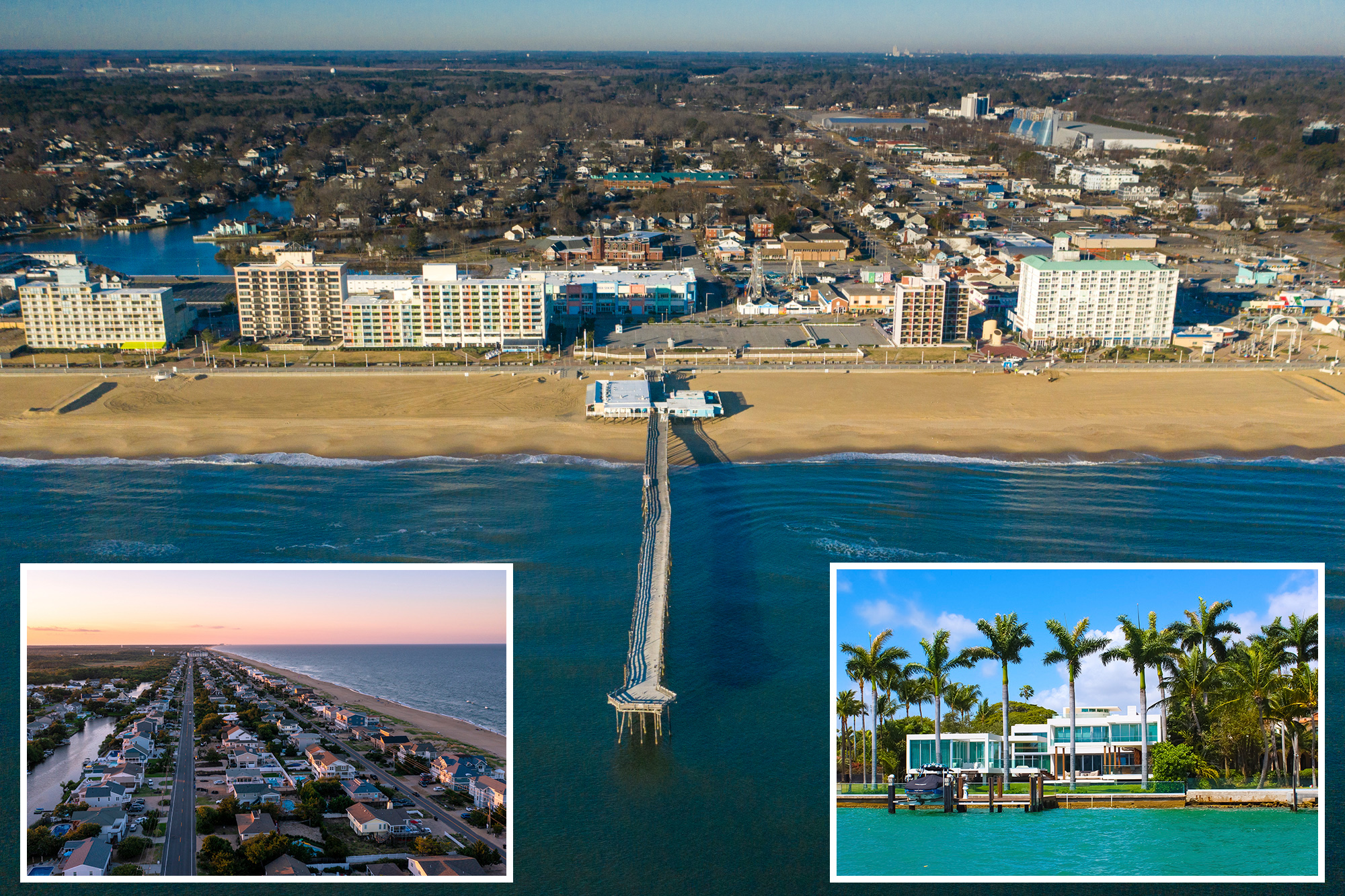
Looking ahead, Michigan’s hourly minimum wage will rise from $10.56 to $13.73 in 2026, and Florida’s will increase from $13 to $15. These changes will add Detroit and Jacksonville to the list of affordable metros. In Detroit, a two‑person household would need 39 hours to afford a $1,327 rental—12 hours less than today. In Jacksonville, the same 39‑hour requirement would cover a $1,457 unit, six hours fewer than in 2025.
Despite these gains, 43 of the 50 largest metros still leave median rents out of reach for minimum‑wage couples. In Philadelphia, a household would need to work 96 hours a week for a $1,739 unit—the highest requirement among the top 50. In San Jose, California, workers earning the state’s $16.90 minimum would need 80 hours a week for a $3,363 apartment. Dr. David Jaffee of the University of North Florida warns that corporate landlords and rising basic costs will likely keep rents high, even with wage increases.
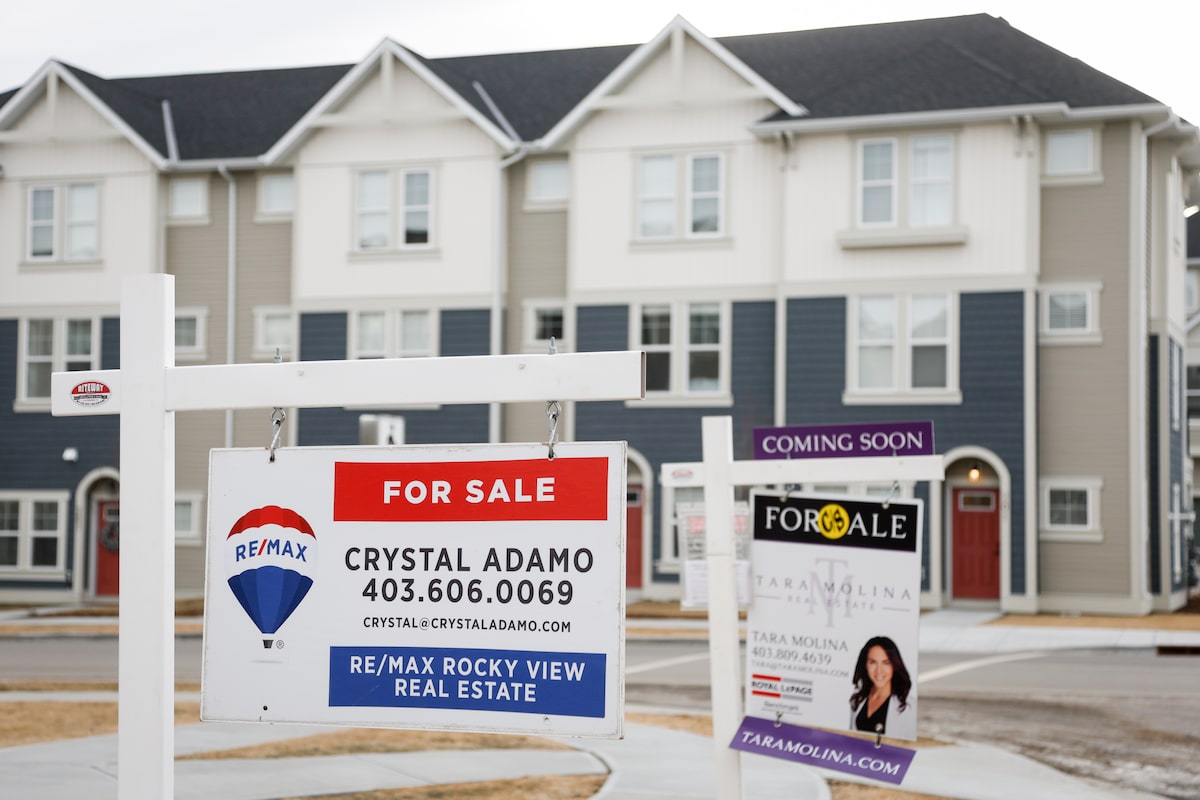
Nationally, the average rent in the top 50 metros fell to $1,693 in November 2025, a 1 % drop from a year earlier and $17 lower than the previous month. This is 17 % above pre‑pandemic levels. Rent declines vary by unit size: studios fell 0.4 %, one‑bedrooms 1 %, and two‑bedrooms 1.1 %. Berner suggests that the near‑flat growth in studio rents may signal a modest uptick in demand as more people move out of shared housing.
In summary, while a handful of metros offer a glimmer of affordability for minimum‑wage workers, the majority of large cities keep rent well beyond their reach. Upcoming wage hikes in Michigan and Florida will expand the list of affordable markets, but broader systemic changes are needed to make rental housing accessible for the working class.