2
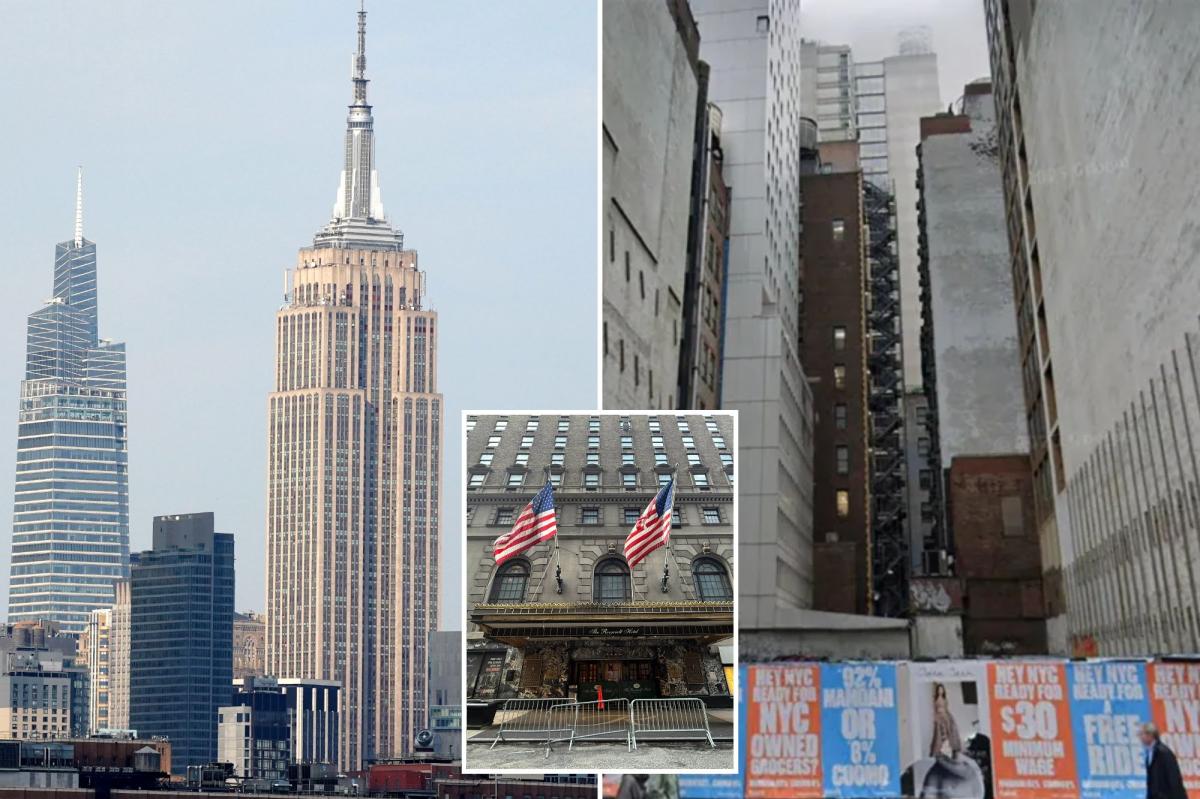
026 looks bright for Manhattan’s office market, but the picture is more complex than headline optimism suggests. Vacancy rates have fallen sharply, sublease inventory is thin, rents are climbing, and the return‑to‑office trend is stronger than in most U.S. metros. Major tenants are expanding: Jane Street Capital, Guggenheim, and Amazon are adding space; Bloomberg has extended all three of its Manhattan leases to 2040, signaling confidence. New towers at 350 Park Ave. and 343 Madison Ave. received approvals, and the first $1 billion‑plus sale in five years occurred at 590 Madison Ave. Hotels remain healthy, and accelerated conversions of older Class‑B buildings have cleared the market of many outdated assets.
Yet the city is littered with vacant parcels that could stall growth. Manhattan has more unfilled sites than London, with five empty lots on West 57th Street alone, and additional blocks on First Avenue below the UN, Midtown Park and Madison avenues, and Sixth Avenue between West 44th and 45th Streets. The 16‑acre site of Two World Trade Center remains dormant until an anchor tenant like Amex signs. Other high‑profile sites are in limbo: the 1154 Avenue of the Americas lot, the former Roosevelt Hotel (owned by Pakistan International Airlines, with JLL no longer acting as seller), the Chrysler Building (whose ground lease costs have surged, leaving Cooper Union scrambling for a developer), and the South Street Seaport area, where Howard Hughes Corp. has spun off Seaport Entertainment Group, the Tin Building is scaling back, and the adjacent 250 Water St. lot is a question mark after SEG’s sale.
Retail is also uneven. While industry surveys cite low “availability,” the reality on the ground shows many empty storefronts. The former Barneys at 660 Madison Ave. sits vacant after six years; Brooks Brothers at 195 Broadway and Printemps at 100 Wall St. open amid a sea of empty spaces. “Prime Retail for Lease” signs proliferate from Broadway on the Upper West Side to Greenwich Village and the Flatiron District, and large vacant storefronts line Fifth Avenue in the East 50s and East 42nd Street.
Environmental concerns add another layer of uncertainty. Fear of “100‑year flood” scenarios threatens to restrict access to the waterfront, the very foundation of the boroughs’ prosperity. Battery Park City’s southern section has already been altered by the redesign of Wagner Park, and sea‑wall projects are moving beyond planning stages along the river and harbor. At worst, even Coney Island’s ocean view could be lost.
In short, 2026 may bring record office sales and strong tenant activity, but a patchwork of vacant sites, stalled projects, retail vacancies, and looming environmental regulations could temper the city’s commercial real‑estate boom.