S
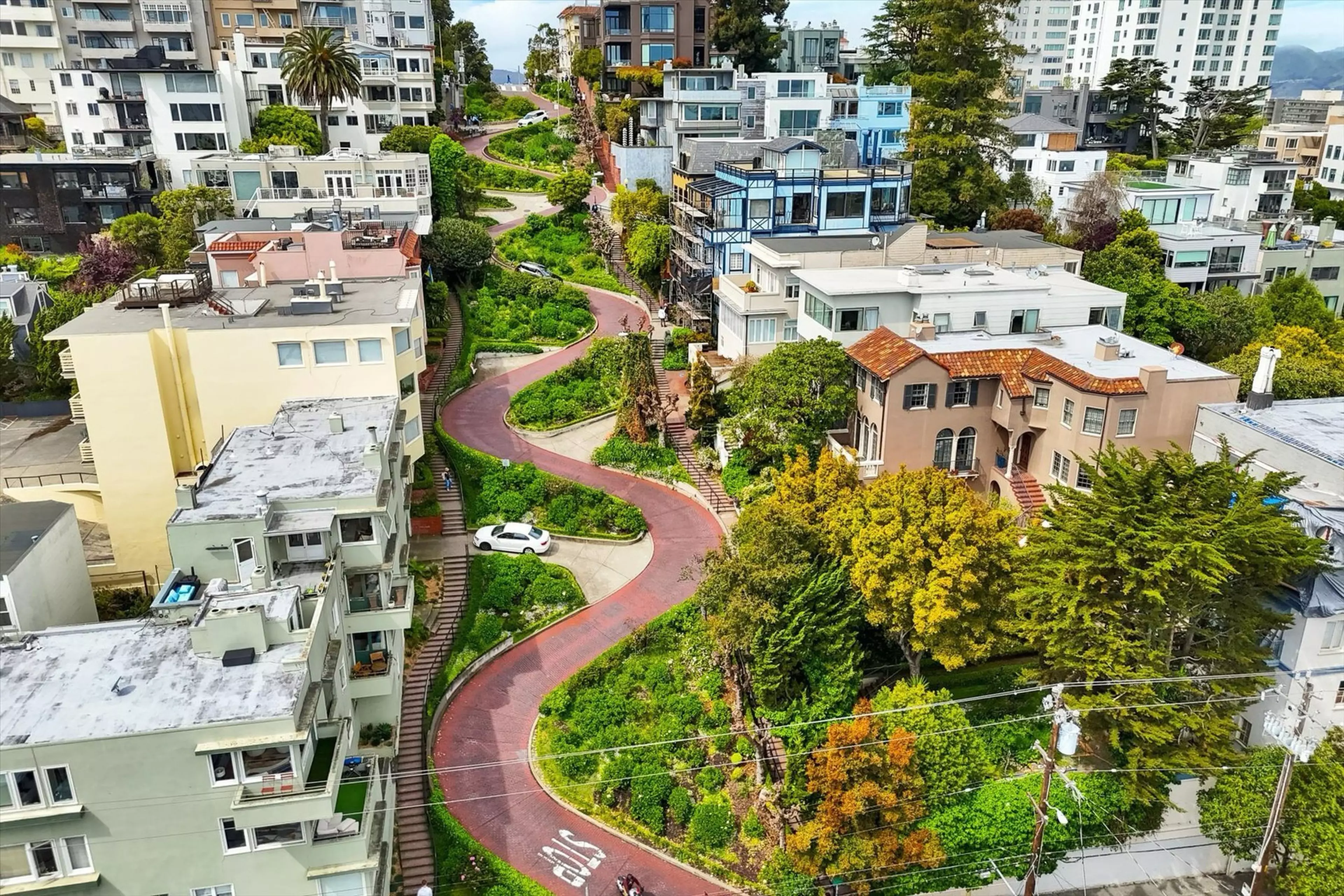
an Francisco’s housing market in 2025 was anything but predictable. After a lull, buyers returned to fixer‑ups and downtown condos, a trend that hadn’t surfaced in years. The season was oddly split: a chilly spring stalled activity, but a scorching fall, fueled by the city’s AI surge, sparked a surge in sales. By Christmas, whispers of an even busier 2026 emerged, as OpenAI, Anthropic, and Databricks were slated to go public, promising a wave of IPO‑rich buyers.
January saw a handful of headline‑making transactions, but by Groundhog Day, the threat of tariffs rattled markets and dampened confidence. The usual spring boom—where price benchmarks are set—didn’t materialize. Instead, the AI boom rekindled optimism, pushing the market past the “Trump Slump.” Late summer saw renewed interest from home seekers, yet inventory remained scarce, causing many offers to exceed asking prices and adding a frenetic edge to the fall market.
Luxury sales exploded in October. Compass reported more transactions above $5 million—primarily in Pacific Heights and Presidio Heights—than in the previous four years. The most expensive sale of the year was a $42 million off‑market deal on Billionaire’s Row, the third largest in city history. The buyer’s LLC was tied to Katie Schwab Paige, daughter of Charles Schwab, and her husband, who were upgrading from a 10,000‑sq‑ft home near Alta Plaza Park.
One neighborhood has already surpassed its pandemic‑era price peak, a trend broker Karen Mendelsohn Gould noted: “I’ve seen this pattern on the north side before. The market quiets, then suddenly surges.” This renewed confidence culminated in the record sale mentioned above.
The willingness of affluent buyers to spend over $40 million on properties that may need multimillion‑dollar renovations underscores how tech, AI, and finance are pushing the market to new heights. Compass’s Nina Hatvany recalled a client who lost a bid on a Presidio Heights home that had sat off‑market for 40 years. The property, listed this fall for under $6 million, sold for $7.3 million in weeks, illustrating the appetite for sizable fixer‑ups.
Predicting the next year is challenging. Tariff negotiations had quickly cooled a once‑promising spring, and overall prices remain below pandemic peaks. Yet, according to Compass data—measuring price appreciation, overbidding, sales speed, volume, inventory reductions, and price cuts—San Francisco remains the hottest U.S. market. Patrick Carlisle, Compass’s chief market analyst, calls it the “standout” Bay Area market, though Silicon Valley remains robust.
The current frenzy differs from past tech‑driven booms: AI’s epicenter is now in San Francisco rather than Silicon Valley. Eliminating the South Bay commute makes city living, especially on the upscale north side, far more attractive. “In the last boom, Noe Valley and Bernal Heights were hot because people needed to commute to Mountain View and Cupertino,” Gould explained. “Now, with so much happening in San Francisco—Jackson Square, for instance—residents can live on the north side and still be close to work.”