Z
illow, Redfin and Realtor.com have all released their 2026 outlooks, and the consensus is clear: the U.S. housing market will remain relatively steady, with prices staying high but not plummeting. Realtor.com calls it a “steadier” market that edges toward balance. Redfin brands 2026 the start of a “great housing reset,” forecasting a gradual rise in sales and a normalization of prices as affordability improves. Zillow expects a mild “warm‑up,” with buyers gaining a little breathing room and sellers enjoying stable demand.
For Las Vegas residents, five local dynamics could shape the 2026 market:
1. **Federal land policy**
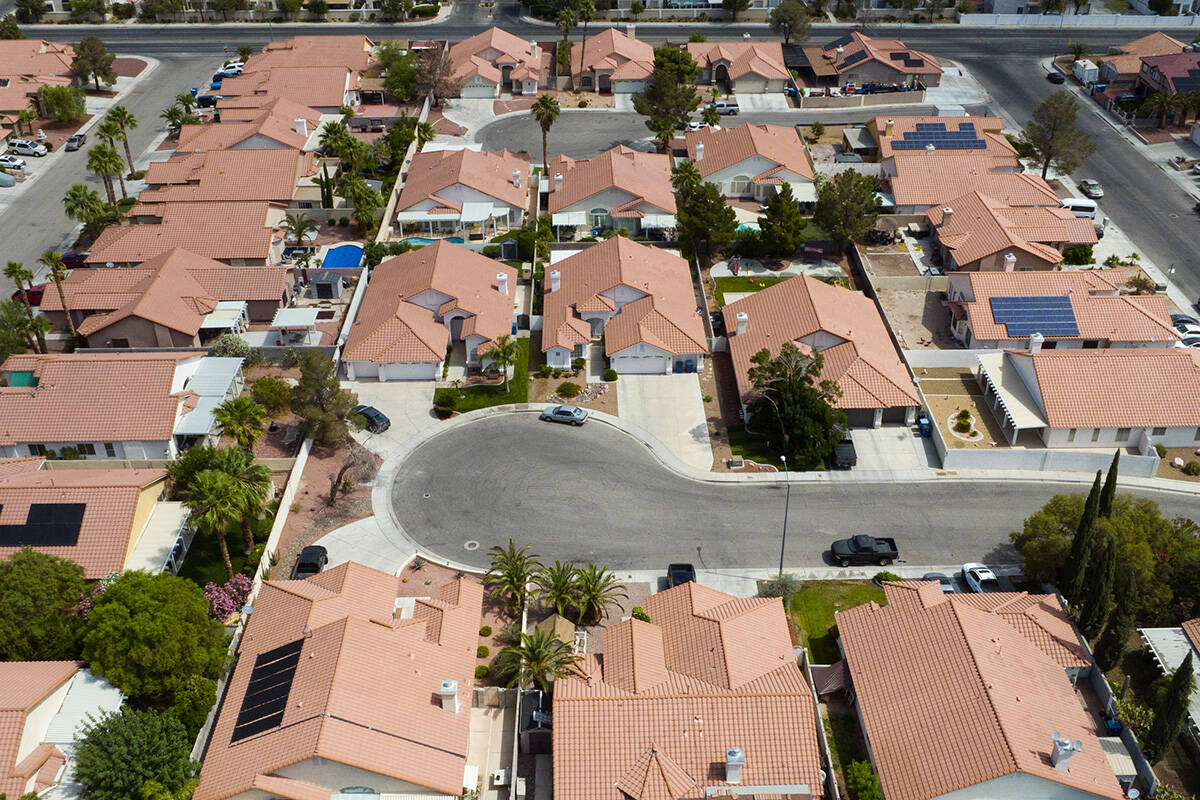
The Bureau of Land Management (BLM) controls most undeveloped Nevada acreage. The Trump administration’s deregulatory agenda and the appointment of Steve Pearce, a New Mexico Republican, signal a potential shift toward releasing federal land for private use. If the BLM opens more parcels to development or county ownership, Southern Nevada could see a surge in residential supply, altering price trajectories.
2. **Investor activity**
Recent data show a slowdown in investor purchases and a wave of property sales in the valley. Investors chase returns; when rental yields fall, they exit first, amplifying market volatility. A 2025 tourism slump that hurt Strip casinos may force investors to offload homes if rents can’t cover costs. Whether 2026 will see a mass sell‑off or a rebound hinges on the tourism recovery.
3. **Population trends**
Las Vegas has long attracted newcomers, but 2025’s immigration crackdown and border closures have dampened international arrivals. A UNLV study projects Clark County’s population will not hit 3 million until 2045, a slight dip from earlier forecasts. If the city’s growth stalls, home sales and prices could decline, and rental rates might fall as demand weakens.
4. **Mortgage rates**
Since the pandemic peak, 30‑year fixed rates have hovered above 6 percent, stifling affordability. A future Fed rate cut could lower rates, but the effect is double‑edged: lower rates boost demand and push prices higher, potentially keeping many families out of reach. Sustainable growth would require price stabilization, wage growth, and increased inventory of affordable homes.
5. **Economic recovery**
Las Vegas’s economy depends heavily on tourism and gaming. A 2025 downturn may leave the market vulnerable; a 2026 rebound could restore confidence. The outcome will influence all the factors above, from investor sentiment to population inflows.
In short, keep a close eye on federal land decisions, investor trends, demographic shifts, and mortgage rates. These elements will determine whether Las Vegas’s housing market returns to normalcy or continues to wobble in 2026.
For more details, contact Patrick Blennerhassett at [email protected].