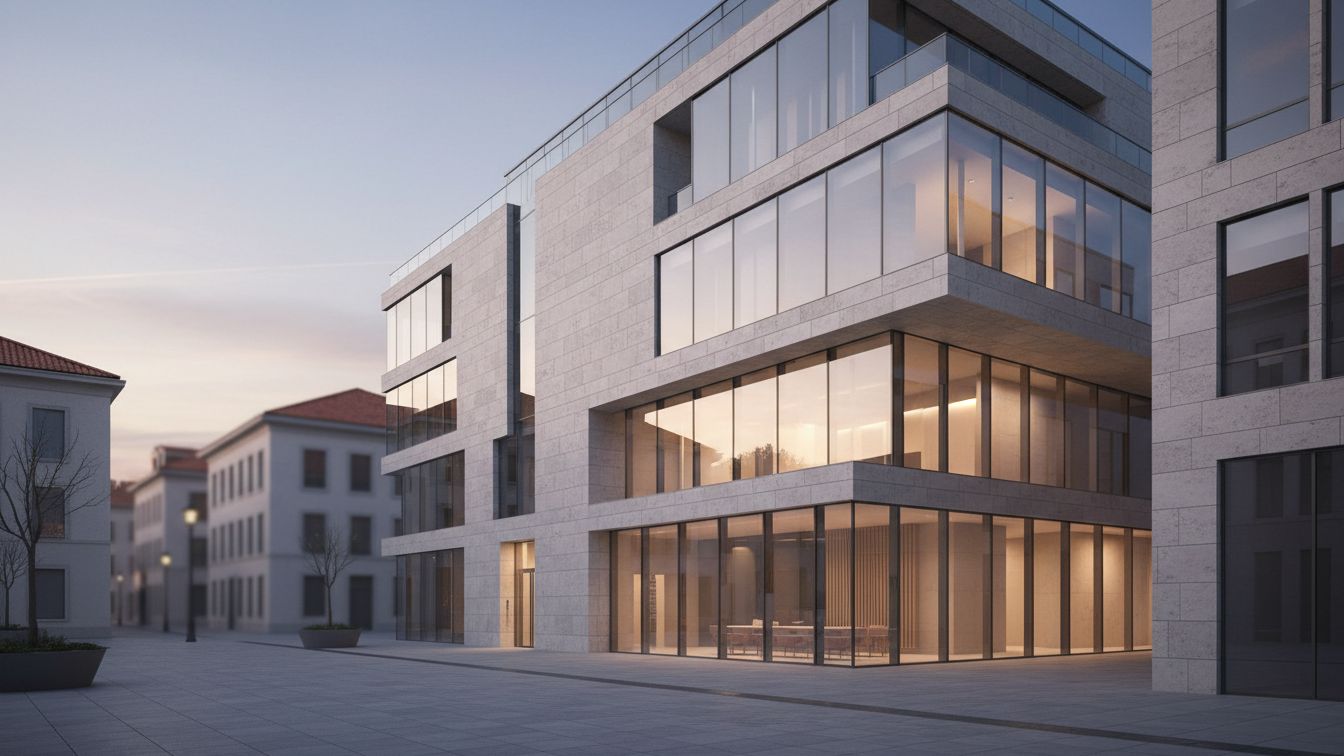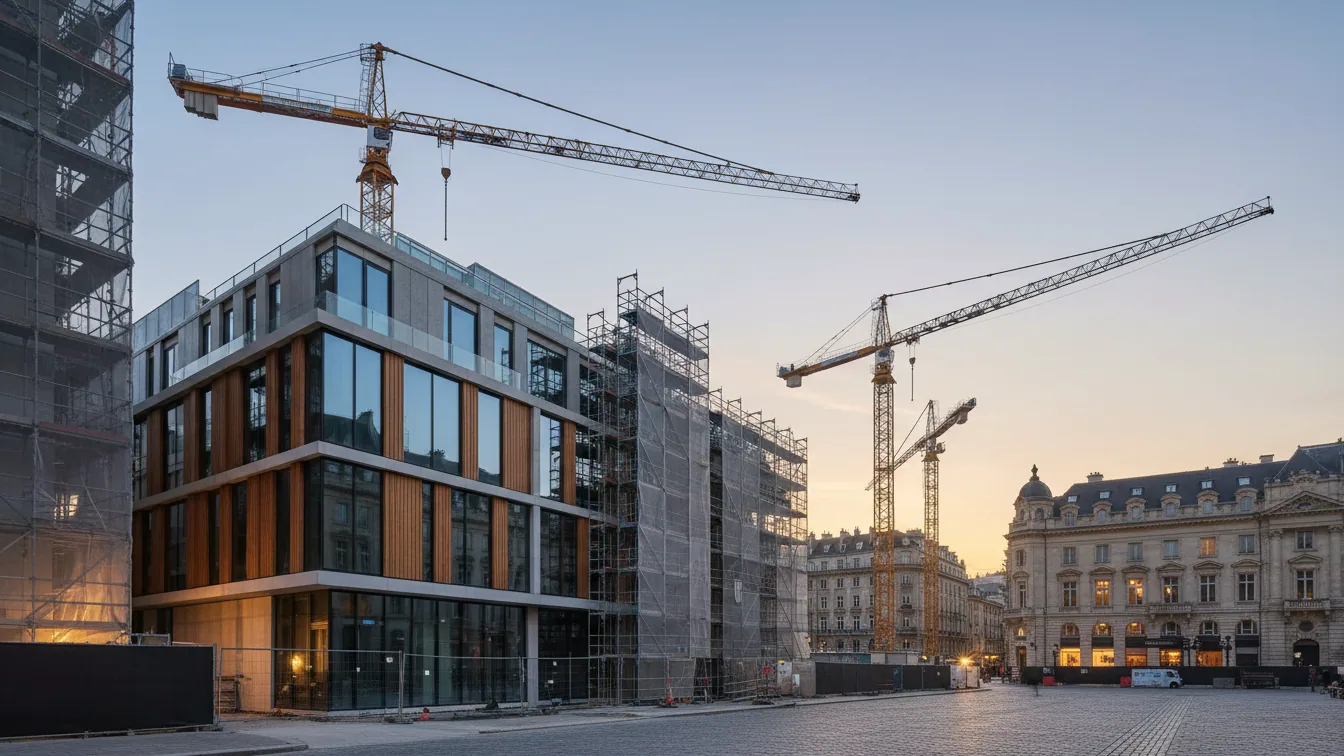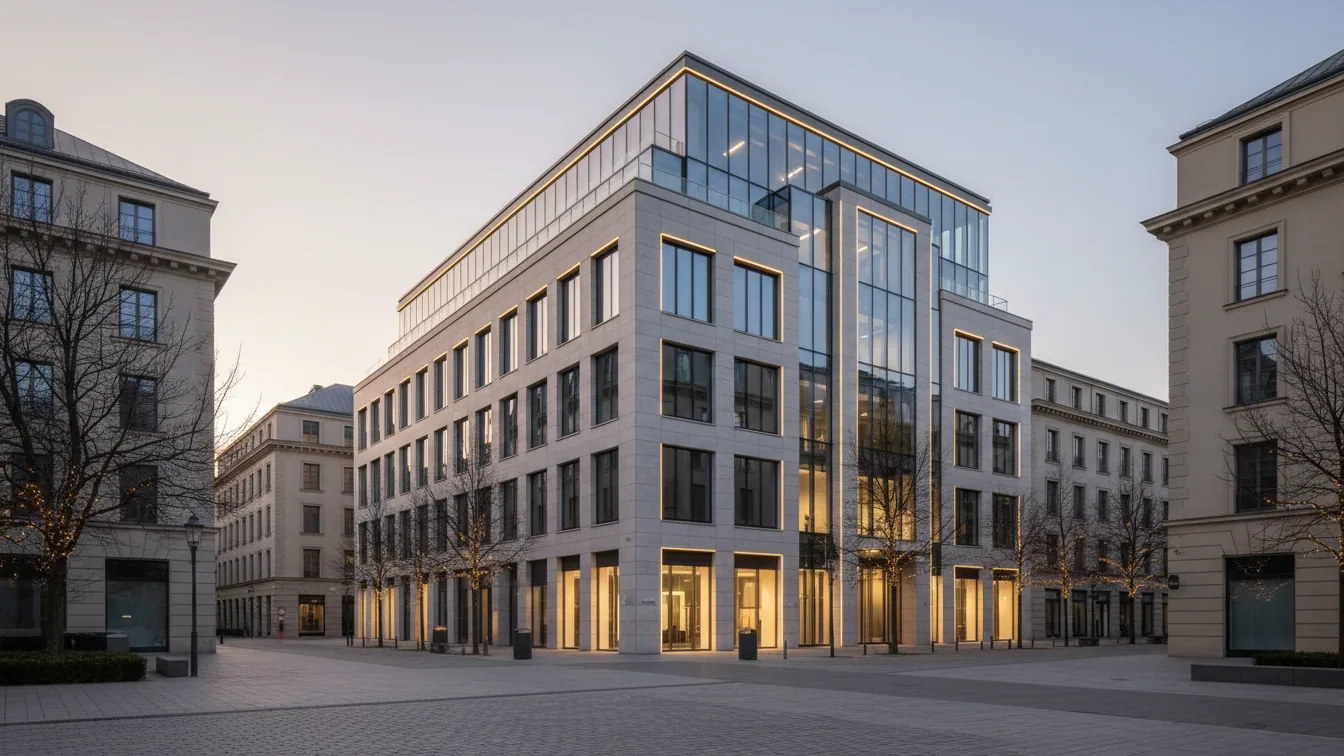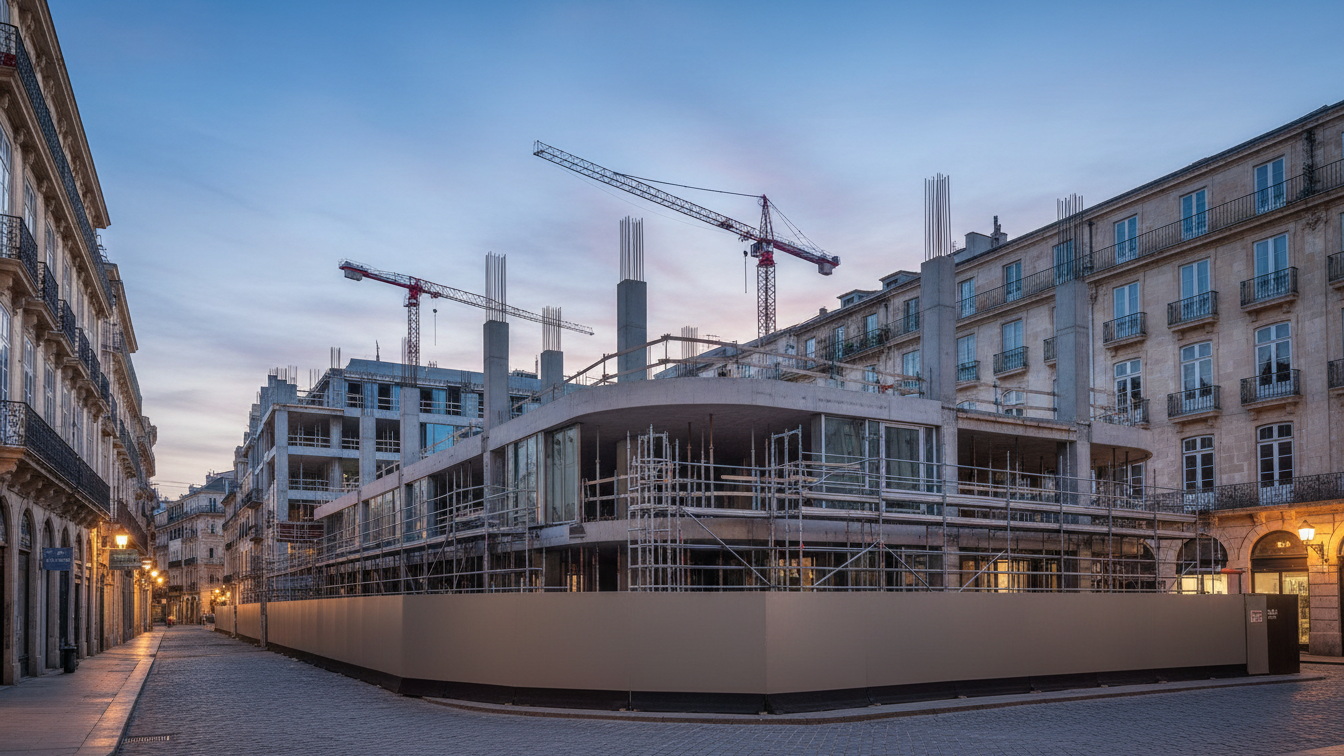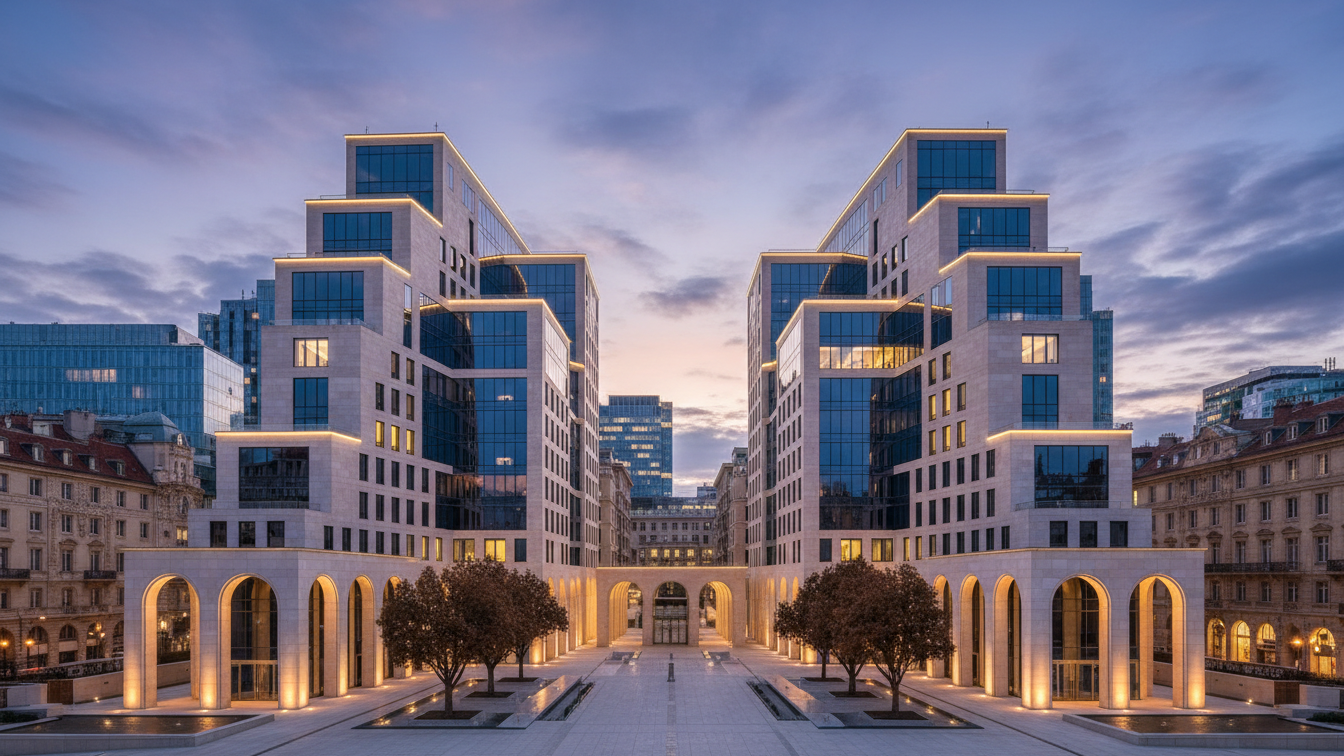
Berlin’s Potsdamer Platz, already certified with DGNB Gold in 2011 as Germany’s first urban district, has now received this award again. The current certification took place within the pilot phase of the new DGNB system specifically for existing districts. The process, which began in October 2023, was completed in September 2025. This highlights the possibility of consistently developing sustainability principles not only in new builds but also in the continuous operation of established districts.
In addition to the district certification, five individual buildings – including Potsdamer Platz 1, Potsdamer Platz 11, Haus Huth (Alte Potsdamer Straße 5), the Atrium Tower (Eichhornstraße 3) and one of the Roger Twins (Linkstraße 2) – also received the DGNB Gold award. The owner representatives and asset managers BGRE Germany are responsible for this certification of the buildings within the district.
The development of Potsdamer Platz from a wasteland destroyed by World War II and later divided by the Wall into a mixed-use urban quarter, starting in the 1990s, marks its historical significance. The German Sustainable Building Council (DGNB e.V.) first awarded the district Gold certification for new build urban districts in 2011. For the current certification under the new DGNB system for existing districts, the consulting firm Drees & Sommer SE, specialising in construction, real estate, and infrastructure, carried out the status quo analysis, pre-check, and auditing.
Holistic Sustainability Concept
The district covers a certified area of 12.7 hectares and a gross floor area of around 459,000 square metres, spread across 17 buildings. These encompass diverse uses including office, retail, gastronomy, hotel, and residential, including a listed building from 1912. Climate protection roadmaps have been established for the buildings, aiming for climate neutrality by 2045. These plans include measures to reduce energy consumption and greenhouse gas emissions, as well as to ensure efficient resource use.
Technical features of the district include rainwater management, which reuses water for irrigation and partially for toilet flushing, as well as an underground supply and disposal centre. The transformation of Alte Potsdamer Straße into a pedestrian zone has further improved the quality of stay and connectivity within the district. The DGNB award is supplemented by further assessments: In the GRESB Assessment 2025, an international benchmark for the ESG performance of real estate portfolios, Potsdamer Platz achieved 90 out of 100 points, thereby reaching the highest rating level of five stars. BGRE Germany has also committed to the Science Based Targets Initiative (SBTi) to halve Scope 1, 2, and 3 emissions respectively by 2030 in line with the 1.5-degree pathway.
Implementation of Green Leases
Since 2023, Potsdamer Platz has supplemented structural measures with Green Lease clauses in new rental agreements. These clauses stipulate that landlords and tenants jointly define measures to reduce energy and resource consumption and to improve the environmental performance of the properties. A core element is the at least annual exchange on sustainability measures, for example in the areas of energy consumption, water and waste management. The exchange of consumption data for energy, water and waste is also central and feeds into ESG ratings and benchmarks. Tenant operations themselves are also part of these agreements, for instance by promoting energy-efficient appliances, LED lighting, waste separation, and environmentally friendly cleaning products. Tenants and landlords also support ongoing certification processes such as DGNB or the WELL Health-Safety Rating. The obligations are mostly formulated as best-endeavours clauses, which focuses on cooperation rather than unilateral requirements.
The awards are reflected in the operational management of the district. The share of green electricity in the entire district, including tenant consumption, is 74 percent; in common areas and vacant spaces, 100 percent green electricity has been procured since 2019. In 2025, over 94 percent of waste, corresponding to 1326 tonnes, will be recycled. A dehydration plant reduces accumulating food waste from three tonnes to one tonne, saving around 6,000 lorry kilometres and corresponding CO2 emissions. Green roofs on a quarter of the roof area, about 50,000 square metres, provide approximately 27,000 cubic metres of rainwater annually for irrigation, lake replenishment, and toilet flushing. A new, insect-friendly lighting concept has also contributed to a 14 percent increase in the animal population.
The certification of urban districts does not serve merely as an end in itself. The efficient use of resources such as energy and water reduces operating costs while simultaneously increasing the attractiveness and value of properties in the district. Previously, DGNB district certification was limited to new build projects. With the completion of the pilot phase in 2025, existing districts and districts in transformation can now be certified for the first time, taking into account specific profiles for urban districts, business districts, commercial districts, and industrial sites.