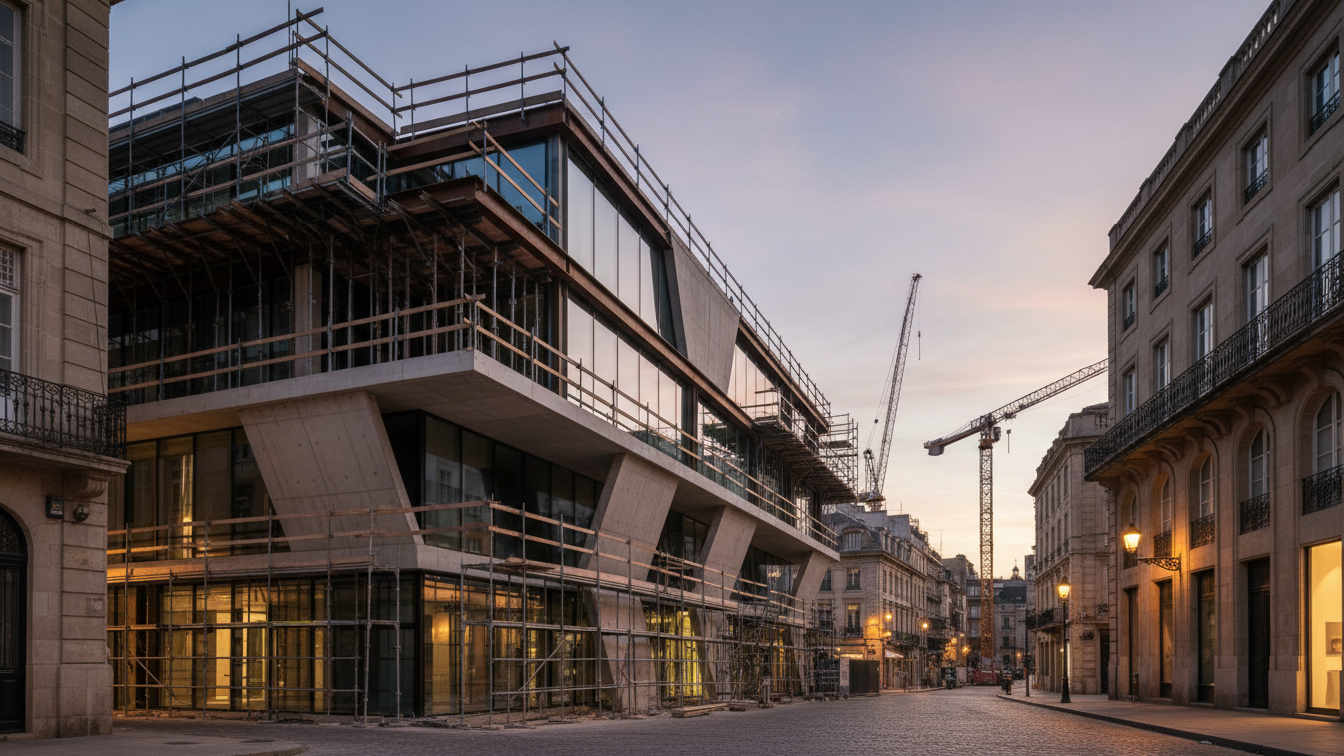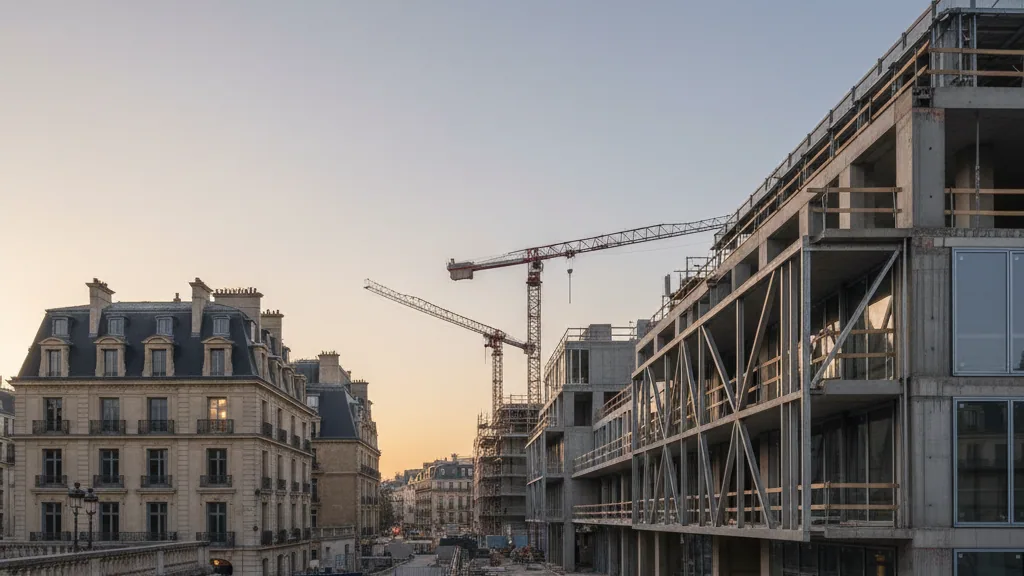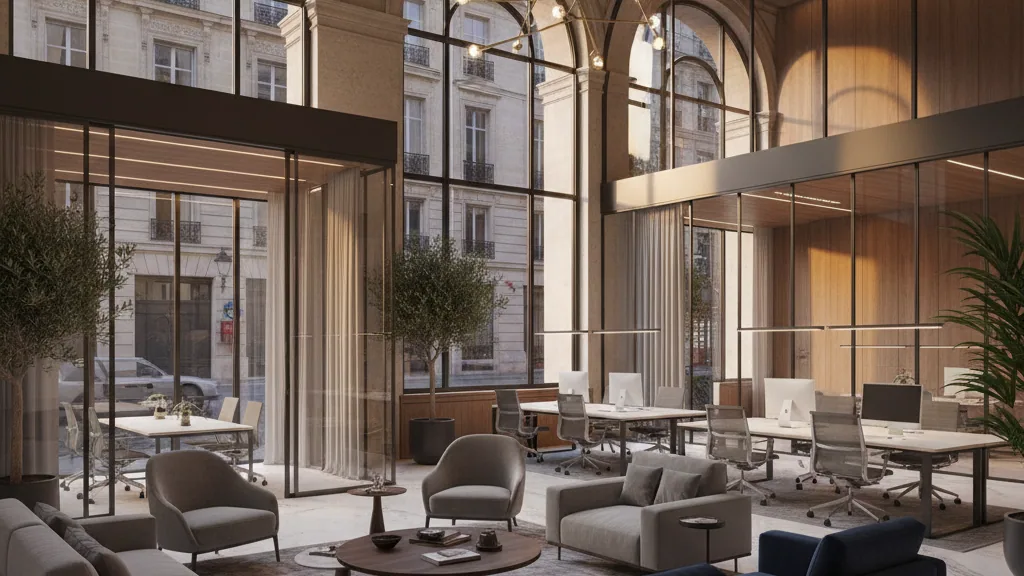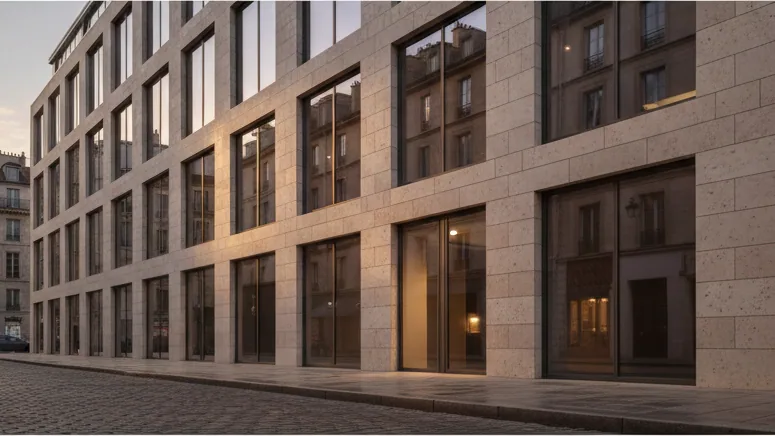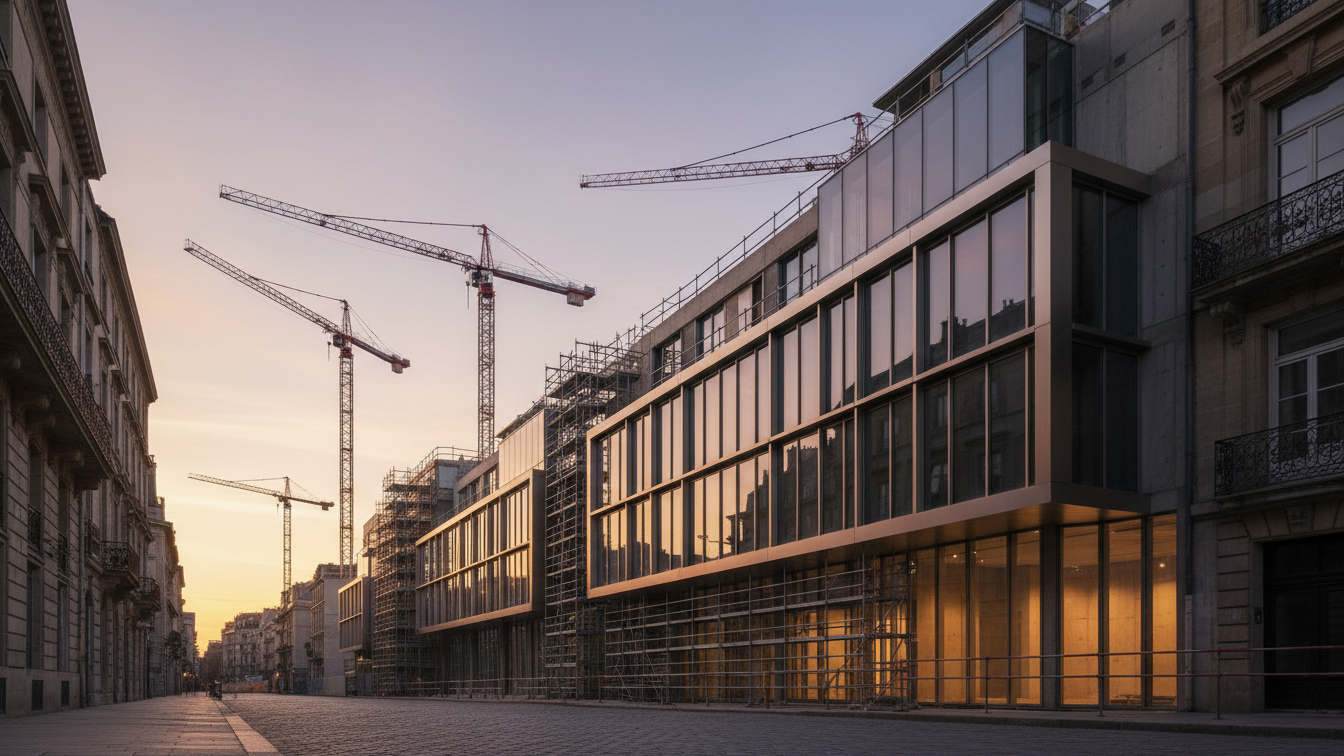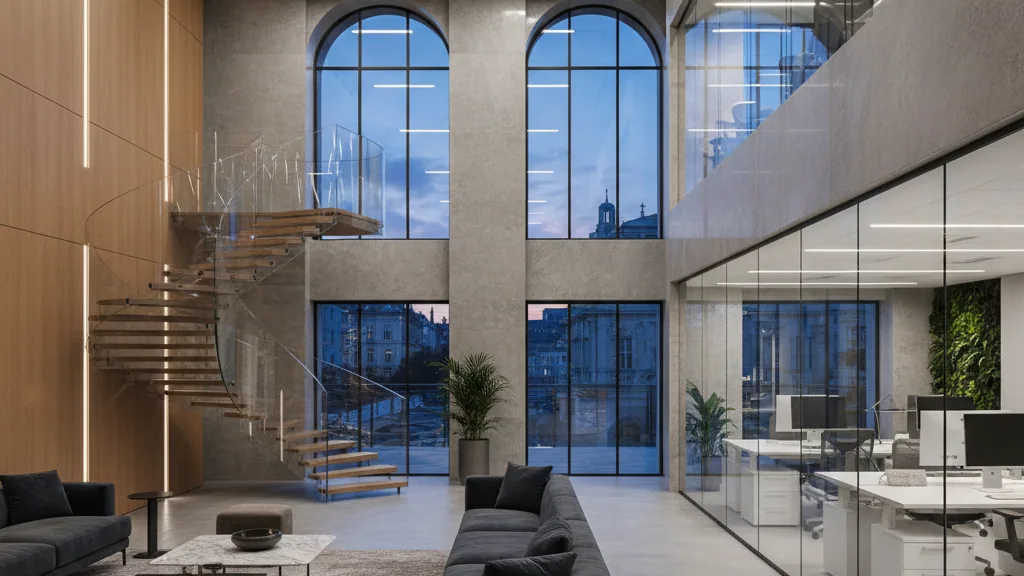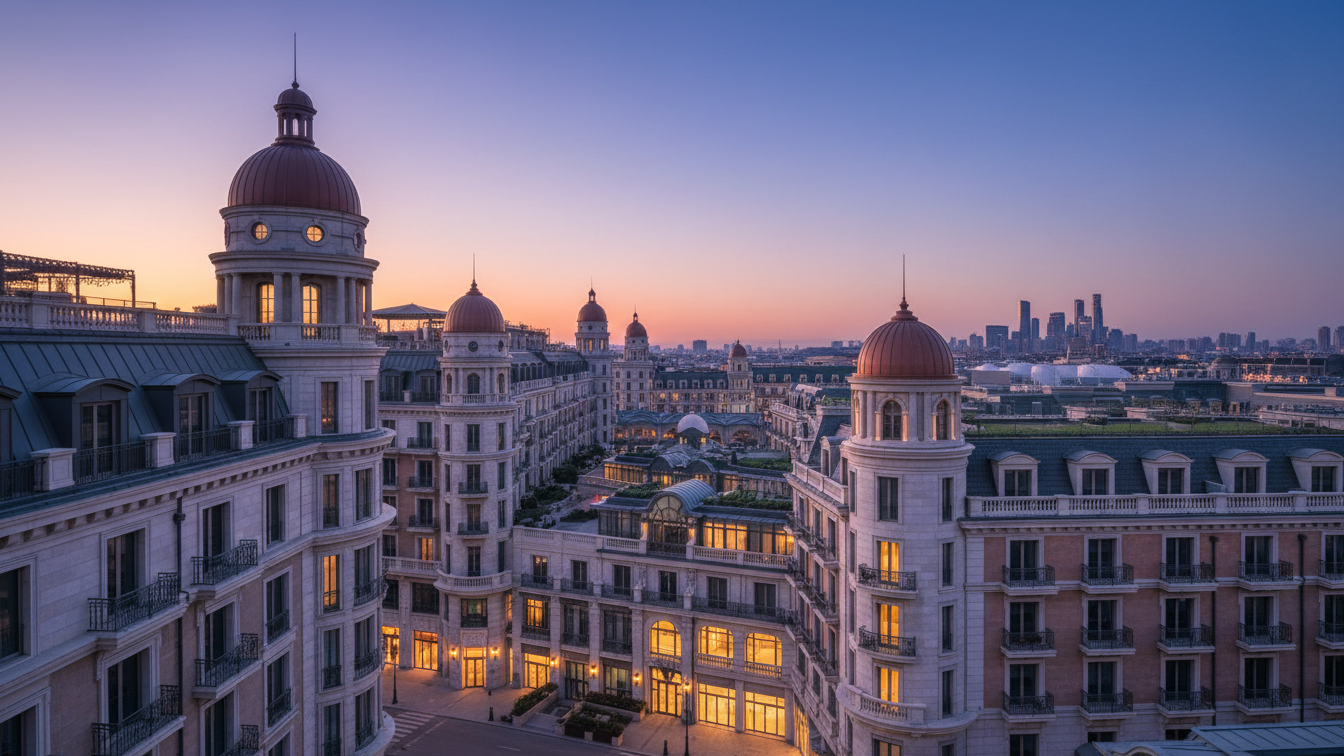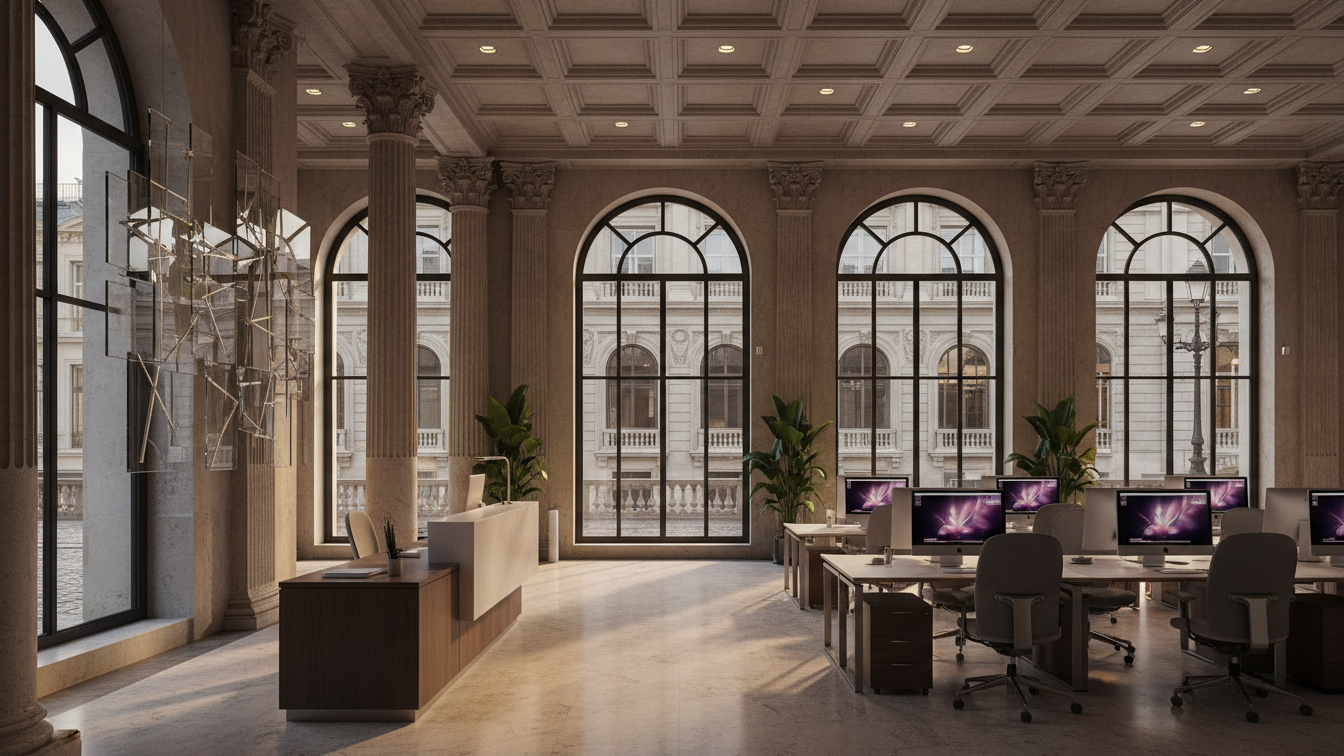
German city centres are facing a profound change in their function and use. Factors such as advanced online retail, demographic shifts due to ageing and immigration, as well as new requirements for mobility, climate, and the existing property stock, are shaping this transformation. The company PROQUADRAT identifies the central challenge not as the isolated vacancy of individual retail units, but as the necessary strategic realignment of entire streets and districts.
The traditional model of the city centre, based on the chain of retail – footfall – rent – property value, is increasingly losing its exclusive validity. Current data supports this trend: in 2025, German online retail reached a turnover of approximately EUR 92.3 billion, according to HDE figures. Parallel to this, the population structure is changing significantly; the Federal Statistical Office reports around 21.8 million people with an immigration background in Germany for 2025. Furthermore, the ageing of society is progressing, with population projections forecasting that by 2035, about one in four people in Germany will be 67 years or older. These developments pose new demands on the real estate sector.
Strategic Redefinition of Locations and Uses
PROQUADRAT notes that the crucial question in the future must go beyond the mere re-occupation of vacant retail units. Instead, it is necessary to define the long-term functions of a location and a district for the next ten to twenty years. In addition to established retail and gastronomy, diverse new uses can occupy city centre spaces. The ground floor is consequently developing into an urban infrastructure.
- —Residential and senior living
- —Healthcare and care facilities
- —Co-working spaces and flexible workplaces
- —Educational and cultural institutions
- —Youth and leisure facilities
- —Service centres
- —Urban logistics and micro-depots
- —New mobility and meeting facilities
An additional challenge lies in the fragmented ownership structures of many city centres, where neighbouring buildings often belong to different private owners, communities of heirs, companies, institutional investors or municipalities. Each party primarily optimises their own property, which collectively does not necessarily result in a functional district. PROQUADRAT suggests learning from professionally managed retail properties such as shopping centres here. Although a city centre should not become a shopping centre, it can adapt their strategic coordination of entire districts. Business Improvement Districts (BIDs) in Hamburg demonstrate the feasibility of such cooperations, with 49 areas implemented and over EUR 112 million in private investment.
Long-term Transformation and the Extended Concept of Property
PROQUADRAT describes the transformation as a long-term process. By 2030, spaces, vacancies, and usage structures should be systematically recorded, owners networked, and professional district management established. By 2040, the structural conversion of former retail and office properties will be paramount to enable new combinations of living, healthcare, work, gastronomy, culture, and services. A intergenerational, climate-resilient, and all-day functioning city centre could be the result by 2050. The city of the future must appeal to all population groups, from young people to seniors, and integrate both long-term residents and immigrants. Demographic change, including immigration, is already visible today and shapes the demand and use of properties, even though nationwide statistics on the acquisition of commercial properties by people with an immigration background are not currently available.
For PROQUADRAT, this leads to the central real estate economic thesis that the property of the future no longer ends at its plot boundary. The long-term success of a property largely depends on the functioning of its surroundings. This leads to an extended approach: property – street – district – demand – target image – use – investment – impact. It is not the highest short-term individual rent, but a functional district with a balanced mix of uses, high quality of stay and footfall throughout the day, that contributes to the long-term stability of a location. The city centre of the last century was primarily a place for shopping; the city centre of the coming decades will have to develop into a more diverse place for encounters and uses.