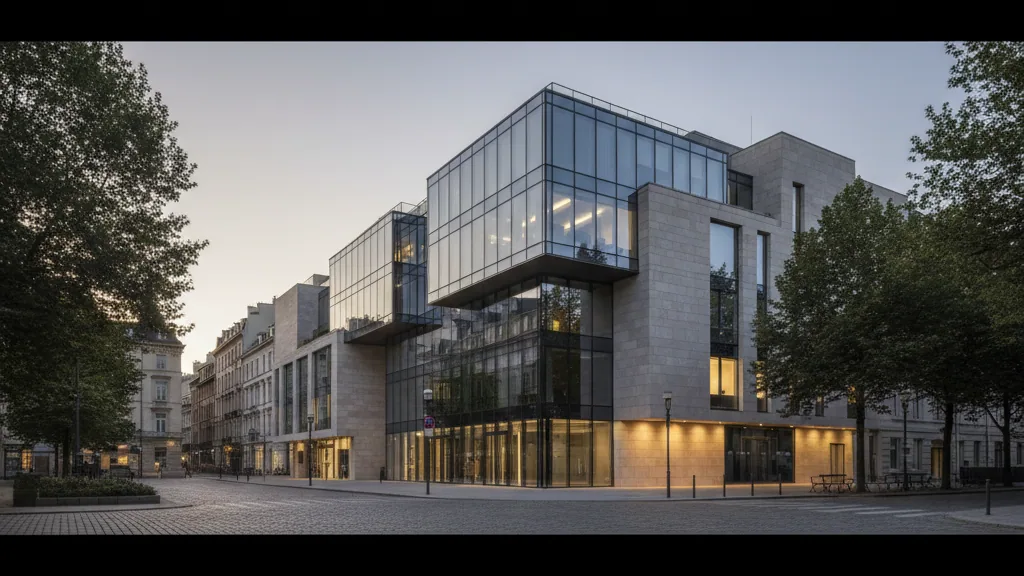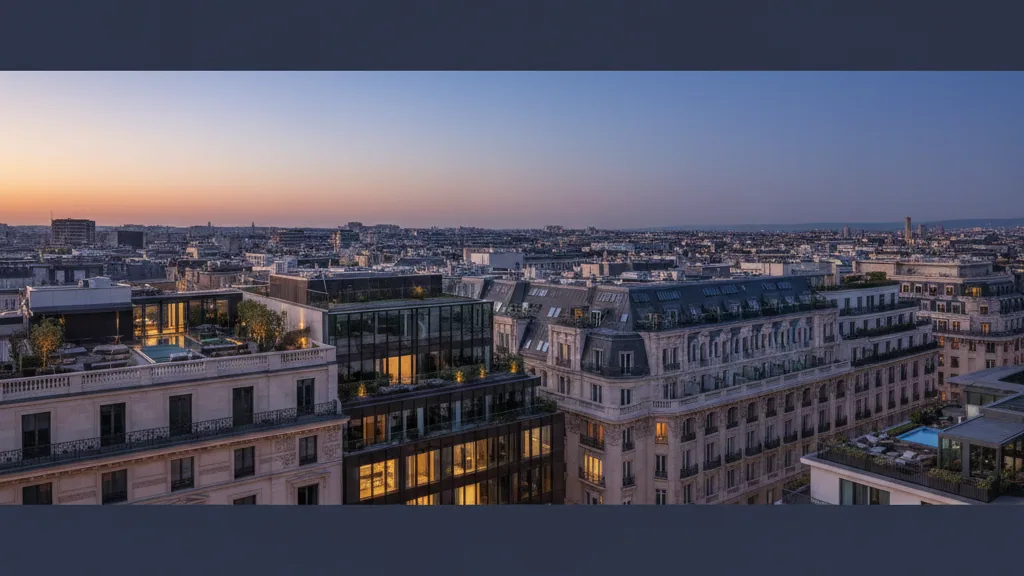
The PKF hospitality group, in collaboration with the Future of Hospitality Institute, has published a white paper offering detailed insights into current relocation trends among High-Net-Worth Individuals (HNWIs). The analysis, titled “Millions on the Move: The Increasing Global Mobility of Millionaires and the Consequent Impact on Branded Residences”, illustrates the effects of growing wealth mobility on the branded residences market.
The report notes a significant increase in millionaires changing their international residence. The number rose from approximately 51,000 in 2013 to an estimated 142,000 in 2025. A further increase to 165,000 by the end of 2026 is anticipated. This trend highlights a shift in how wealthy individuals evaluate wealth preservation, quality of life, and global investment opportunities.
Location Factors and Branded Residences
Several factors are crucial for choosing a new residence, including security, tax attractiveness, quality of life, economic stability, residency programmes, and entrepreneurial freedom. Countries such as the United Arab Emirates, the USA, Singapore, Switzerland, Italy, Saudi Arabia, Portugal, Spain, Greece, Canada, and Australia are among the preferred destinations offering HNWIs long-term stability and prospects.
Akshara Walia, Director of Research at PKF hospitality group, comments on this development: “The movement of wealth serves as an indicator of confidence in a country's future.” She adds that wealthy individuals are increasingly basing their choice of residence not only on tax advantages but also on factors such as good governance, infrastructure, quality of life, and growth prospects.
Branded residences benefit from this trend, as they combine luxury properties with hospitality services, brand prestige, and flexible ownership models. They offer amenities such as concierge services, security concepts, and wellness facilities. These elements often lead to a price premium compared to classic luxury residential properties.
The study identifies four key developments for the branded residences market: the emergence of new wealth hotspots, increased technological integration with AI-powered services, higher sustainability standards, and a heightened focus on wellness and longevity concepts. Walia concludes that the future of luxury living will be characterised by flexibility, personalisation, and seamless experiences, thereby establishing branded residences as the preferred form of accommodation for globally oriented, wealthy buyers.