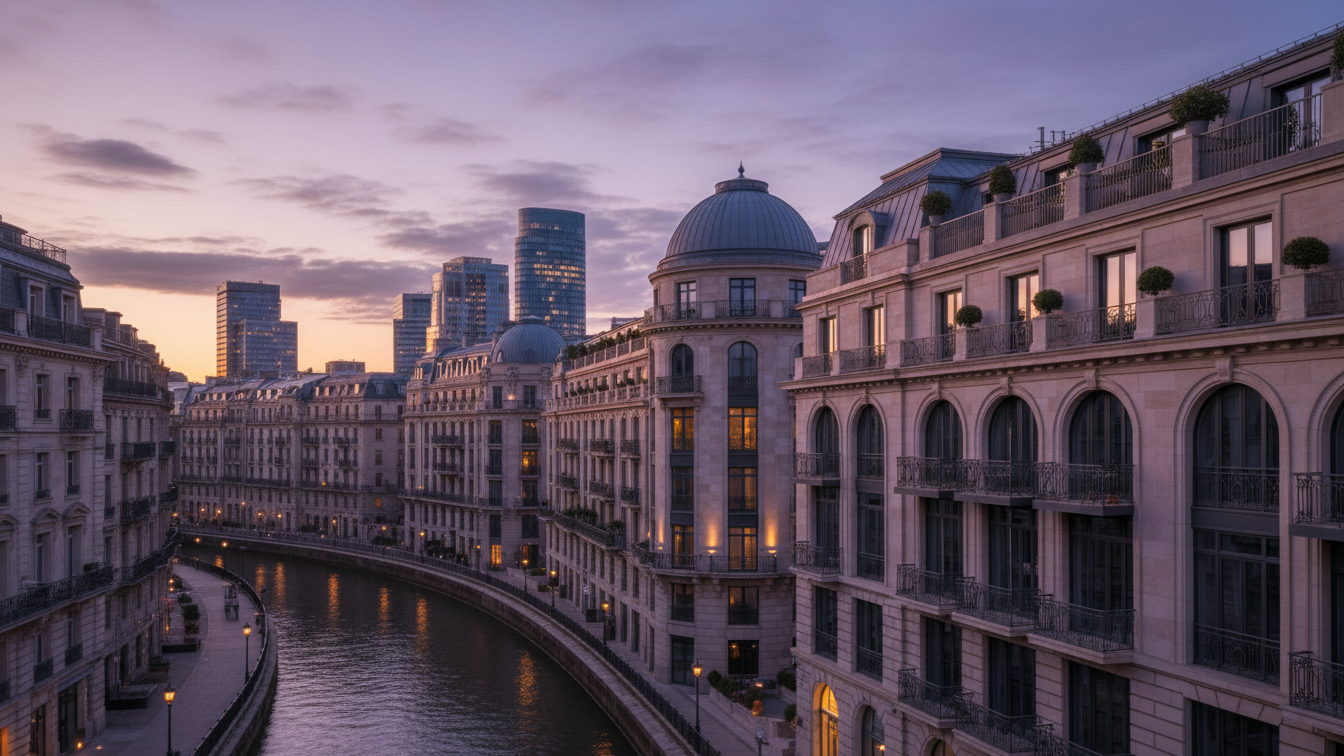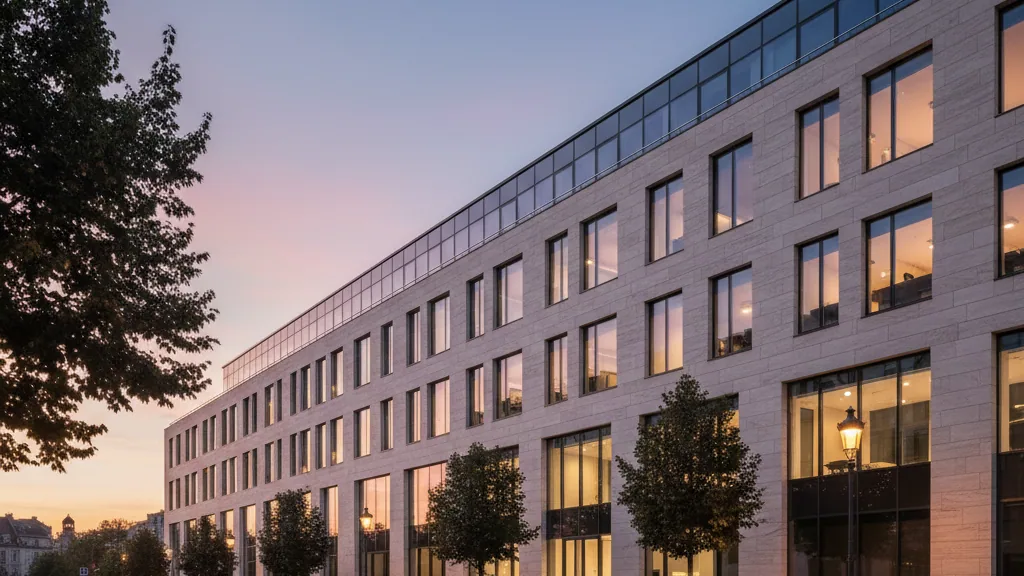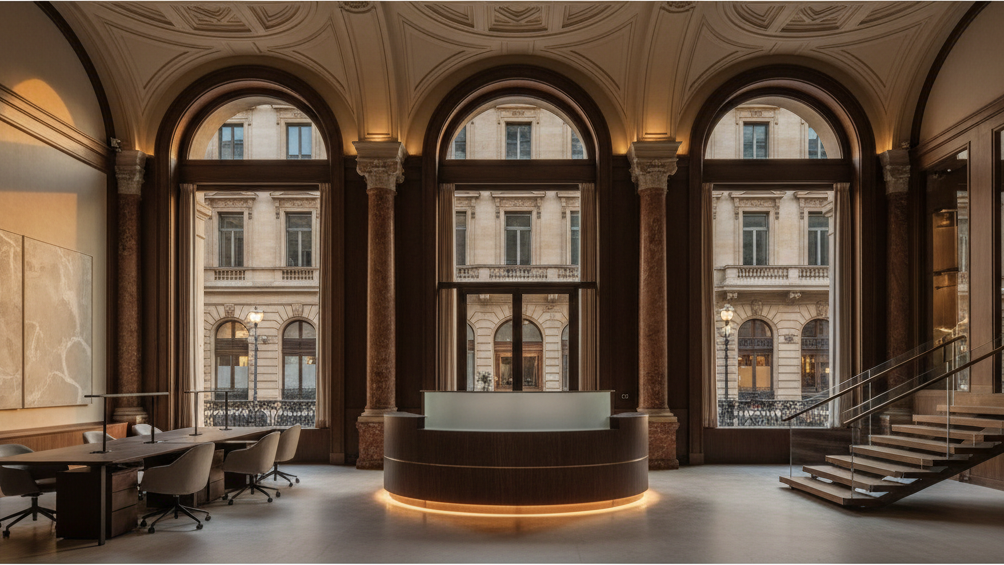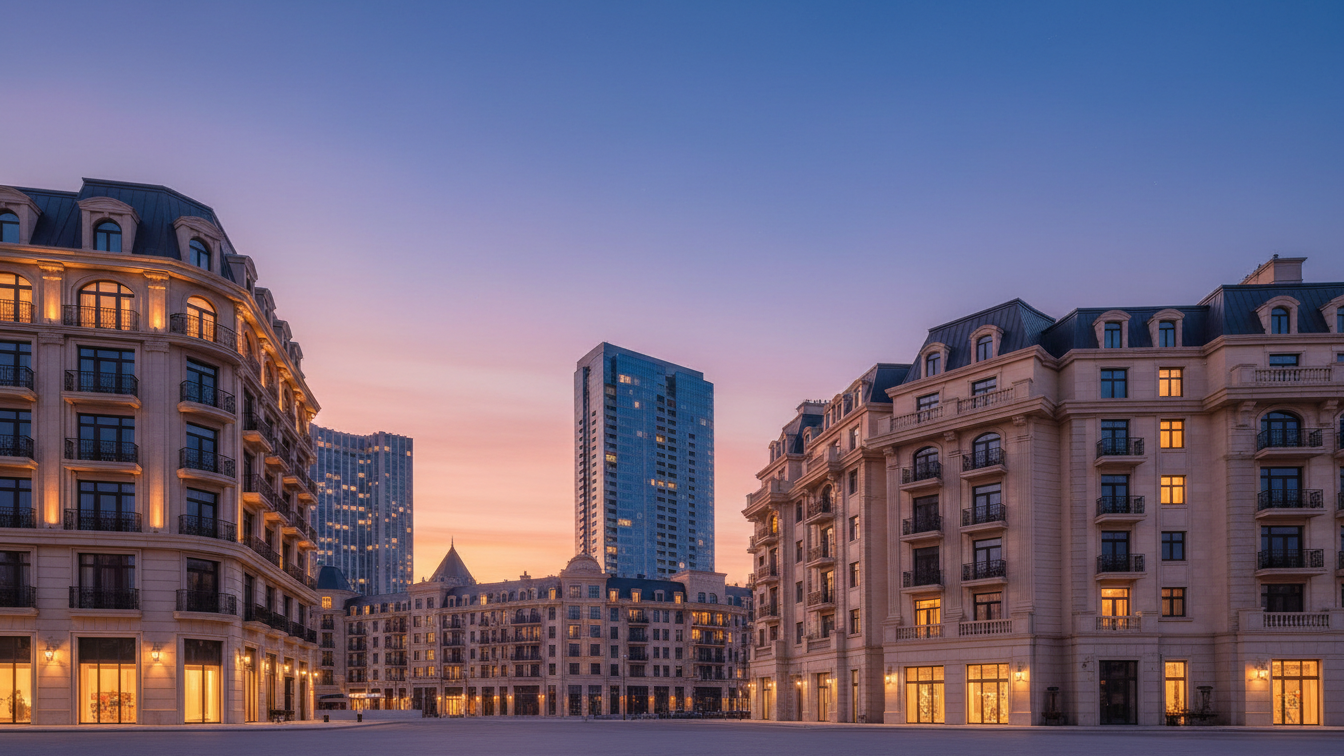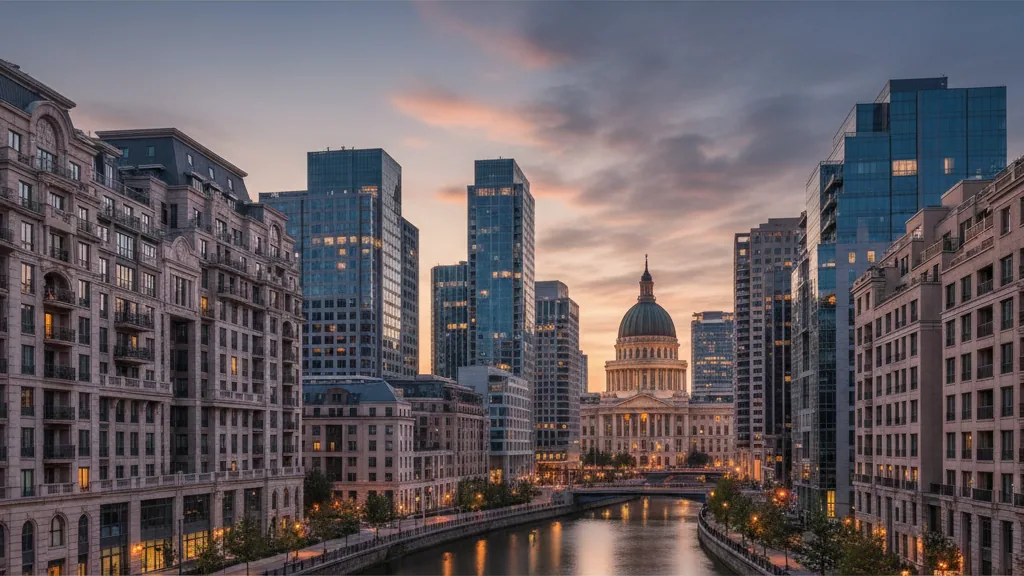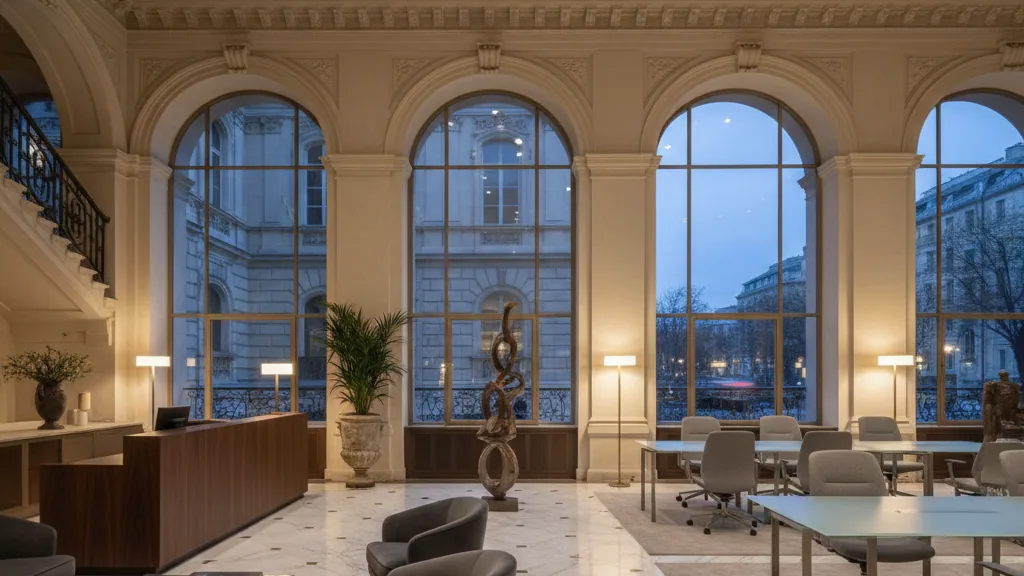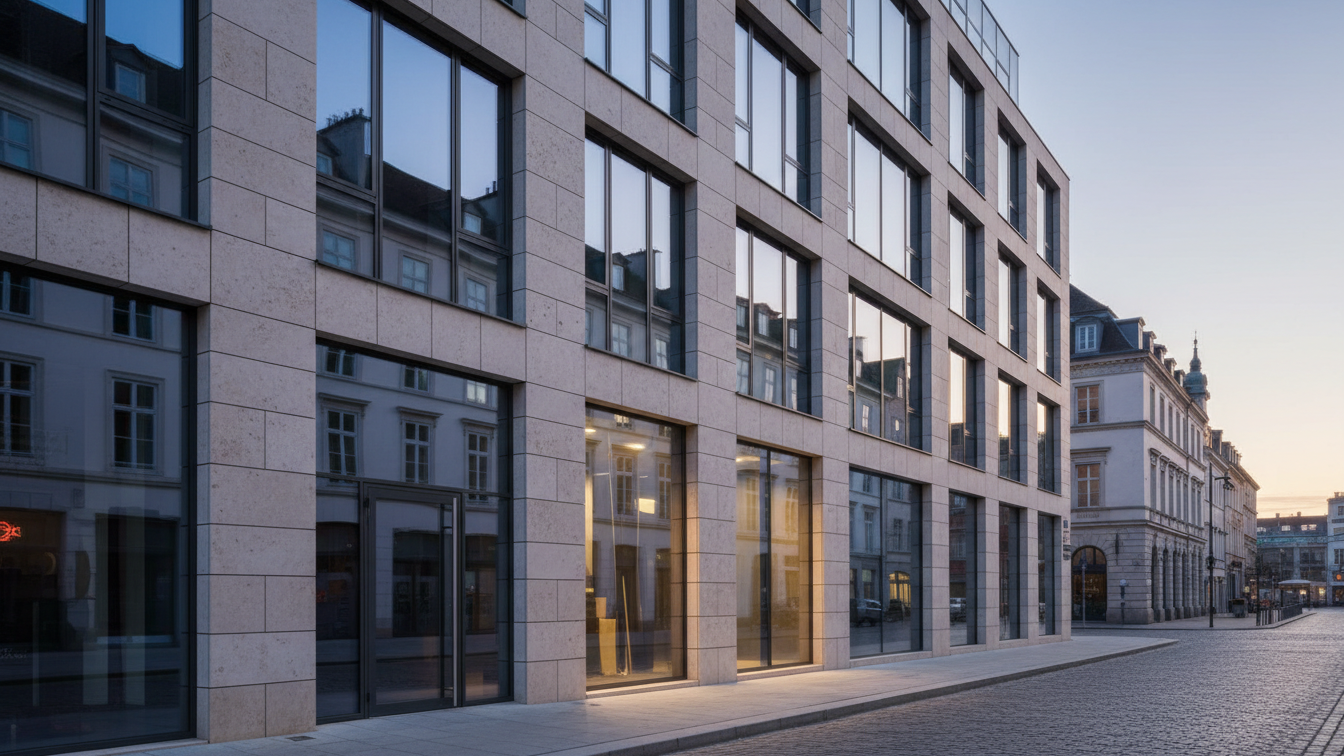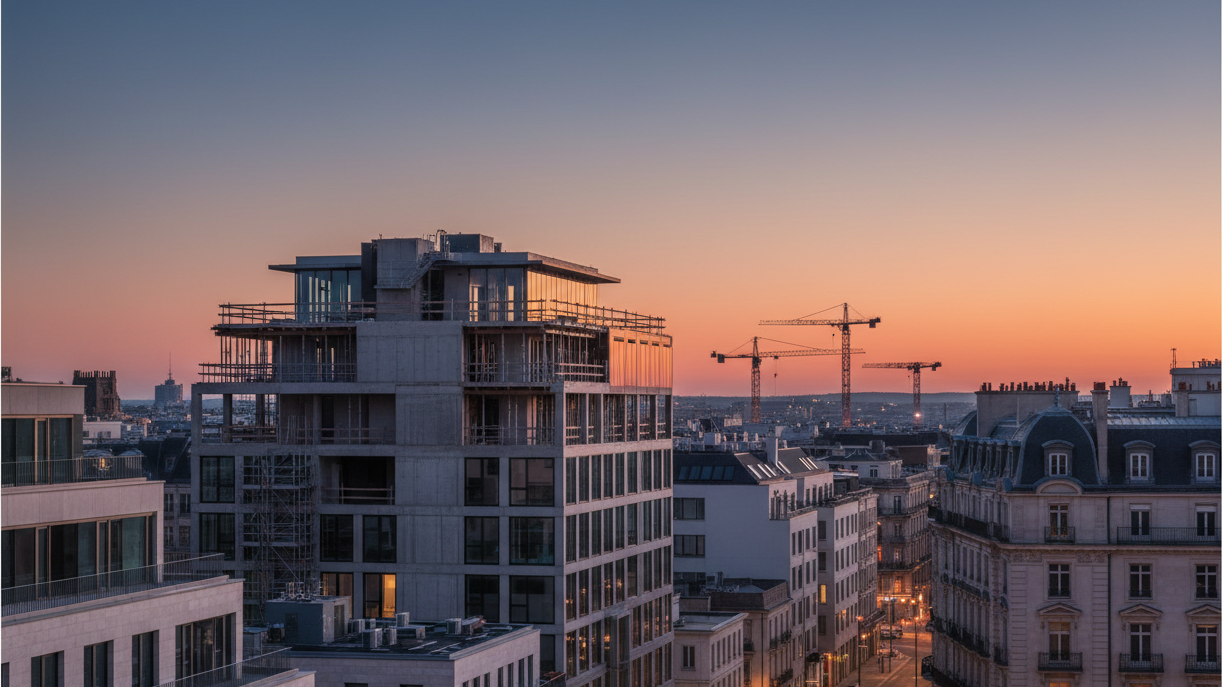
According to property developer and estate agent Christian Gérôme, the Berlin real estate market is undergoing an extensive consolidation phase. Particularly in the upscale and luxury segments, purchase prices from previous boom years can often no longer be achieved. In selected submarkets, attainable values are currently around 30 percent below their former peaks. The causes include the economic downturn, inflation, the altered interest rate environment with financing costs of around 4.5 percent, and general uncertainty among market participants.
Purchasing power deficits in the segment above two million euros
Particular challenges are emerging for properties in the price bracket of two to three million euros and above. According to Gérôme's observations, Berlin faces a structural purchasing power issue at the top end of the market: relative to the city's size and significance, there are comparatively few corporate headquarters and consequently a smaller pool of prospective buyers with very high incomes or assets. In addition, key international buyer groups have fallen away in recent years. Owners must therefore let go of earlier expectations, as the downward movement has already taken place and its effects may linger for some time.
For well-capitalised buyers, however, this market environment opens up new opportunities. Those with the necessary liquidity now benefit from a considerably wider selection of properties than in previous years. Despite the price declines, Gérôme highlights the advantages of Germany as a location: strong legal certainty, a dependable land registry system, and secure property rights provide stability that proves to be a decisive locational factor, particularly during periods of global uncertainty.
Bidding procedures and ongoing development projects
To optimise marketing, Gérôme's company, AIB Allgemeine Immobilien-Börse GmbH, uses a structured bidding process in the final sales phase. Through direct competition among selected prospective buyers, price improvements of up to 15 percent compared with earlier offers or expected values have been achieved in individual cases.
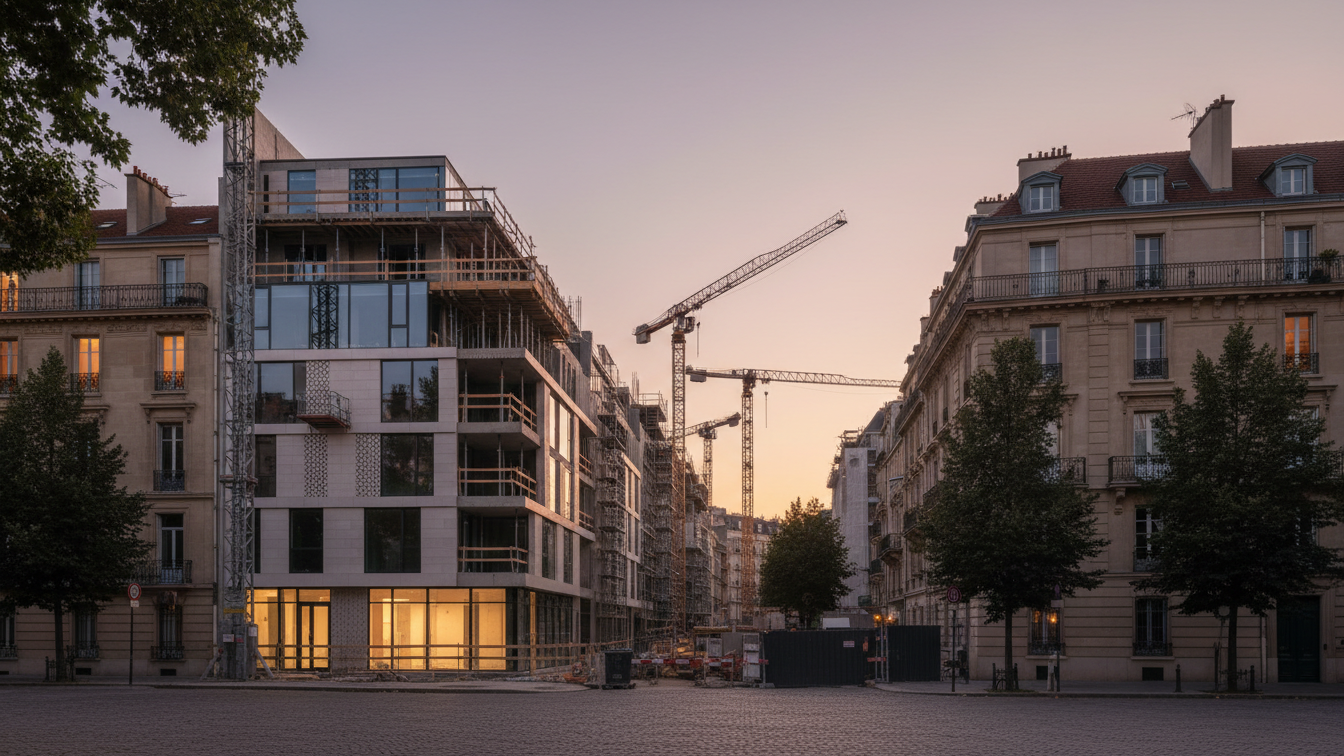
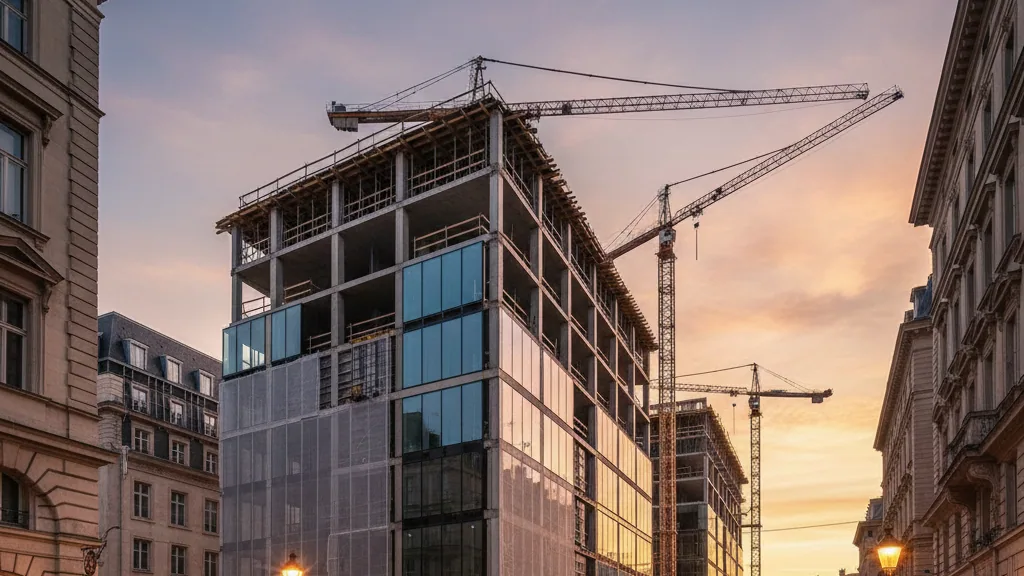
Regardless of the current price correction, the entrepreneur is continuing his commitment to the Berlin market. Alongside the revitalisation of historic buildings, he is active in new residential construction: in the districts of Pankow and Karlshorst, around 300 social housing units are currently nearing completion, while roughly 1,000 apartments in total are planned for development over the coming years. In Gérôme's view, the short-term market adjustment does not contradict the capital's long-term prospects, as no metropolis in Europe possesses greater development potential than Berlin.