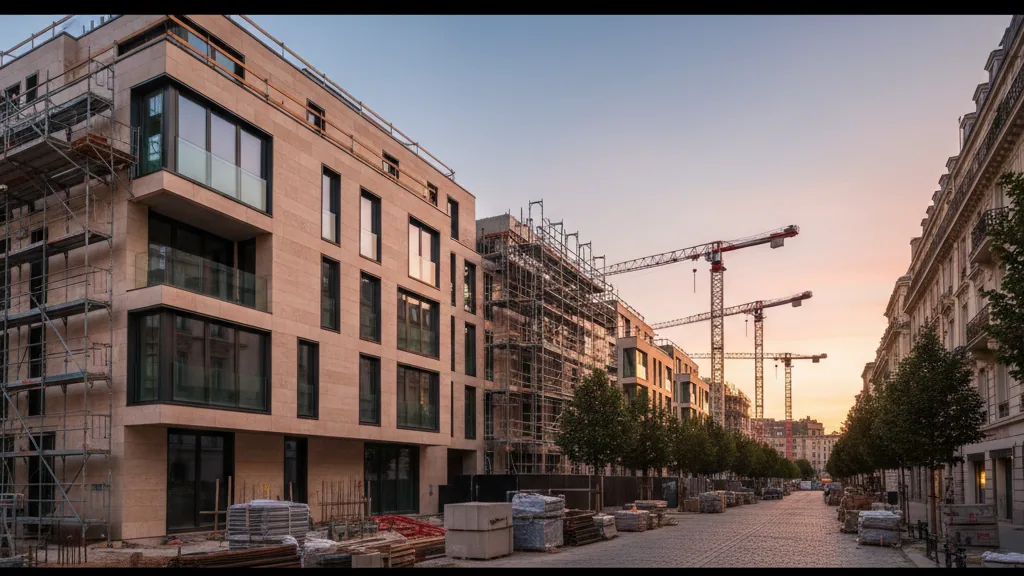
The Federal Statistical Office has recently published the latest figures on building permits, showing an increase in April 2026 compared to the same month last year. In that specific month, 1,700 more permits were issued than in April 2025, which corresponds to an increase of 9.2 percent. Looking at the period from January to April 2026, the number of permits for multi-family homes totals 44,300 units, an increase of 14.7 percent or 5,700 units compared to the same period of the previous year.
However, this increase in permits contrasts with the persistent structural challenges for the construction industry. Investment willingness continues to be hampered by increased construction costs, persistently high financing costs, and regulatory uncertainties. Ms Aygül Özkan, Chief Executive of the ZIA, notes that while permits show potential, this potential must also be realisable. Reliable political framework conditions without new burdens are essential for this.
Discrepancy between Permits and Completions
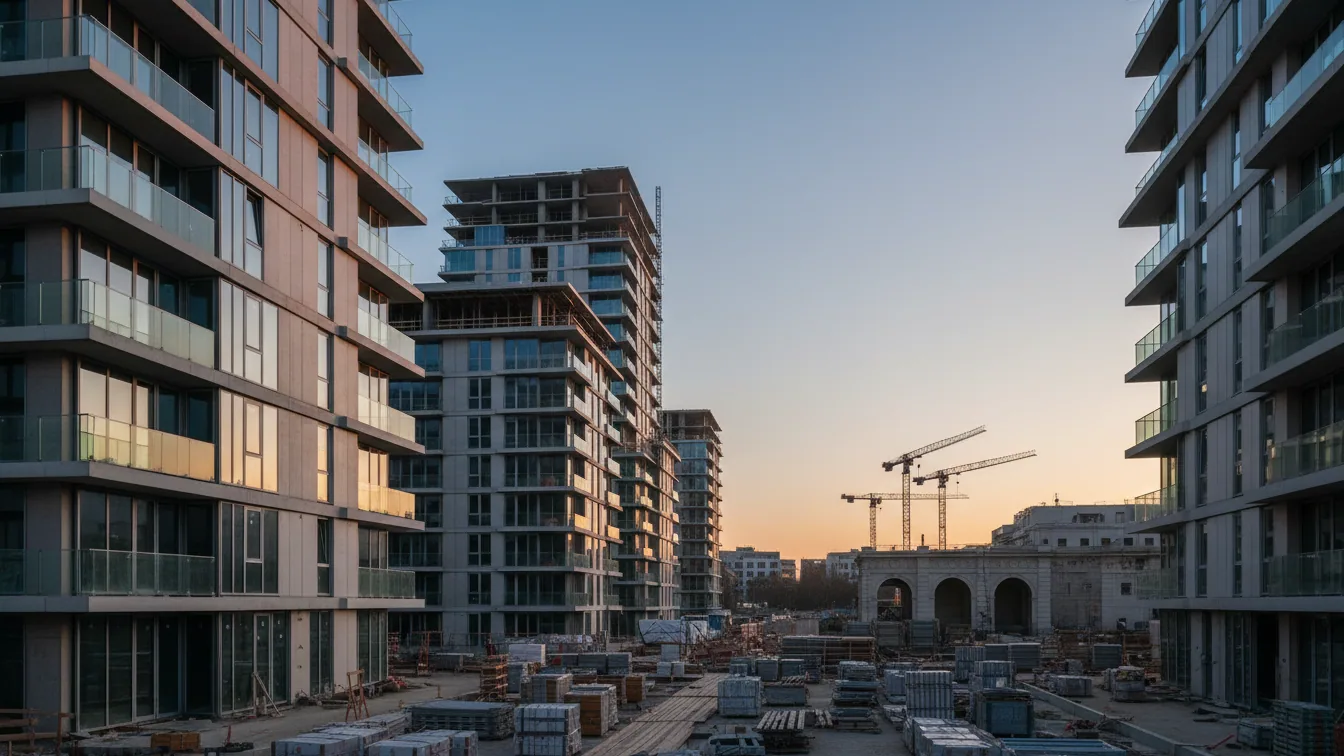
The development of building permits should not obscure the fact that the gap between the number of approved projects and actual construction completions is widening. In 2025, only 206,600 dwellings were completed in Germany. This marks a decrease of 18 percent compared to the previous year and continued a significant downward trend, observed for the second time in a row, after completion figures between 2021 and 2023 were still around 294,000 units.
To accelerate the mobilisation of urgently needed private capital for housing construction, the ZIA proposes concrete measures. These aim to create investment incentives and improve framework conditions.
- —Strengthening equity-replacing instruments: State guarantees, sureties, and subsidies to compensate for equity shortages and improve access to credit for private households.
- —Reliable depreciation: Improvement and perpetuation of depreciation conditions to mobilise additional liquidity and promote investment.
- —Reduction of ancillary acquisition costs: Significant reduction or suspension of real estate transfer tax for first-time buyers and private landlords to facilitate home ownership and wealth creation.
Ms Özkan emphasises that the instruments and levers are known and must now be utilised. A clear commitment to investment-friendly framework conditions is the only way to sustainably overcome the housing shortage in Germany.