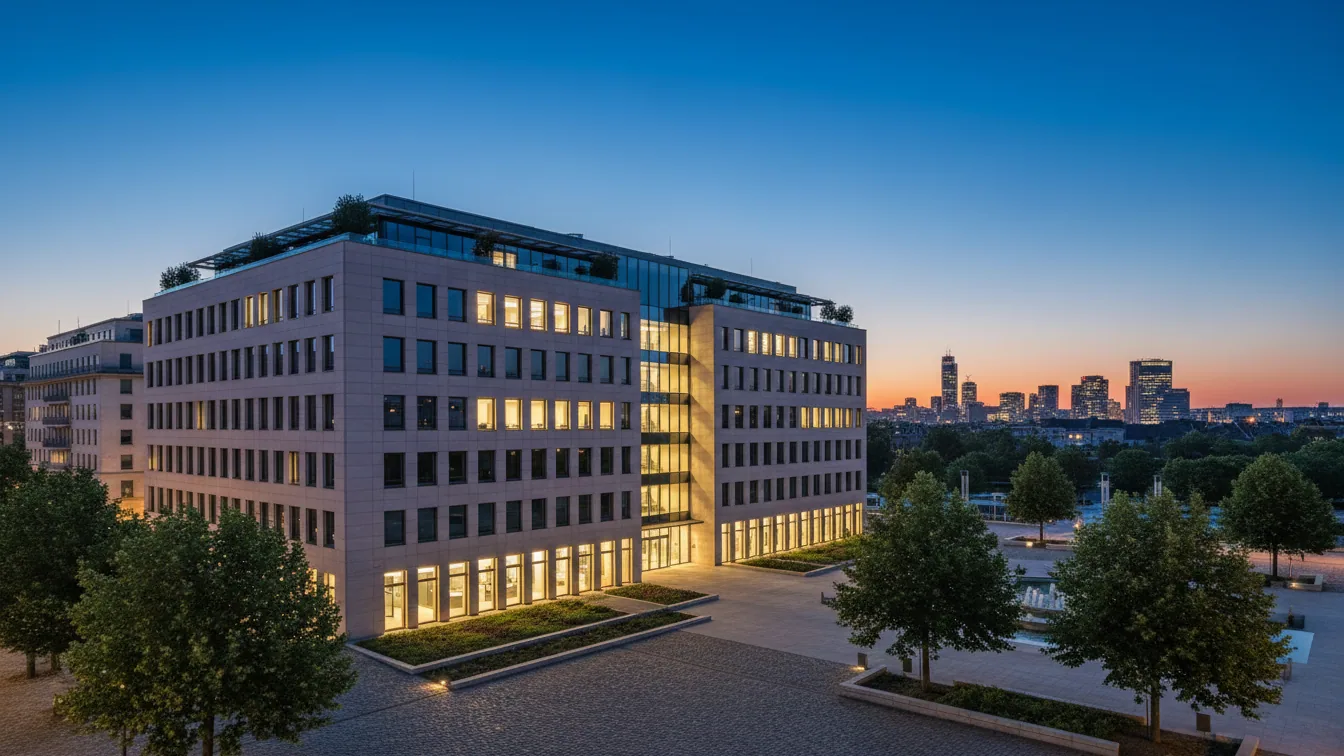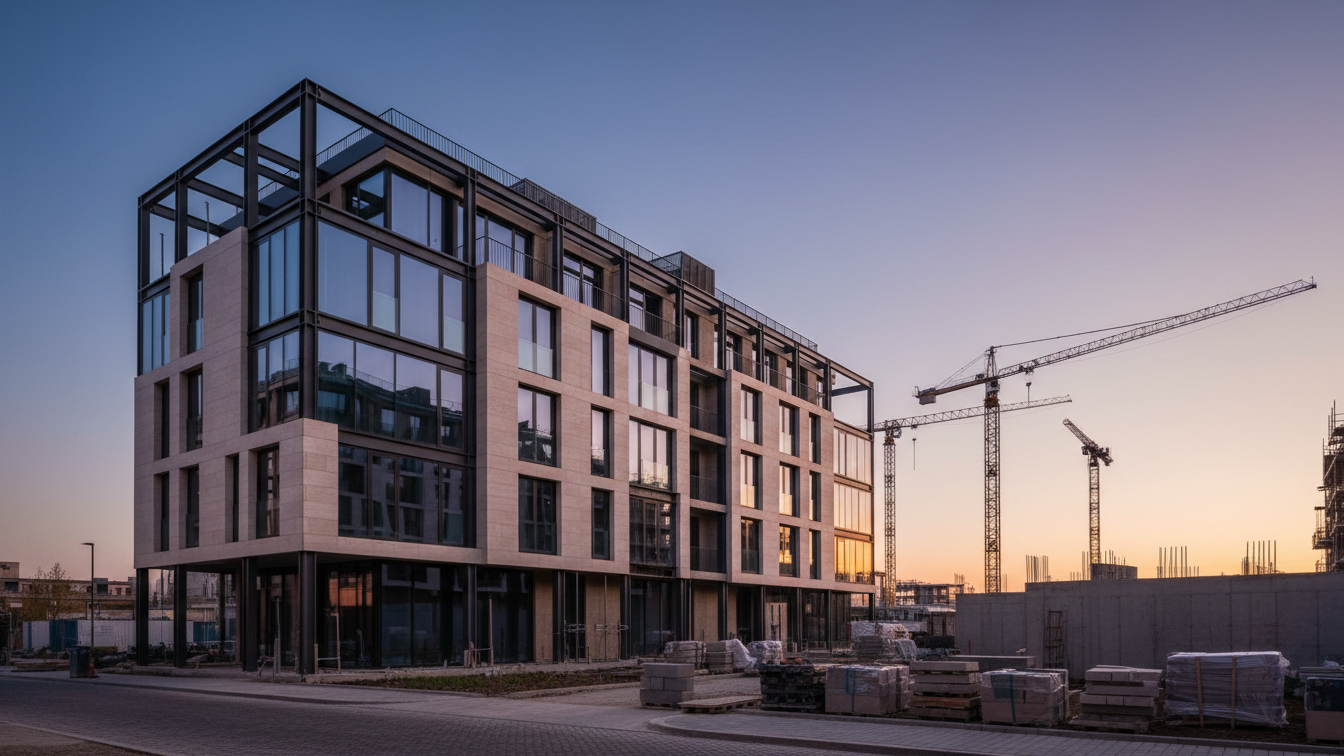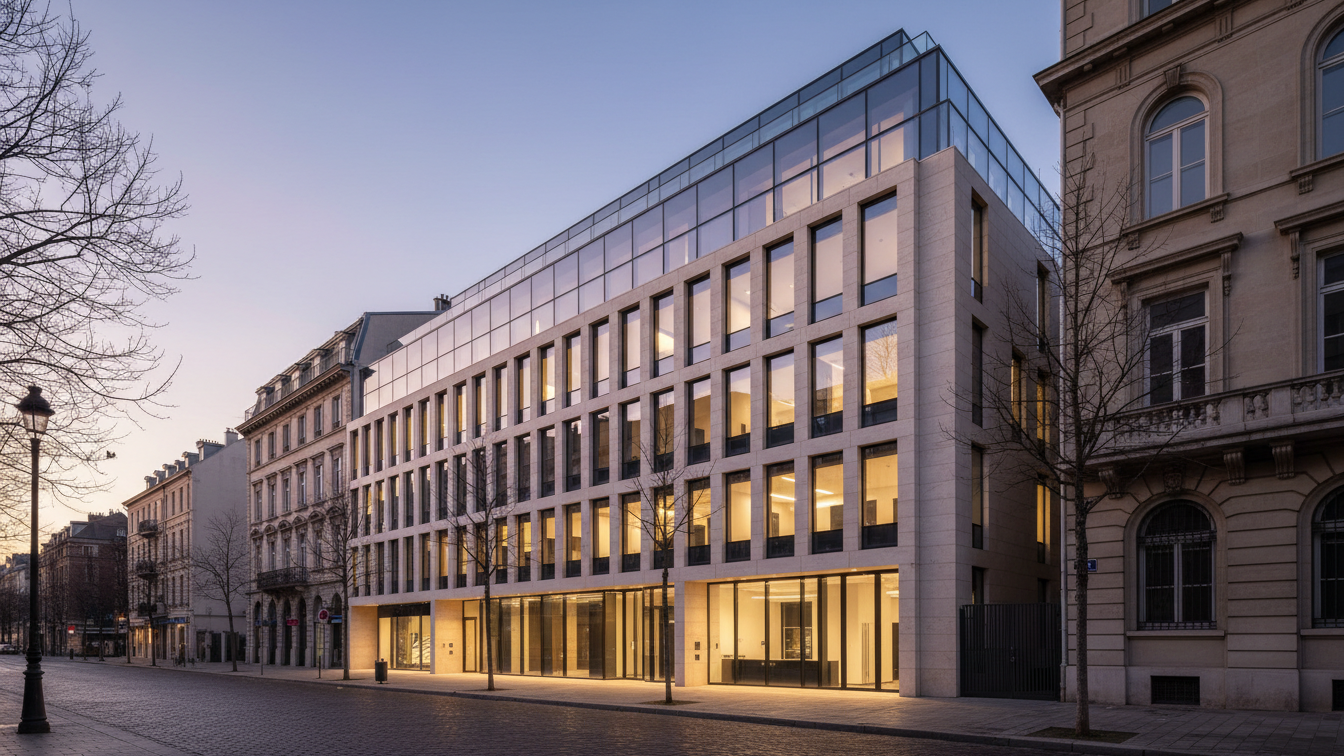
The choice of location has developed into a primary competitive factor for companies in Germany. Local general conditions are increasingly decisive for investments and production processes. Swift planning and approval procedures, a reliable energy supply, and an efficient infrastructure significantly influence the feasibility of investment projects. This requires a coherent consideration of location decisions by politicians and businesses alike.
In this context, Corporate Real Estate becomes directly relevant to Germany's investment capacity and competitive position. Simultaneously, Artificial Intelligence (AI) is transforming work and production processes, leading to new demands on buildings and their energy supply. Furthermore, resilient locations are required to minimise geopolitical risks, which further turns the location question into a competitive issue.
These developments were at the heart of the ZIA's Autumn Real Estate Conference, which took place at the dbb forum Berlin and brought together over 300 representatives from business, science, politics and the real estate industry. Location is thereby understood as an integral part of corporate strategy. Topics such as AI, transformation, portfolio decisions and security underscore the necessity of suitable locations. Buildings, spaces and infrastructure largely determine the speed at which companies can react to changes and invest in Germany.
ZIA Chief Executive Aygül Özkan emphasised that buildings and spaces go beyond their function as a cost item. She stated they are crucial for how quickly companies implement changes and how competitive a location remains. A closer link between real estate, infrastructure, energy and digitisation is therefore essential.
Future Questions for Corporate Locations
Four central questions for the future design of corporate locations were discussed at the conference. Dr. Jochen Keysberg, ZIA Vice-President and CEO of Apleona Group, opened the event with a keynote on the role of AI in Corporate Real Estate. Subsequently, a panel addressed the specific benefits of AI as well as the limits of system takeover of decisions, with human responsibility highlighted as indispensable.
Another focal point of discussion was the implementation of transformation goals and overcoming the so-called “implementation backlog” in Germany. Modernising buildings, converting energy supply, and reorganising spaces during ongoing operations pose major challenges. Both regulatory hurdles and internal company structures and decision-making processes were critically examined.
The future of corporate portfolios was discussed in a panel with Jörg Vocke, CEO Siemens Real Estate, Oliver Hecht, Market Board Member Berlin Hyp, and Meno Requardt, Managing Director Volkswagen Immobilien. The discussion covered core business, technology, energy, financing and geopolitical risks to answer the question of where companies will invest in the future. Sebastian Hartmann, Parliamentary State Secretary to the Federal Minister of Defence, also spoke about the requirements for resilient and security-relevant locations and the creation of usable infrastructure by public authorities, industry and the real estate sector. The focus was also placed on brownfields and existing industrial areas.