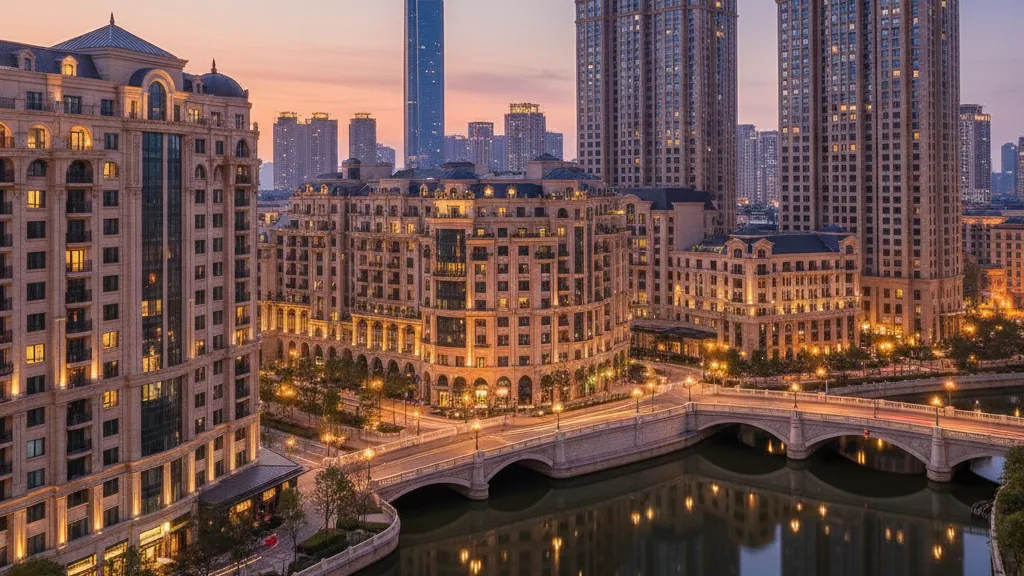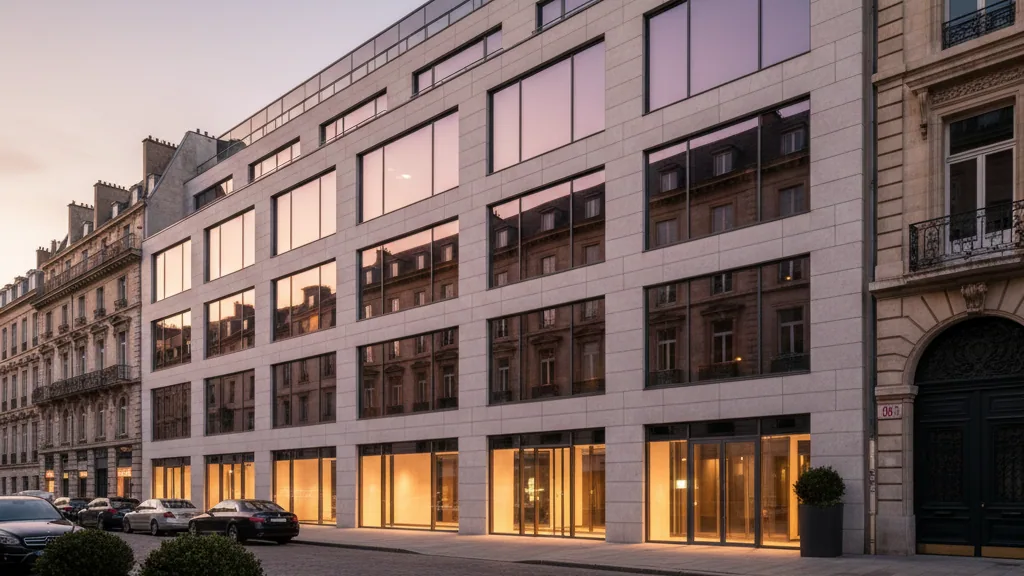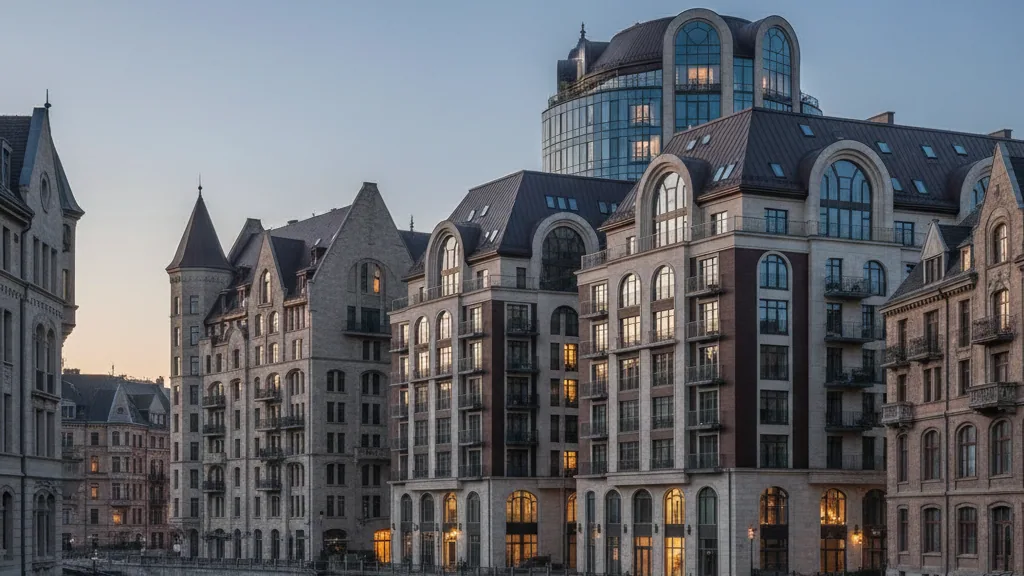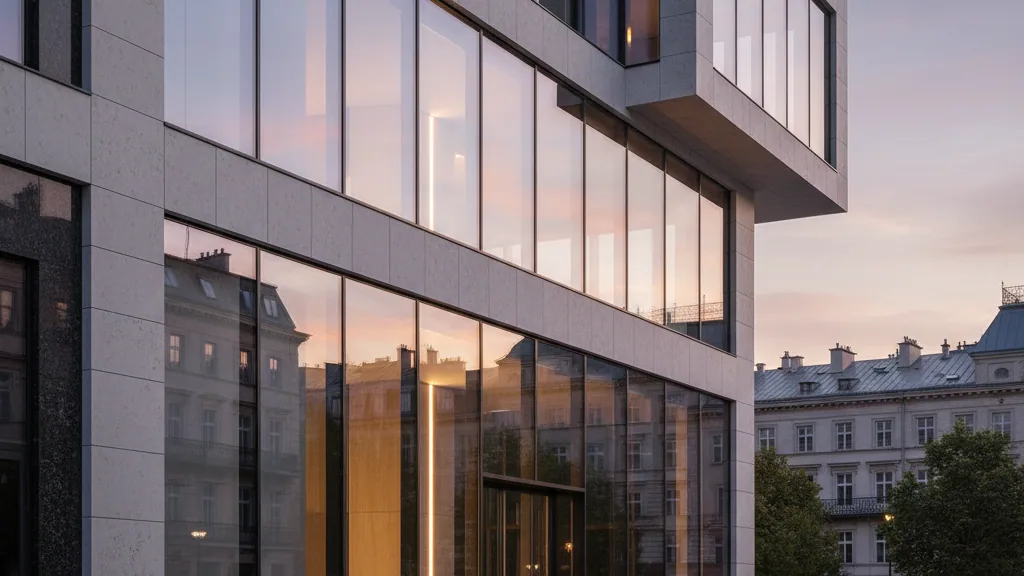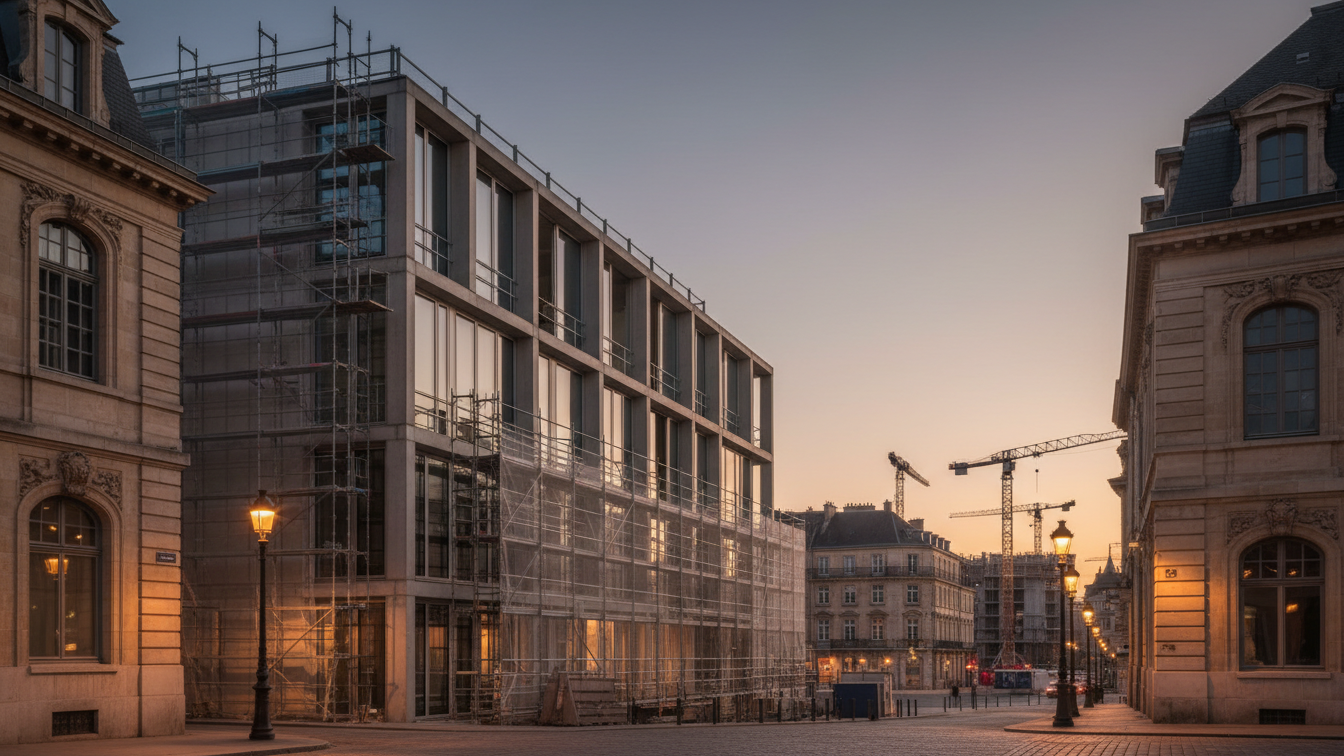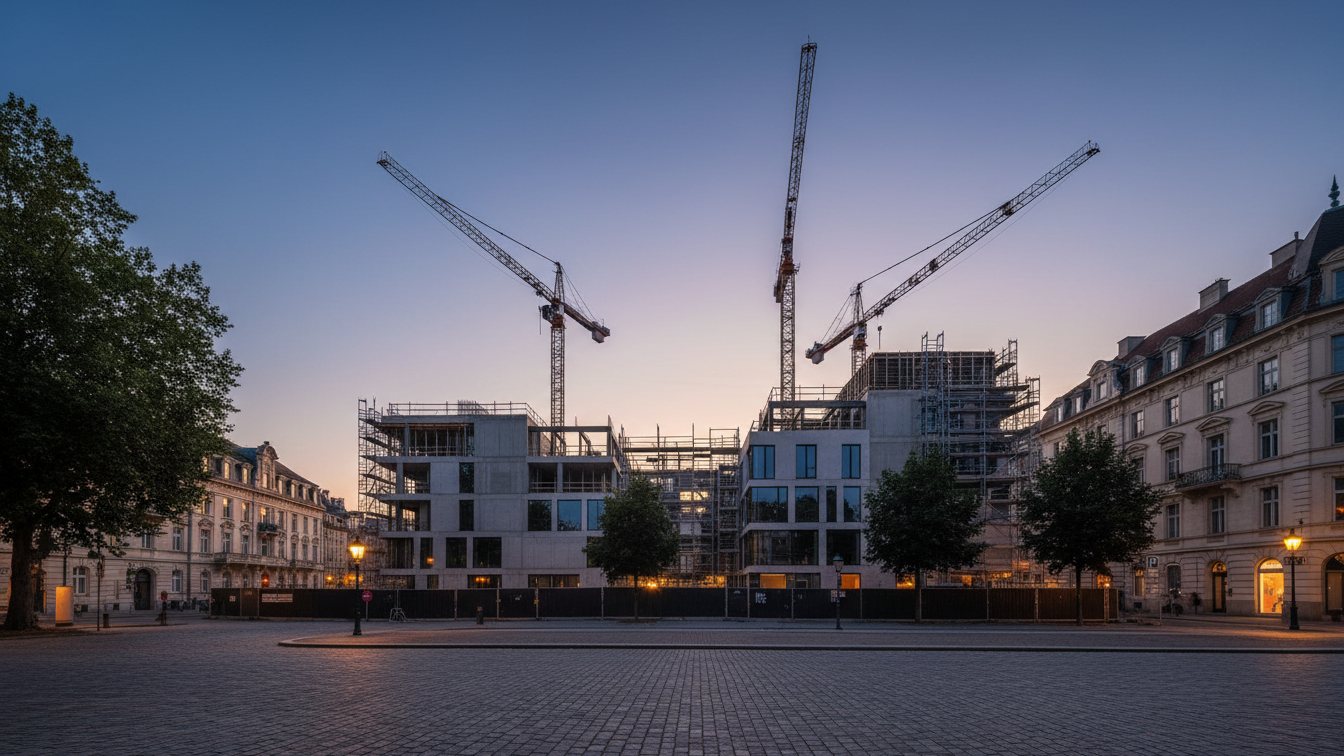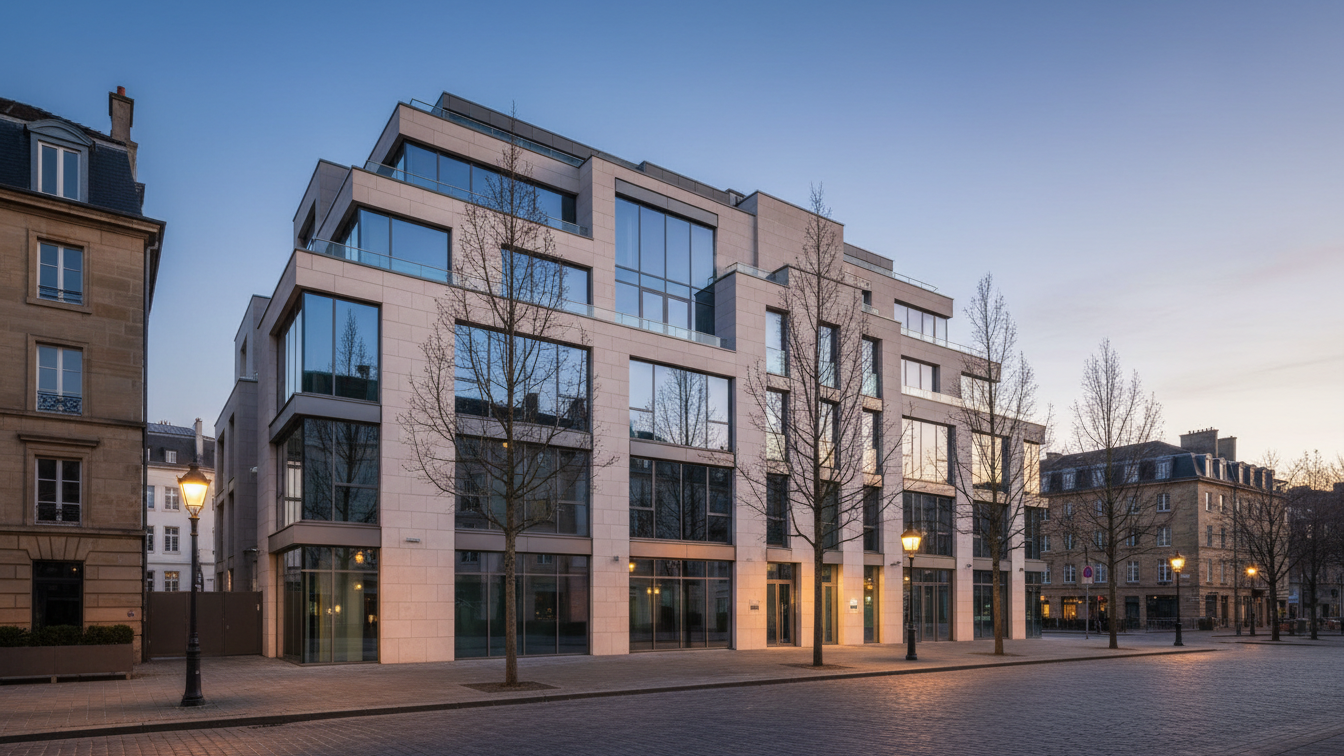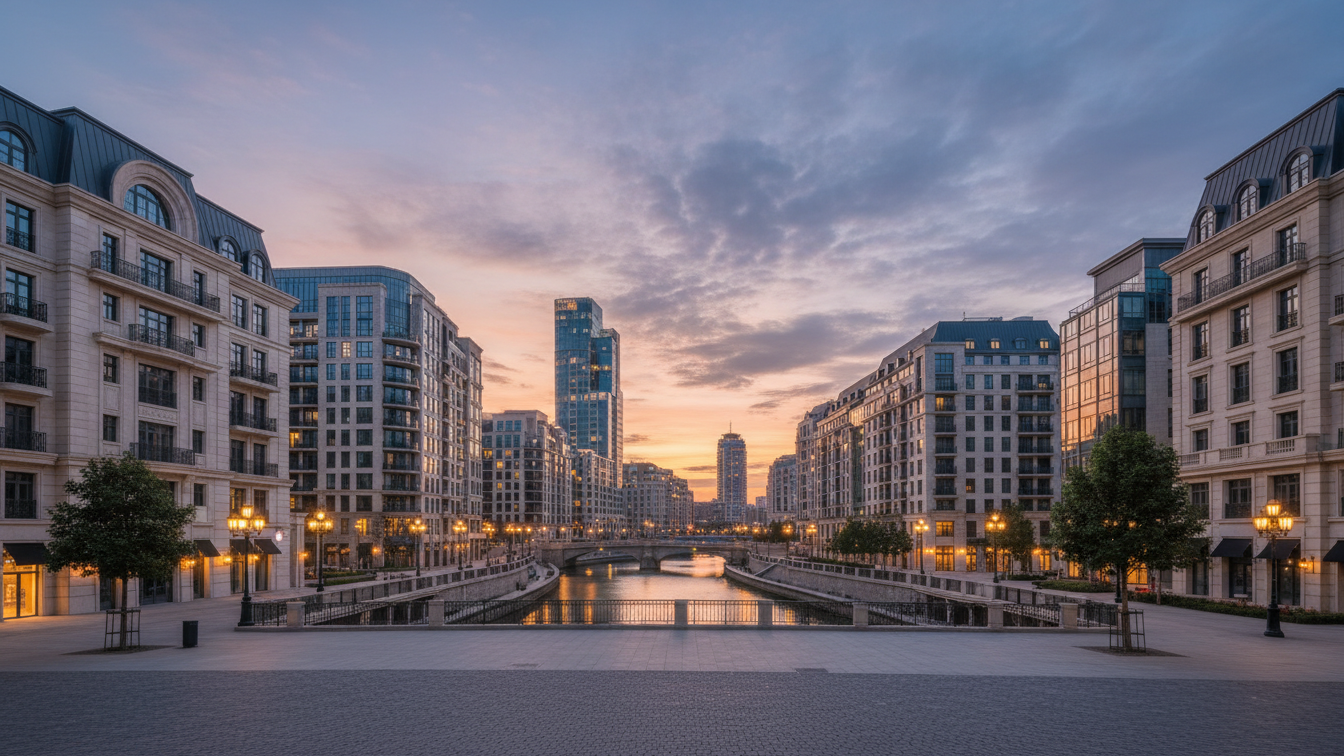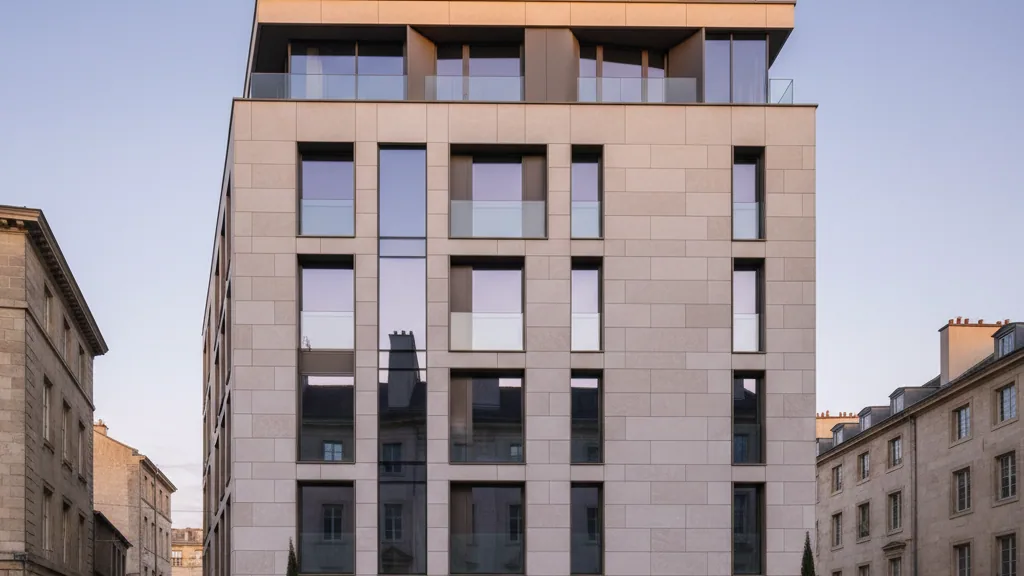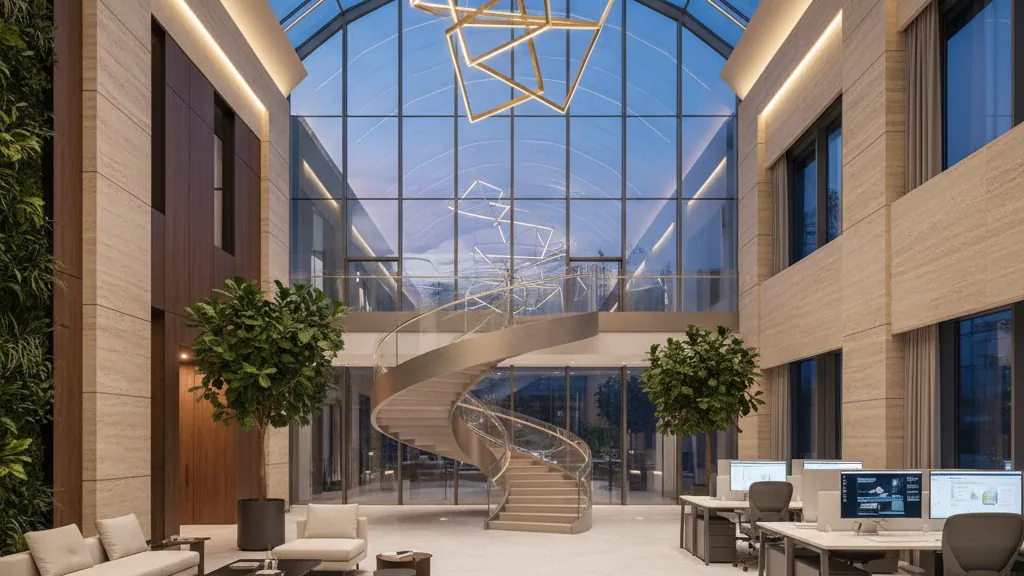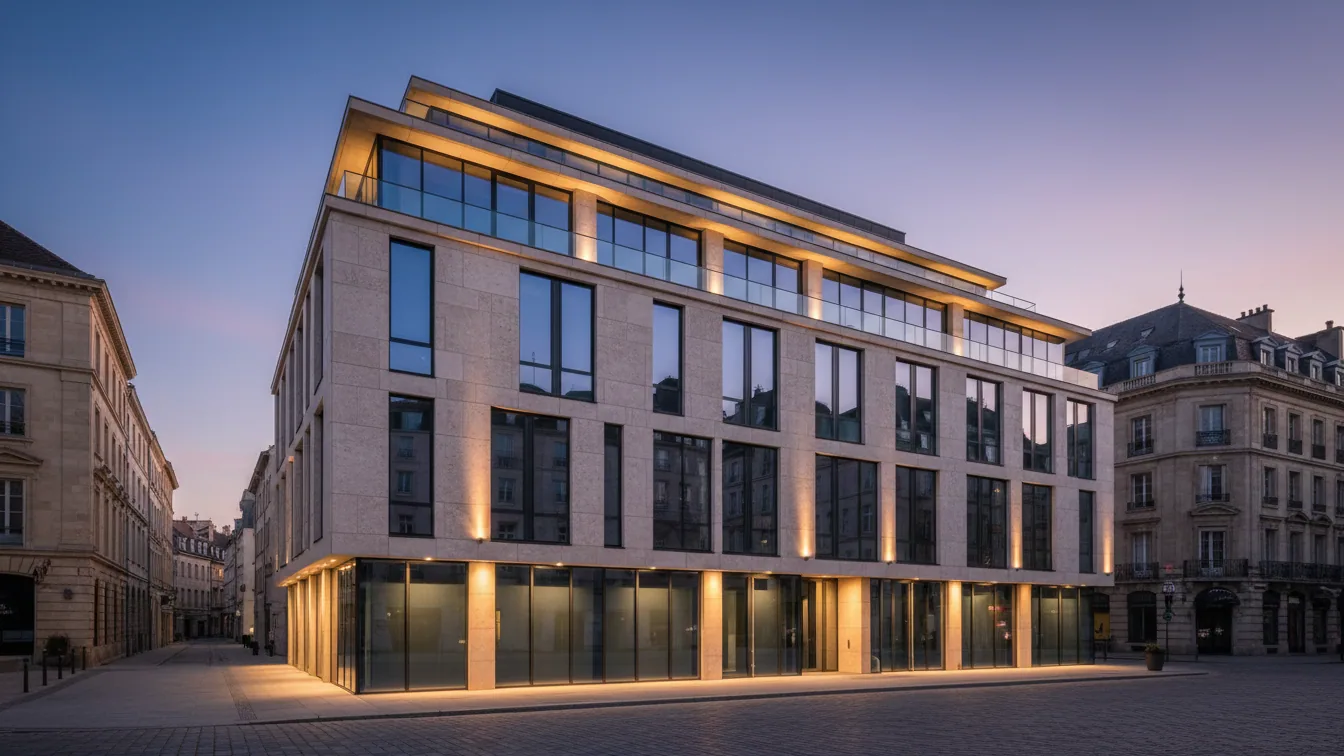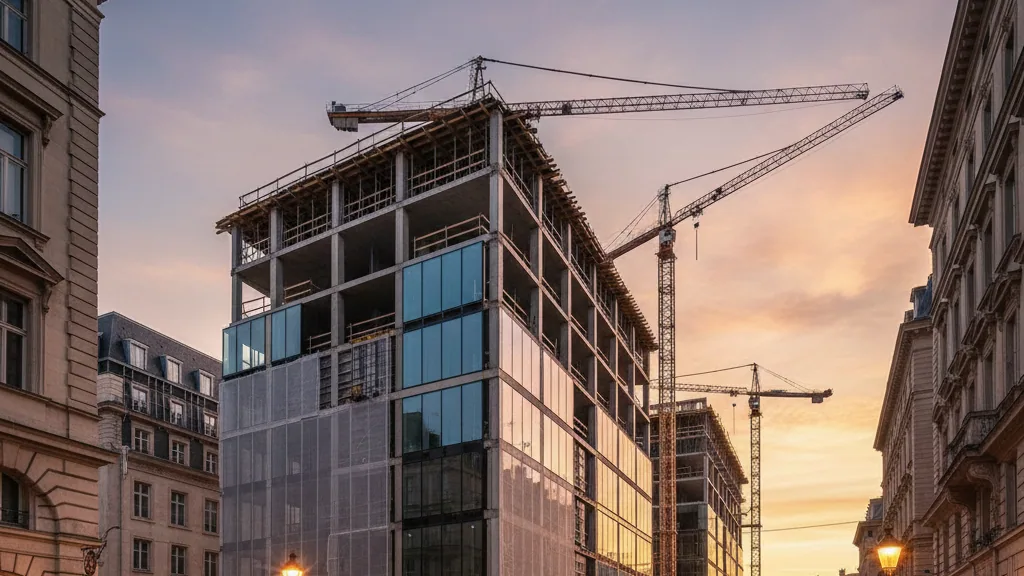
The Kreativ Quartier Potsdam is establishing itself as one of the most important new locations for business and the creative industries in Germany. The site, which covers a total area of around 25,000 square metres, is strategically designed to create an innovative environment that fosters synergies between various sectors. The concept aims to develop an urban milieu where companies and creative professionals can operate collaboratively and benefit from each other.
The development of this quarter reflects a growing demand for integrated work and living spaces that extend beyond conventional office buildings. The focus is on creating an ecosystem that offers suitable infrastructure to established firms, start-ups, and independent creative professionals alike. This includes not only modern workspaces but also zones for exchange and collaboration.
Location-specific features and objectives
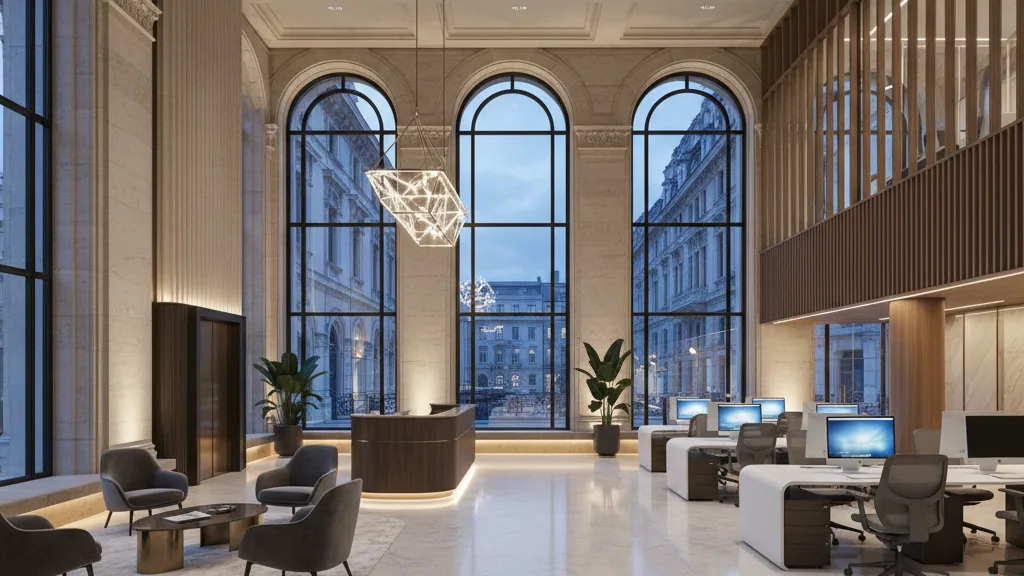
The spatial arrangement and architectural design of the Kreativ Quartier are aimed at ensuring an open yet structured working environment. The plans provide for high flexibility of the spaces to accommodate the varying requirements of tenants. This is crucial for a dynamic environment where needs can change rapidly.
Those responsible for the project emphasise the vision of creating a place that not only enables work but also fosters inspiration and innovation. The interaction of different disciplines is to be intensified through targeted networking and the provision of shared resources. The design of the quarter is intended to stimulate spontaneous encounters and informal exchanges, which often serve as catalysts for new ideas.
Impetus for the regional economy
The realisation of the Kreativ Quartier Potsdam is expected to generate significant impetus for the regional economy. By attracting new companies and creating modern jobs, the project contributes to strengthening Potsdam as an economic location. The appeal of the quarter is also intended to retain skilled workers and attract new talent, thereby securing the region's competitiveness in the long term.
The holistic approach to development considers urban planning aspects as well as integration into the existing urban fabric. The realisation of this project in Potsdam underscores the growing importance of urban innovation centres that not only provide functional spaces but also create quality of life and an identity-forming environment. This development is an example of the transformation of traditional commercial areas into multifunctional and vibrant quarters.