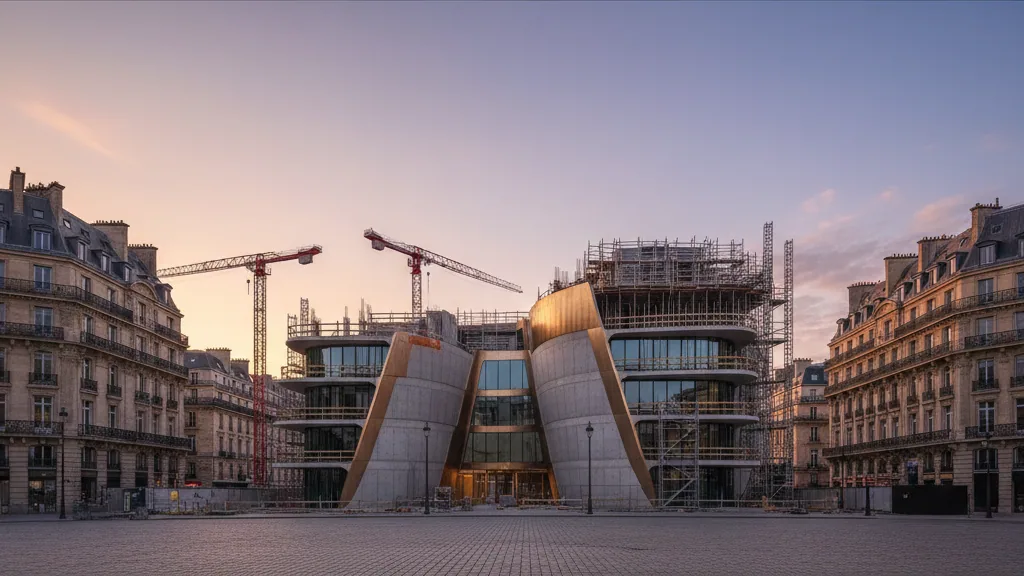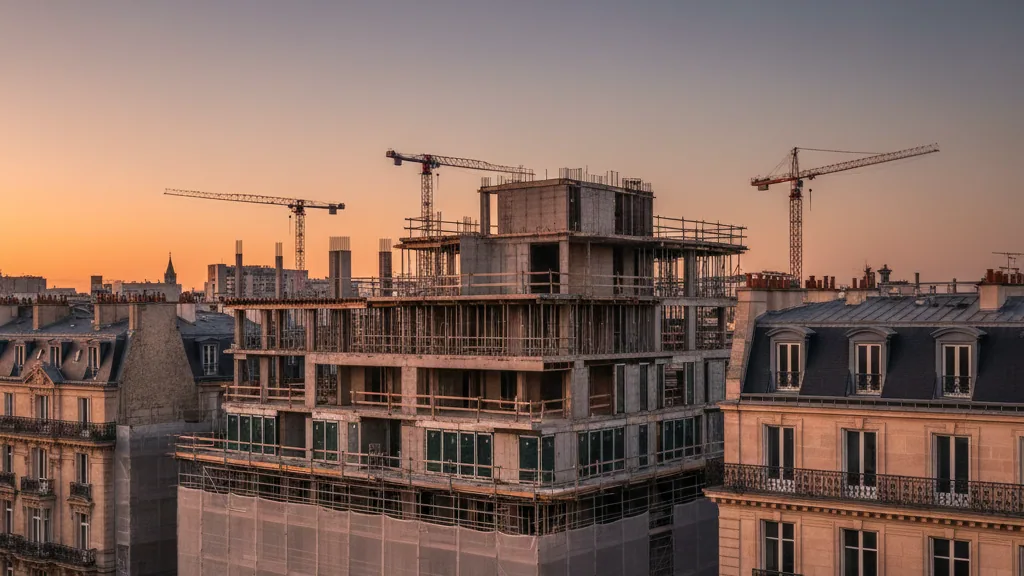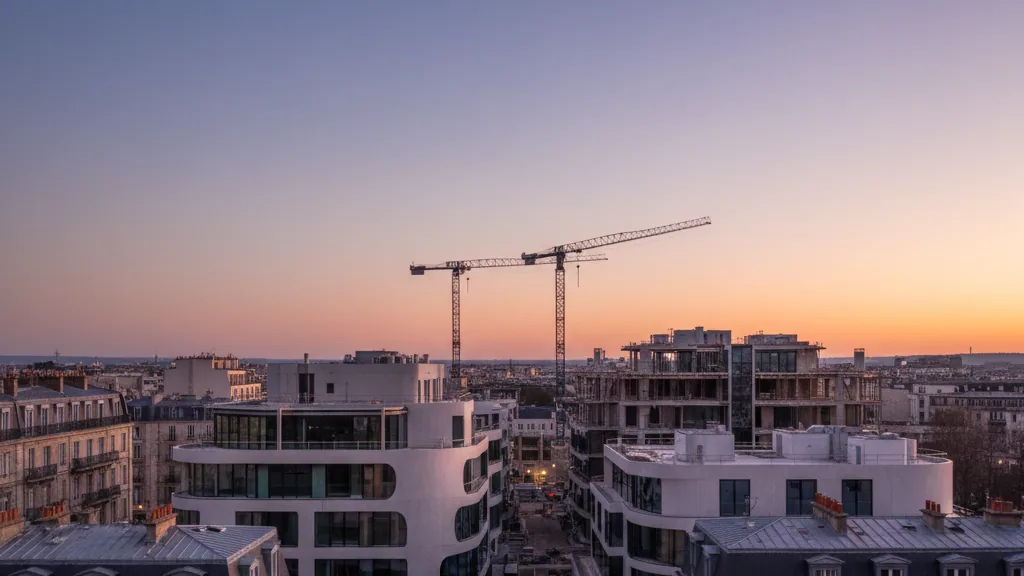
Living in Germany is subject to continuous change, with a look ahead to 2030 revealing clear trends. Forecasts indicate a strong shift towards intelligent, sustainable living solutions optimised by digital innovations. This development aims to simplify the home construction process and enhance the living experience. The integration of cutting-edge technologies promises a new level of ease for builders and residents alike.
The design of living spaces in the coming decade will therefore have to meet not only functional but also ecological and technological demands. At the core is the vision of a connected home that flexibly adapts to the needs of its residents while ensuring reduced resource consumption. This encompasses aspects from energy efficiency to the intelligent control of building services.
Intelligent and Sustainable Construction Methods
A key pillar of future living concepts is intelligent networking within the home. Beyond mere convenience, smart home systems will play a central role in optimising energy consumption and security. Concurrently, the aspect of sustainability is gaining increasing importance. This is manifested in the use of ecological building materials, the implementation of renewable energies, and the development of building concepts that feature a low carbon footprint. The combination of digital control and sustainable construction creates synergies that sustainably increase the value and attractiveness of properties.
Digital support throughout the entire construction process, from planning to completion, enables greater efficiency and transparency. This helps to reduce complexity and offer builders a smoother experience. The linking of artificial intelligence with living concepts allows for better consideration of individual preferences and the provision of tailor-made solutions. As a result, the living space becomes a dynamic system that evolves with its residents.
Potential of Digital Assistance Systems
The role of digital assistance systems goes beyond simple automation. For instance, they can help to proactively optimise energy consumption by analysing weather data, times of day, and user habits. In the area of security, networked systems also offer enhanced possibilities for monitoring and preventive measures. The integration of these technologies represents a paradigm shift that expands the traditional understanding of living and sets new standards for comfort and efficiency.
This development illustrates that the future housing market will not only focus on traditional criteria such as location and building fabric, but increasingly also on the technological equipment and ecological balance sheet of a property. This holistic approach will be equally relevant for owners and potential buyers and will define the requirements for future construction projects.