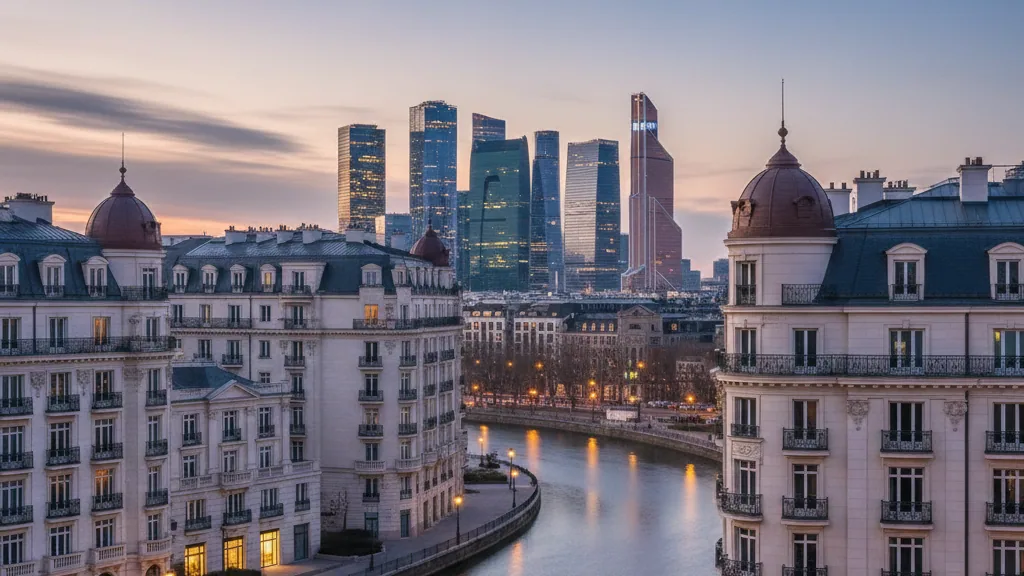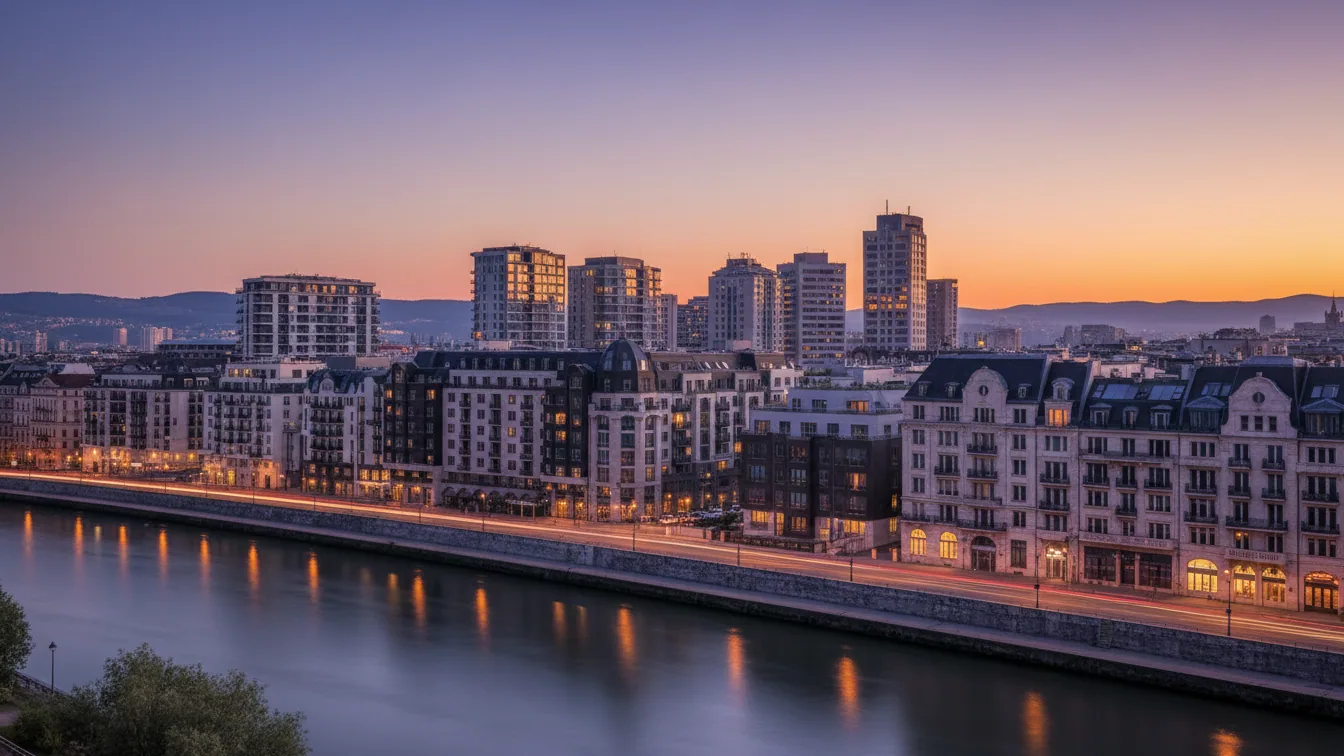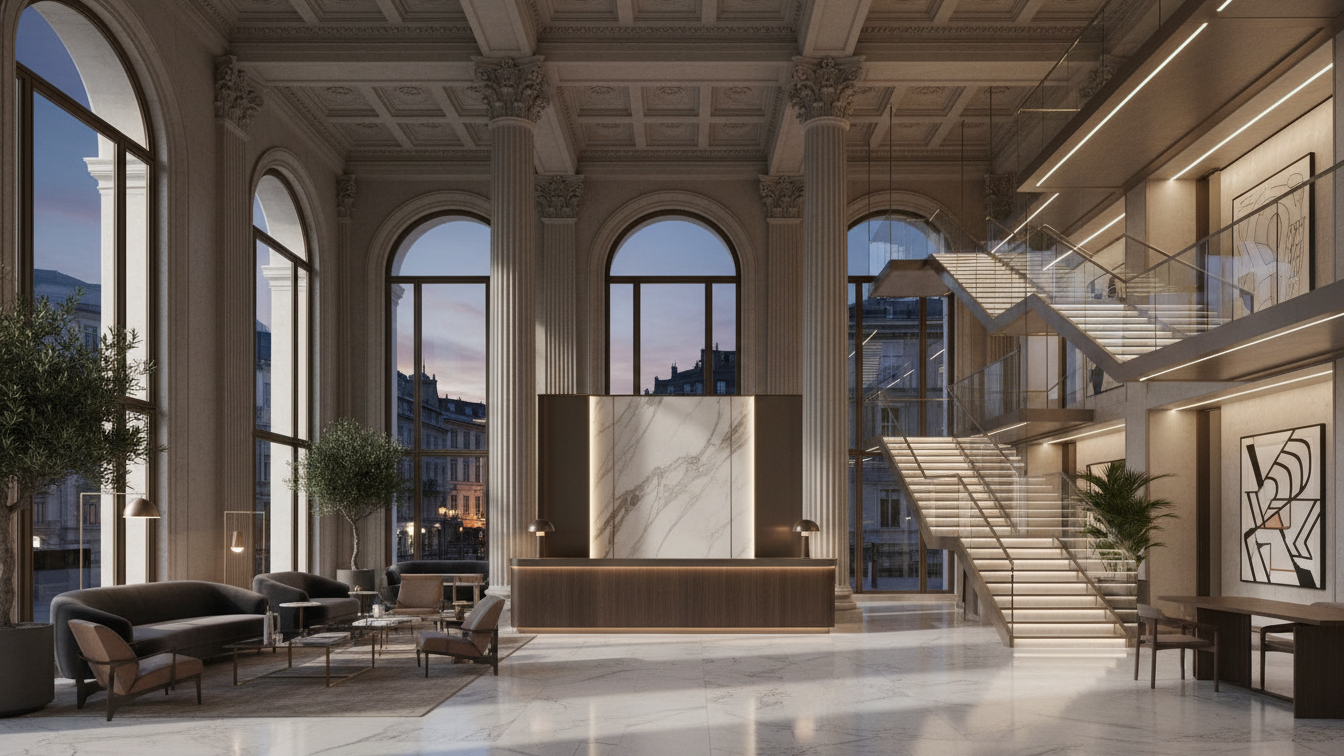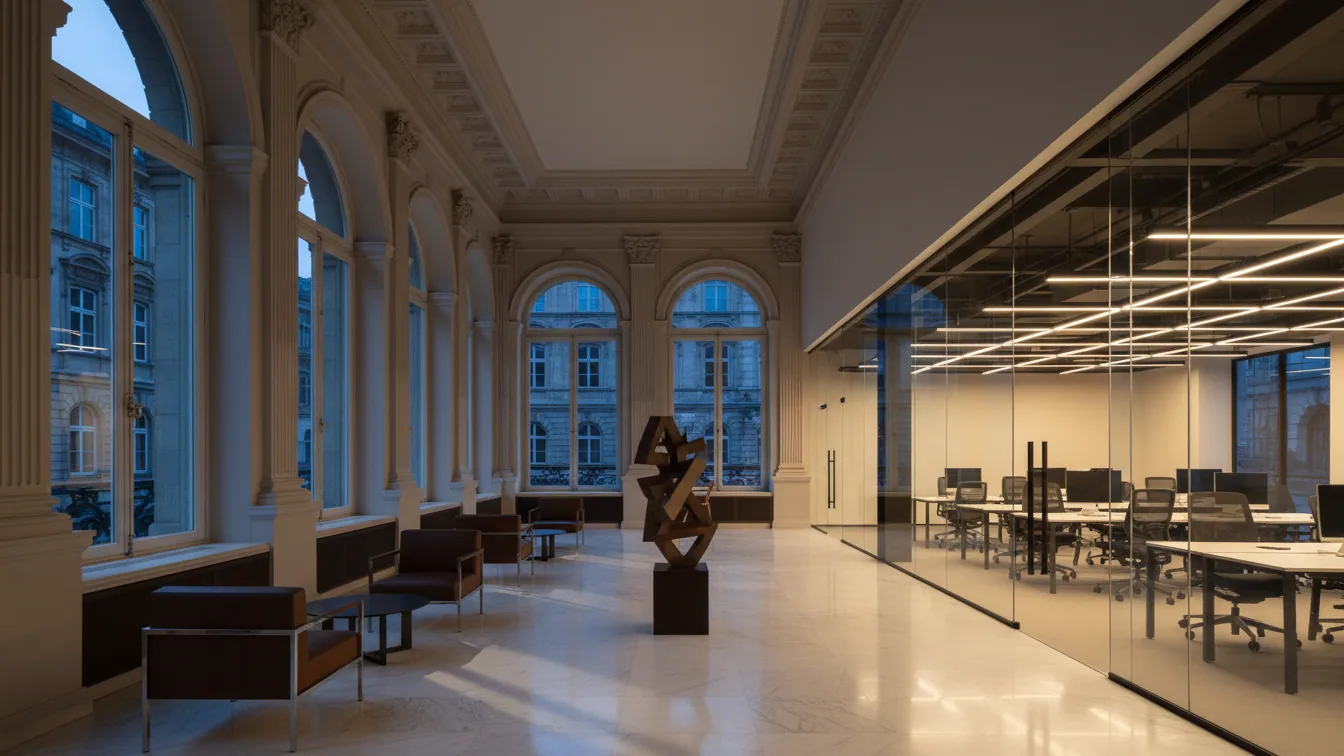
Limehome, a technology-based hospitality operator for design accommodation active in Europe, is continuing its growth and aims to have a total of 25,000 units under contract by 2030. Although financing markets and investor sentiment are currently brightening, interest rates, financing costs, regulatory requirements and the prerequisites for real estate projects remain challenging.
For property owners, the question of how properties can be efficiently operated and positioned even under changed market conditions is therefore gaining importance. Value creation thus results not exclusively from project development, but increasingly from the quality of operations. An experienced team, efficient processes, and targeted investments in usage quality contribute to sustainably increasing the operational value of a property, even beyond short-term market cycles.
For Limehome, the strategic priority is not the fastest possible acquisition of numerous locations. Rather, it is crucial to bring together capital, property, and demand in the hospitality sector in a viable constellation. Regardless of whether it is an existing building conversion, a mixed-use property, or a new build, location, demand, regulatory frameworks, and a viable operator concept are decisive for Limehome. The company can adapt its standardised serviced apartment concept to various circumstances and thus expand specifically where economic conditions are favourable.
Diversification as a growth strategy
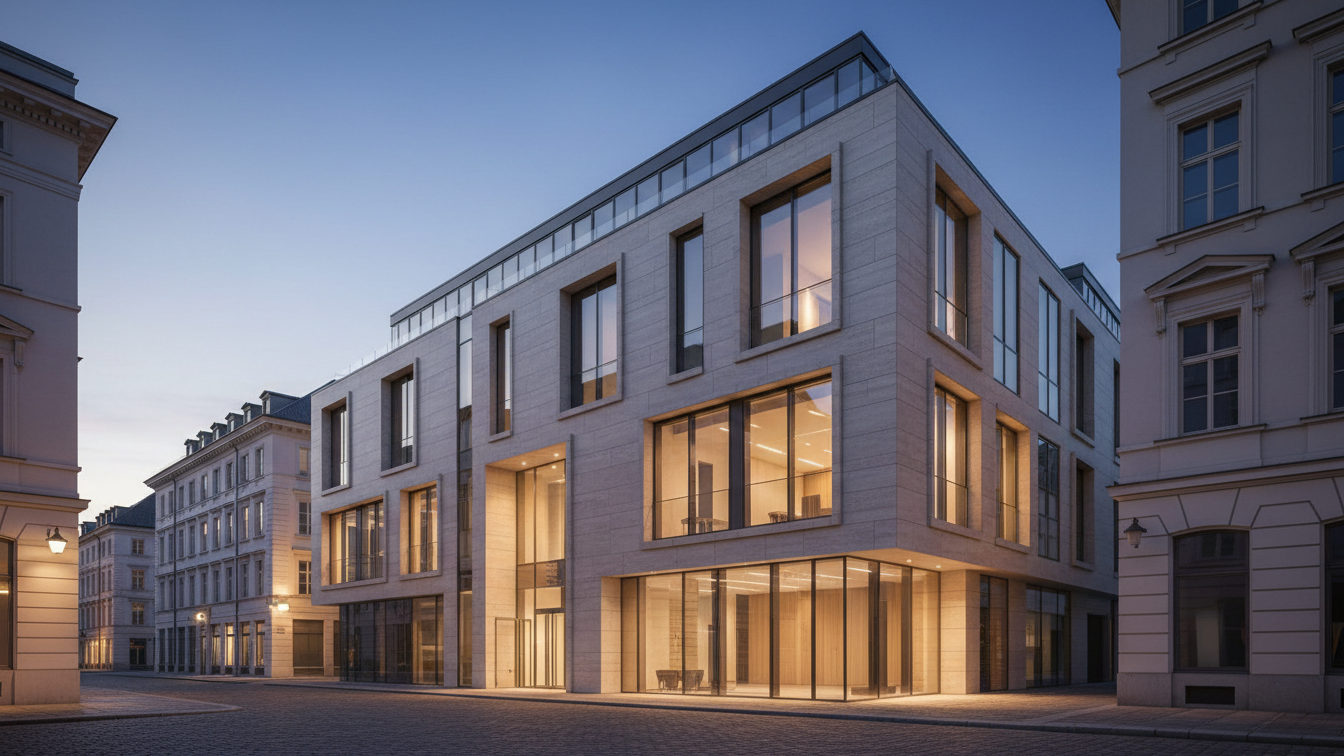
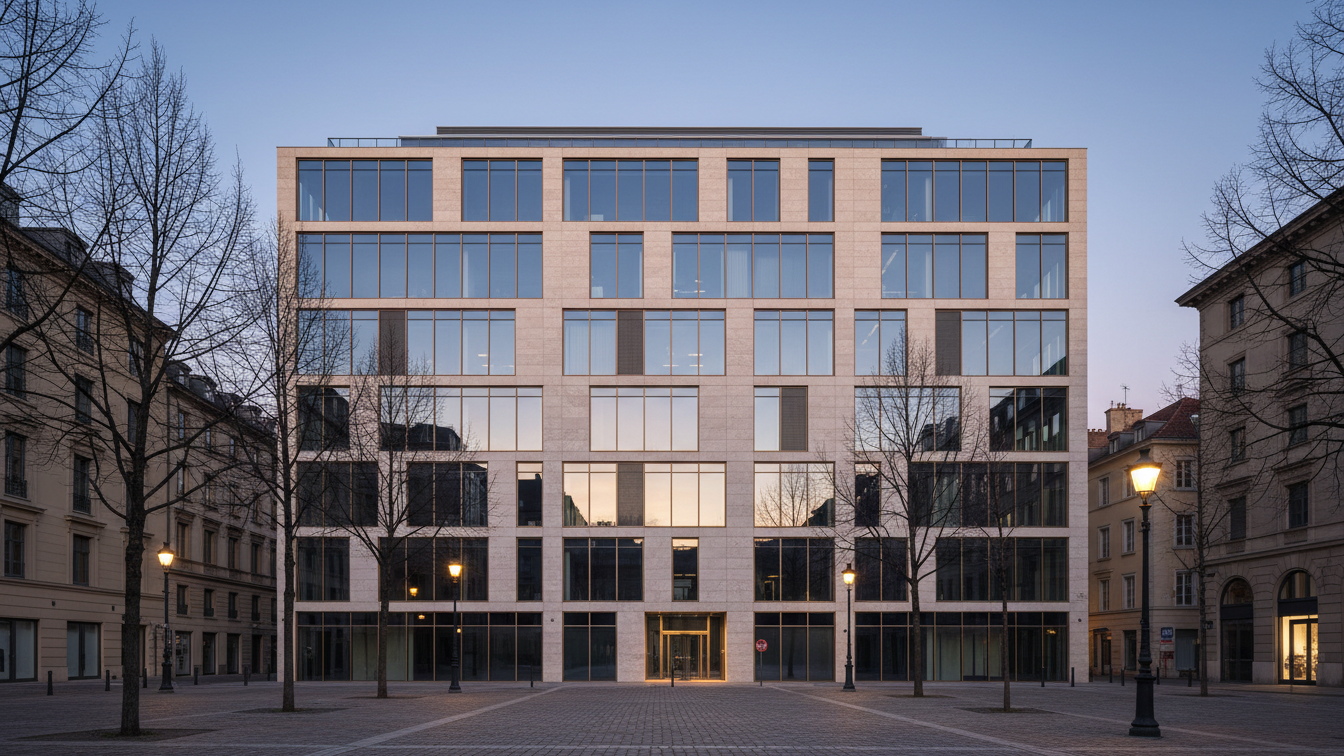
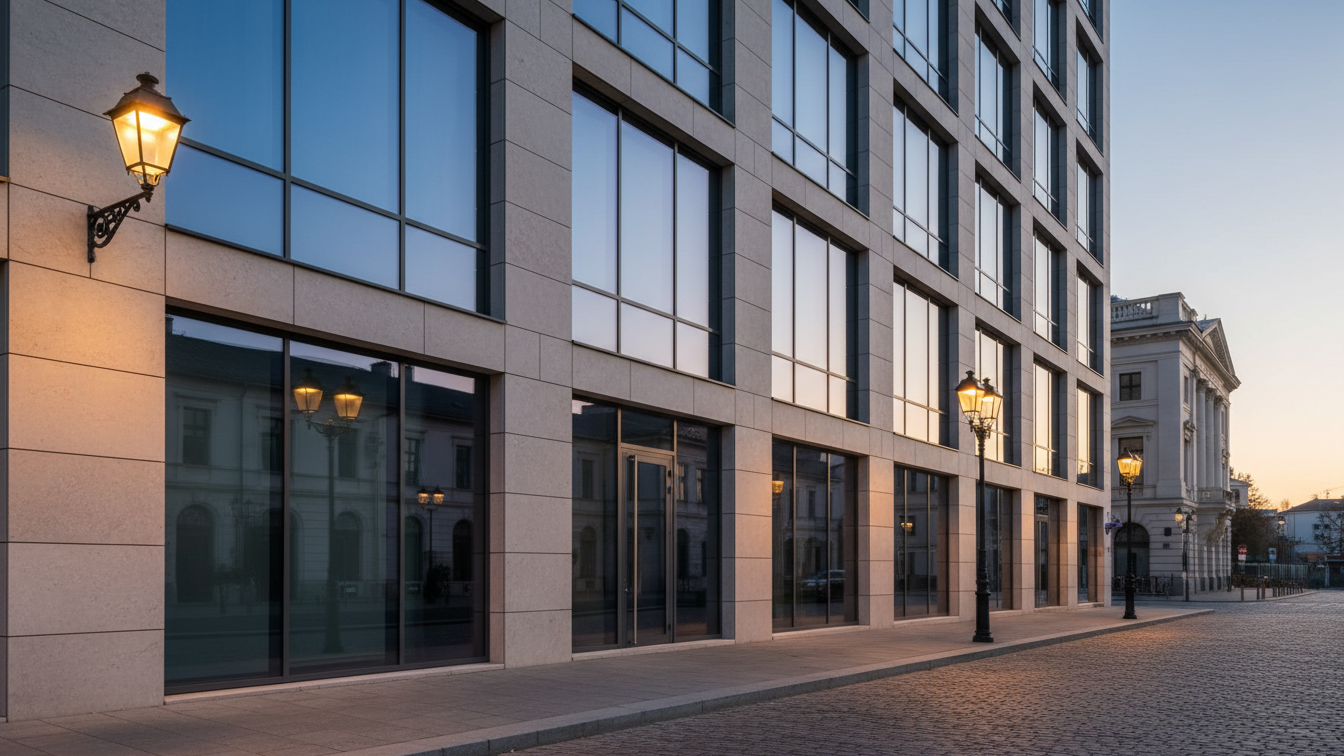
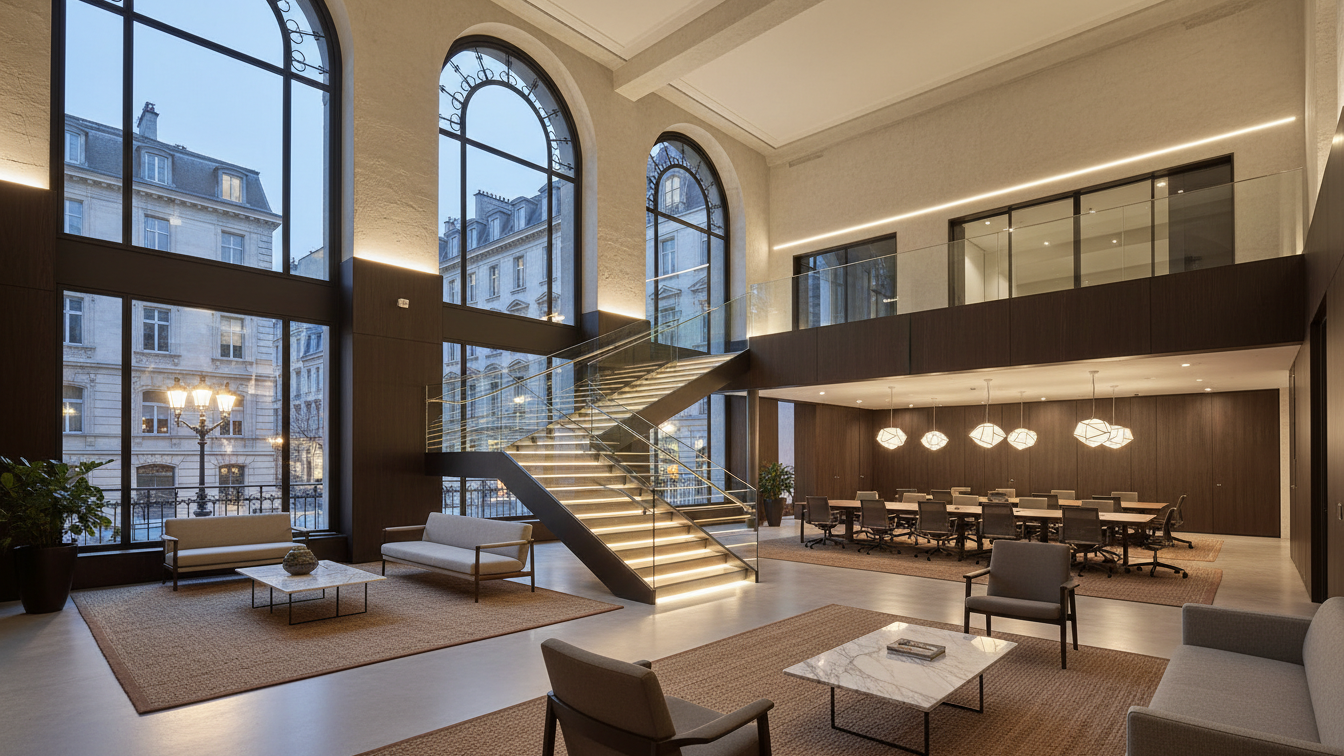
The concrete implementation of this growth logic is evident in various project examples. These projects are characterised by their diverse nature, which underscores the agility of the concept. The range extends from an existing building conversion in Berlin to the revitalisation of a historic building in Bremen's Old Town and a mixed-use project in Lugano, to a new build on Sylt.
- —In Klosterstraße in Berlin-Mitte, a former office building by project developer Trockland – now part of the Mixed-Use-Quartier Sixty2 – was converted into serviced apartments by Limehome. The repurposing of existing buildings is an attractive alternative to new build projects in densely populated regions.
- —In the historic Kontorhaus, the centre of Bremen's Balgequartier, Limehome is opening 82 units. This conversion combines the revitalisation of a historic building that shapes the cityscape with a modern hospitality use.
- —In Lugano, 80 units are being created in a formerly privately used office building. The project, which combines hospitality with office space and public facilities, was realised by the property company Mondo and advised by DIH Solutions GmbH.
- —On Sylt, a new build with 78 units is being realised. On the island's property market, careful site selection and the economic viability of the project are crucial factors.
Dr. Josef Vollmayr, co-founder and co-CEO of Limehome, emphasises that while the market is becoming more agile again, this does not mean that every property project is feasible. Therefore, careful selection is more important than ever. The targeted growth to 25,000 units by 2030 is based on bringing suitable locations and partners together with the company model. He notes that the diversity of projects in Berlin, Bremen, Lugano, and Sylt demonstrates the flexibility of the Limehome model and underscores the need for precise selection.
Cooperations with institutional partners
Cooperation with institutional property owners is also intensifying. In the first half of 2026, Limehome signed a lease agreement with Aroundtown, bringing the hospitality concept into the "HAT64 Skyline Atlas" project in Frankfurt. There, Aroundtown is converting former office spaces into 86 serviced apartments. Together with Baltisse Real Estate, 114 serviced apartments are being created in Brussels' European Quarter through the conversion of an existing hotel. In Milan, Limehome was selected by Colliers Global Investors Italy SGR as the sole tenant for 30 units in a new build project.
Vollmayr explains that the digitised and centralised model not only makes the company more profitable with each new location, but also increases the value of partner properties. Since systems and structures have already been developed for 25,000 units and not separately for each location, investments in technology and processes pay off twice over: for corporate growth and for the operational value of the property itself. Limehome will present its current project pipeline and its further developed Suite concept at Expo Real 2026 (Stand A1.340) and hold discussions with existing and potential property partners about further projects in European markets.