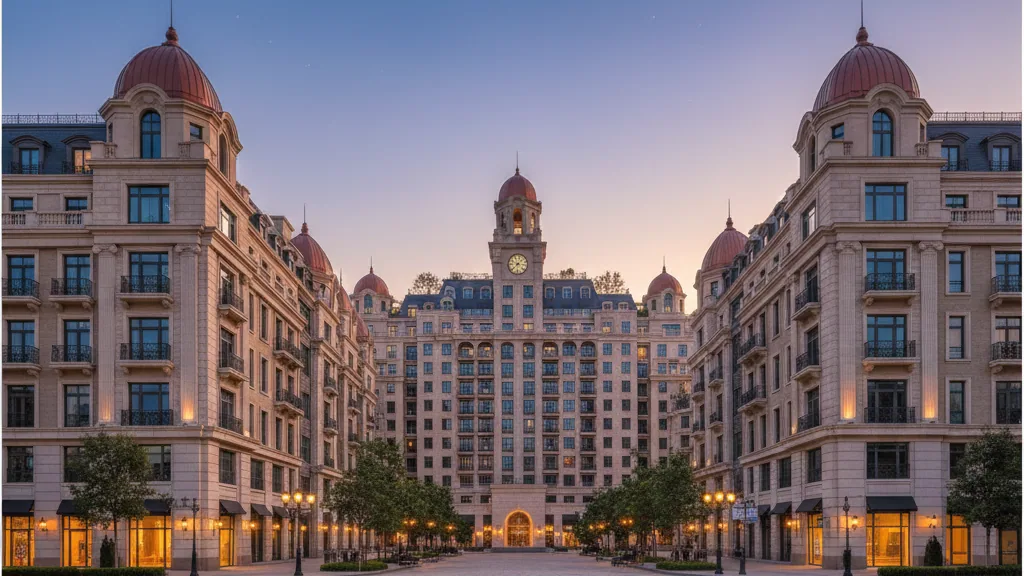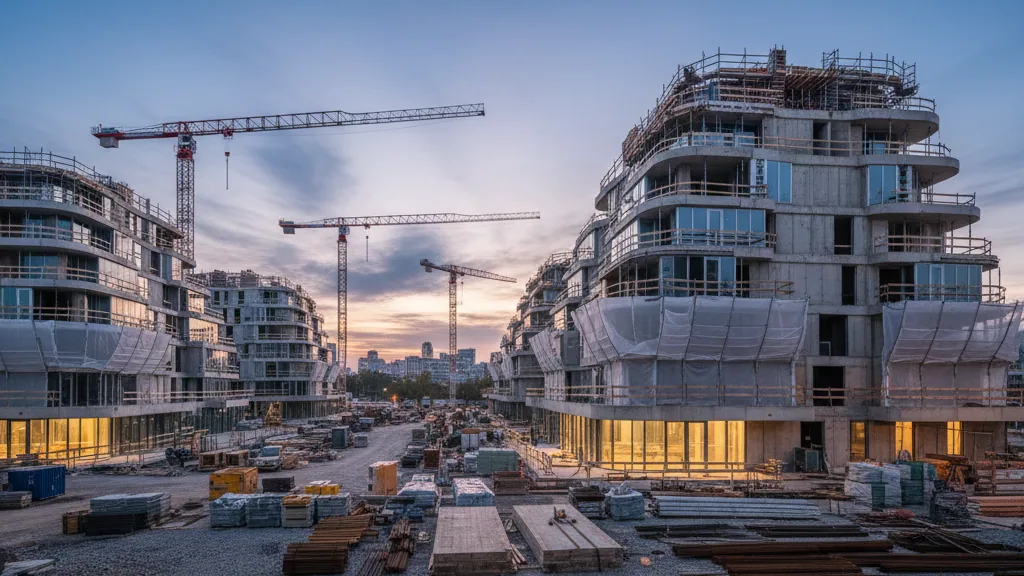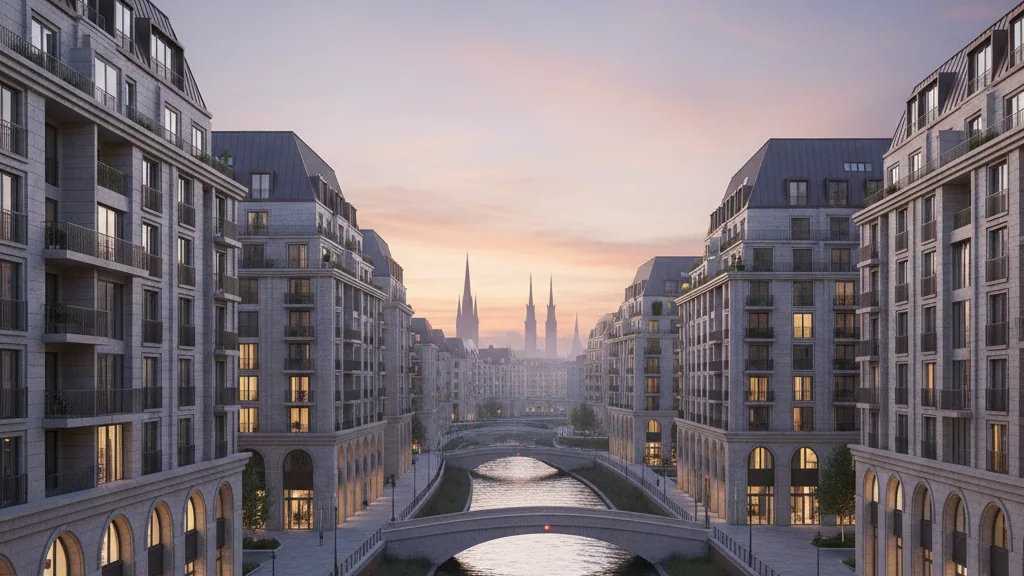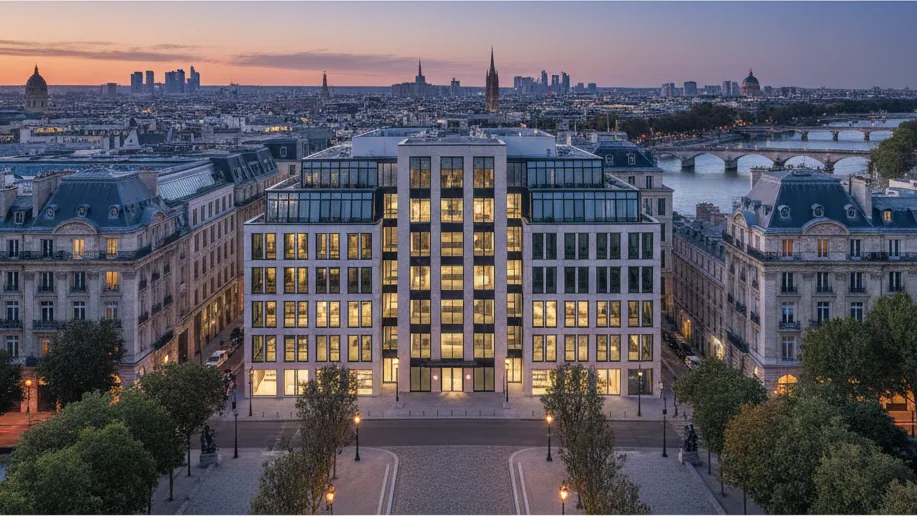
The development of real estate projects in cooperation with faith communities is gaining significance in Southern California. Churches and other religious institutions there possess unused land in regions urgently requiring additional housing. Logos Faith Development enters into partnerships with these institutions instead of directly acquiring the land. The company utilises these properties to develop residential projects with mixed-income groups and affordable housing.
Martin Porter, CEO of Logos Faith Development, explains this strategy. The aim is not only to realise urgently needed housing units but also to create added value for the religious partners. Through the joint use and development of the land, these institutions can benefit from the proceeds, while simultaneously contributing to solving the housing crisis.
An Innovative Approach to Land Utilisation
Logos Faith Development's model represents an innovative way to activate dormant or underutilised land. These properties, often strategically located in established communities, offer significant potential for creating new housing. Instead of complex property transfers, a partnership model is preferred, considering the long-term interests of both parties.
This enables faith communities to expand their social missions while strengthening their financial foundations. The projects focus on a balanced mix of market-rate housing and units affordable for low- or middle-income households. This approach helps to maintain and promote social diversity within the communities.
Advantages for All Parties Involved
Martin Porter emphasises that this type of collaboration not only accelerates housing development but also enables more sustainable urban development. Communities benefit from an increase in housing supply, and religious institutions gain new revenue streams that they can, in turn, reinvest into their community work. This creates a cycle that is both economically and socially beneficial.
- —Strategic use of unused church land.
- —Creation of affordable and mixed-income housing.
- —Financial strengthening of faith communities.
- —Promotion of sustainable urban development in Southern California.