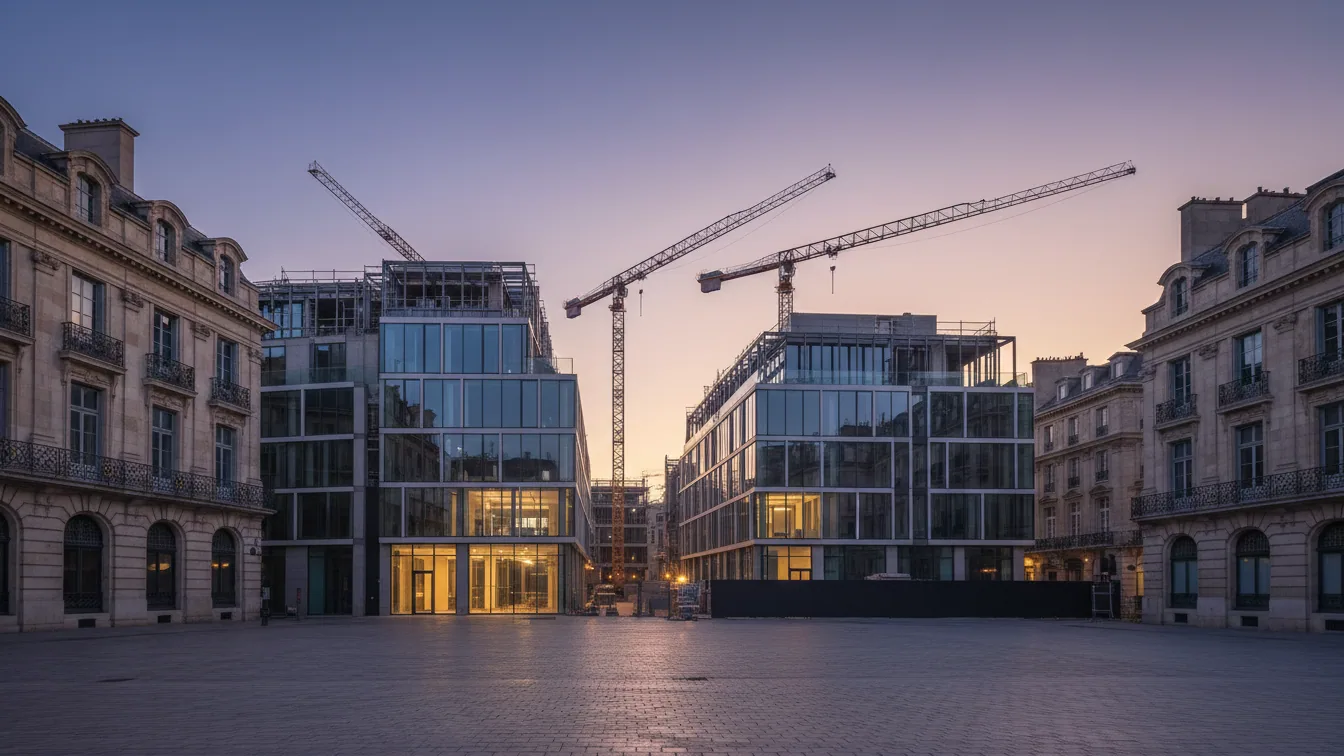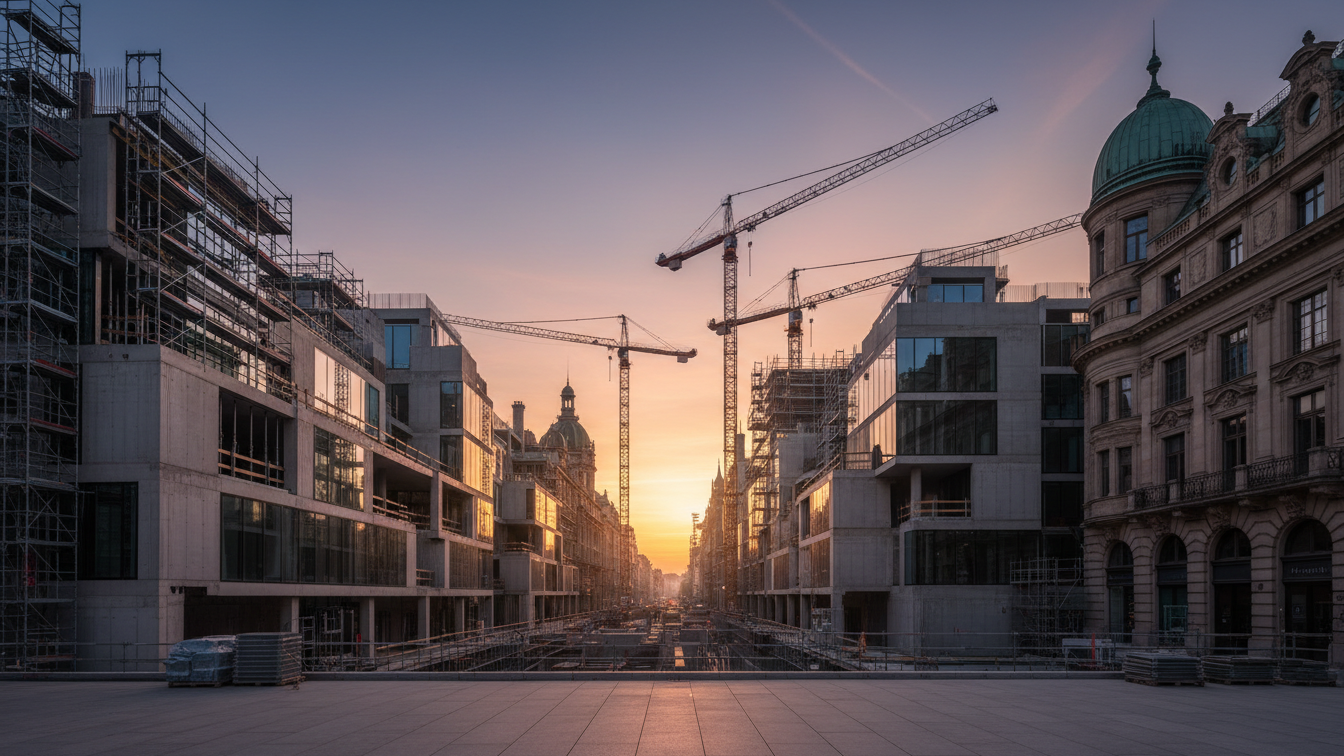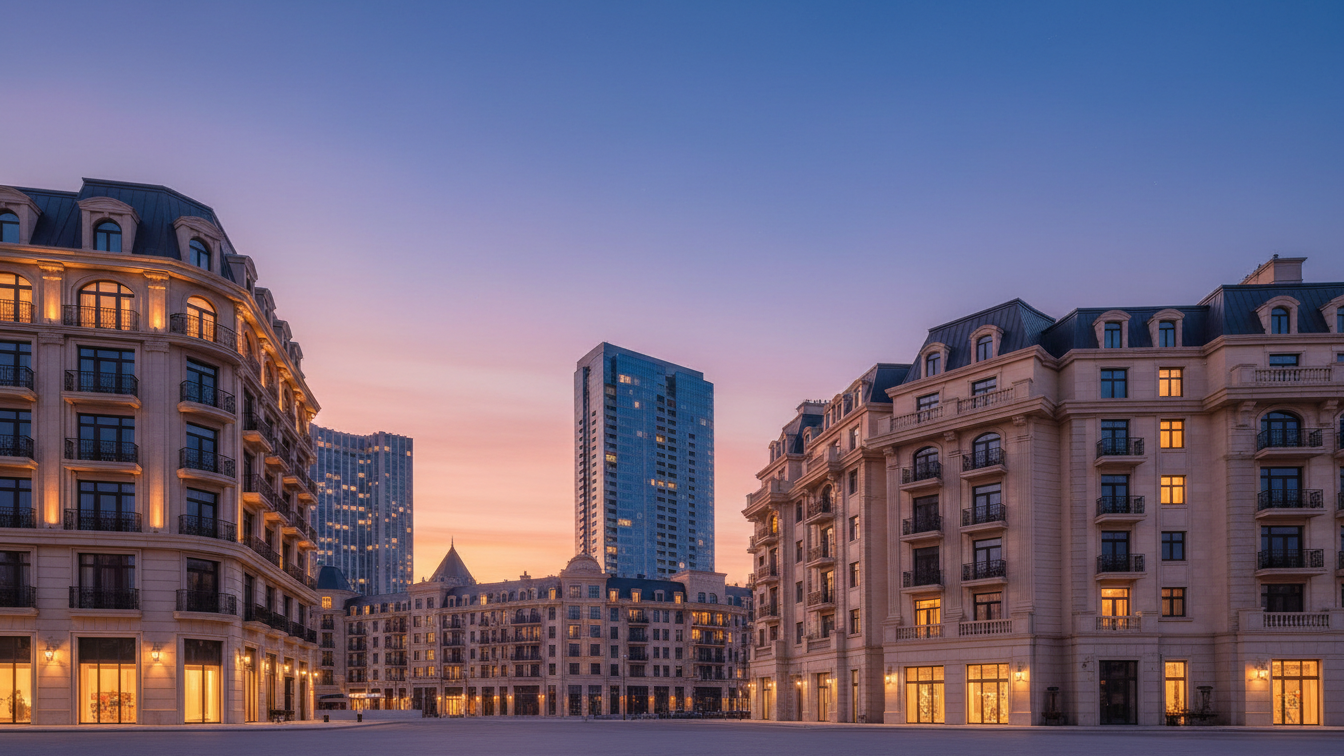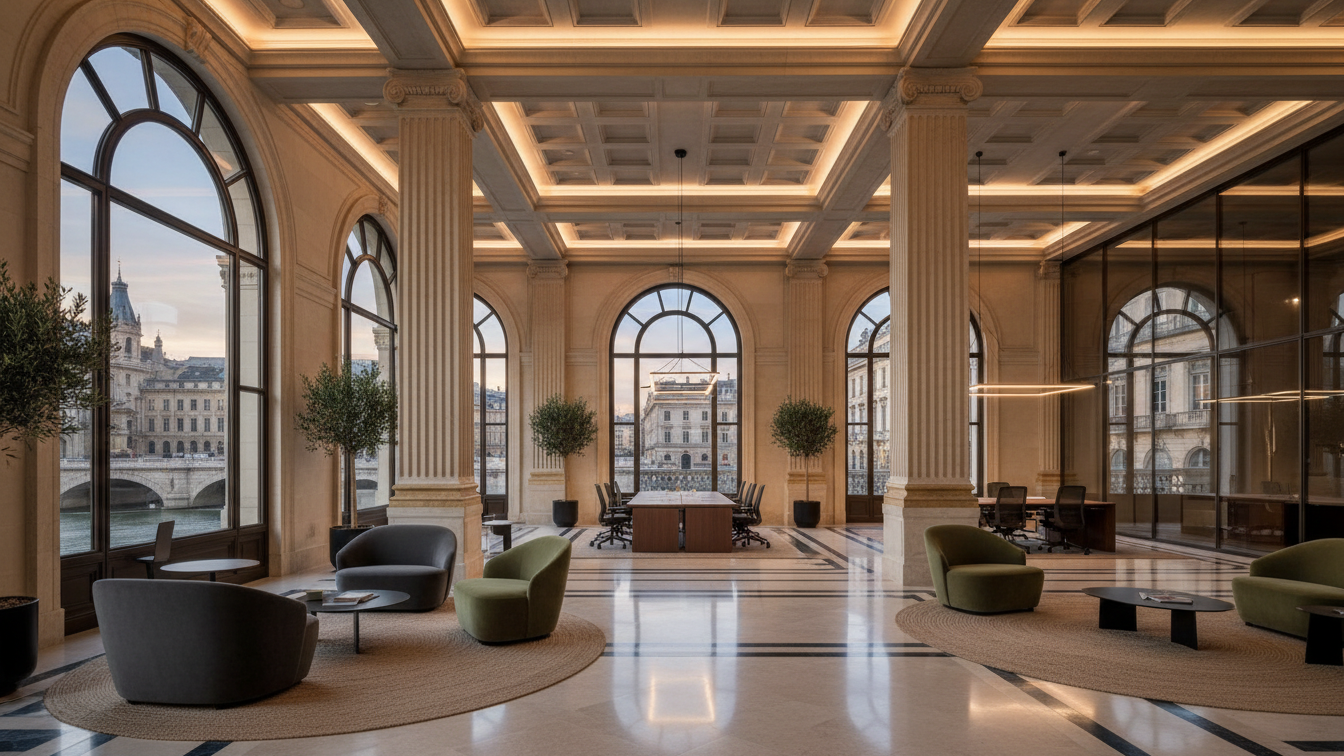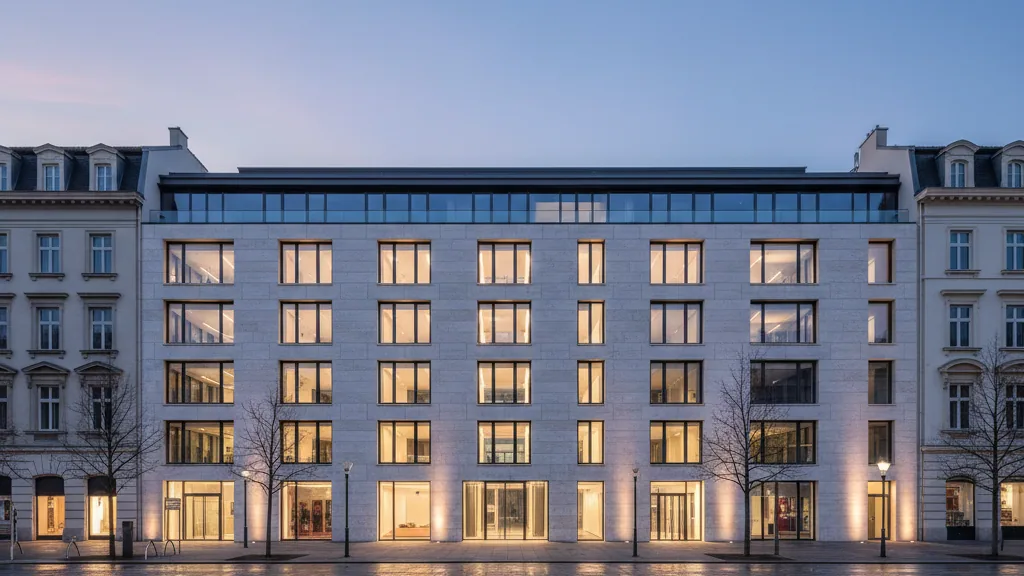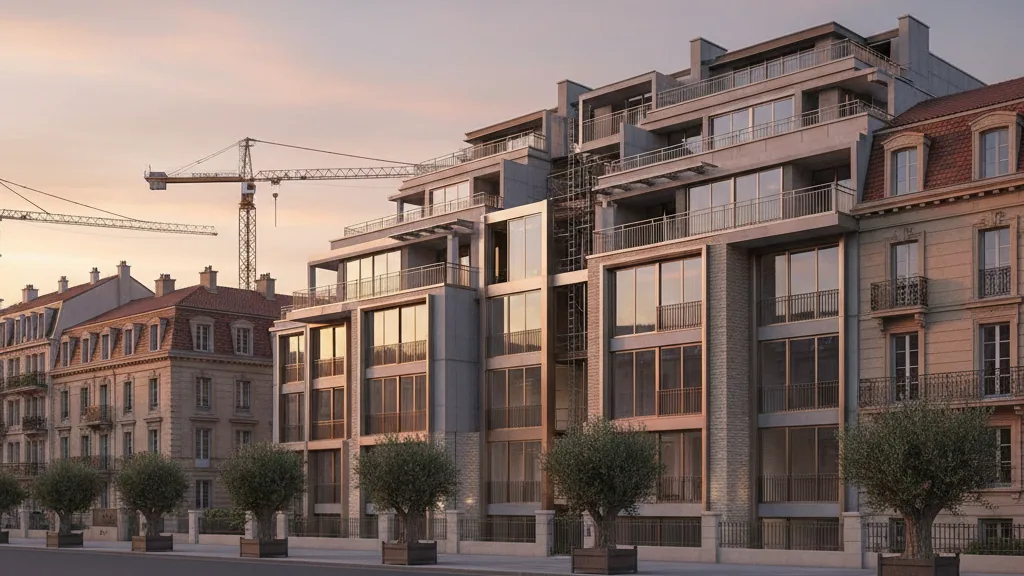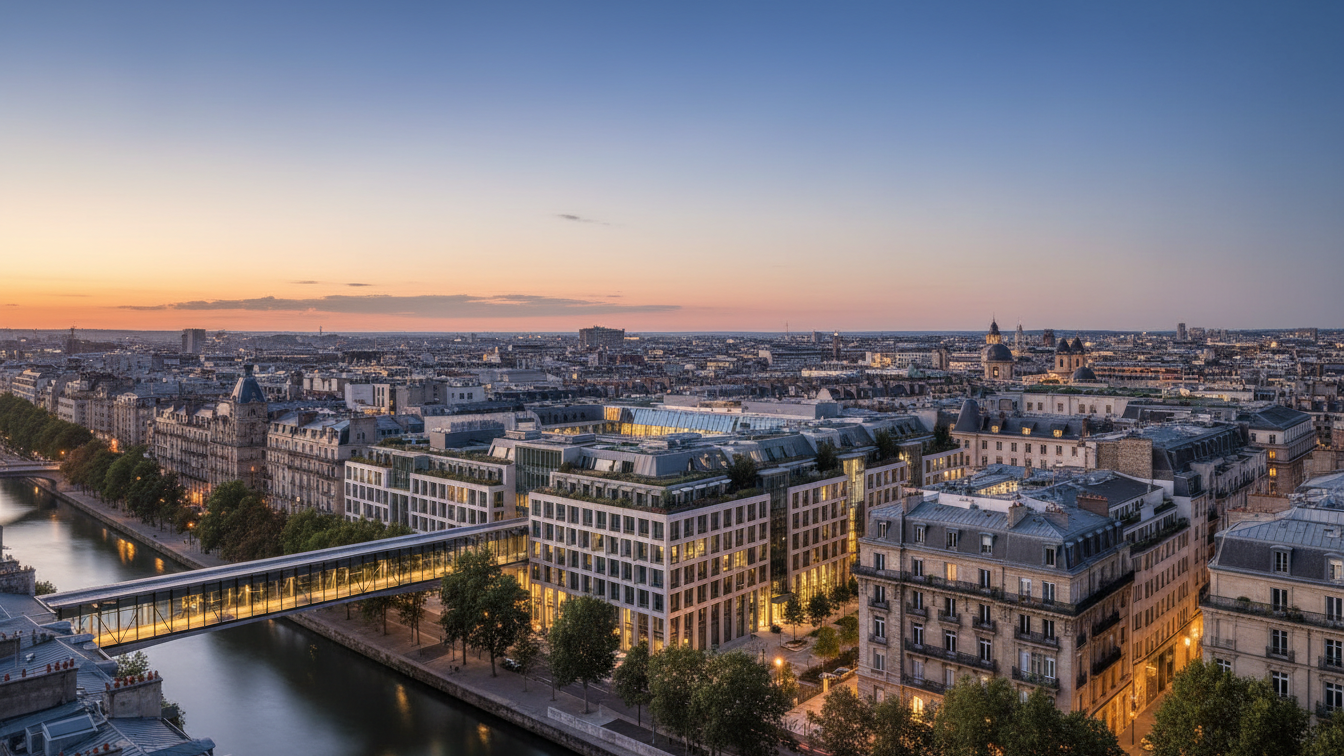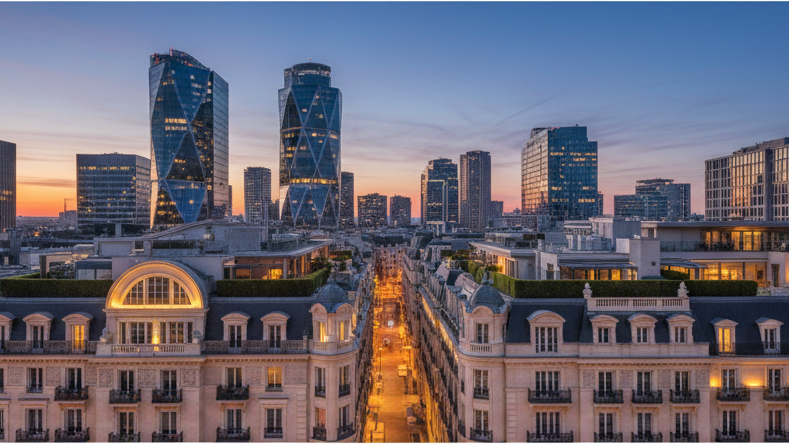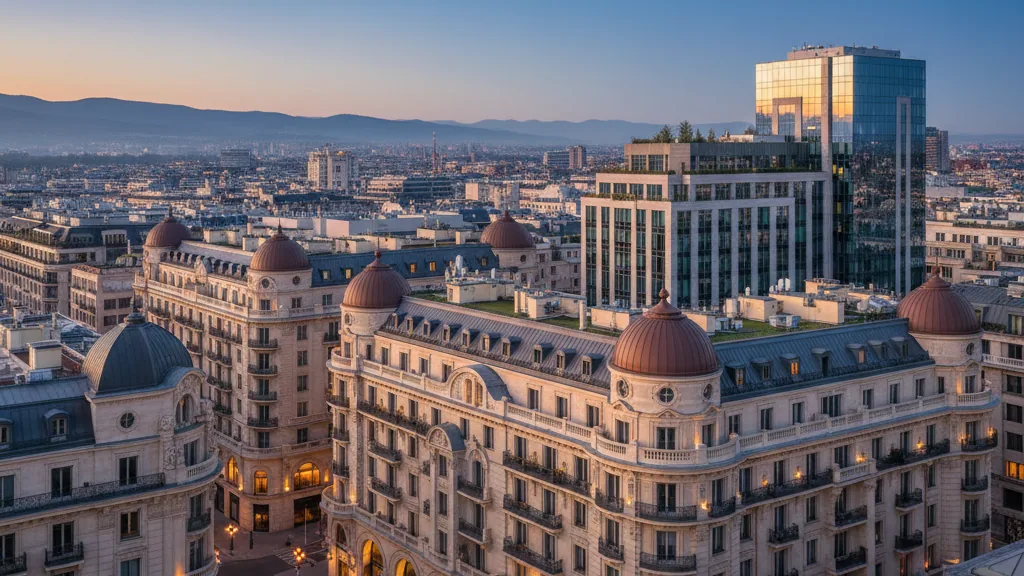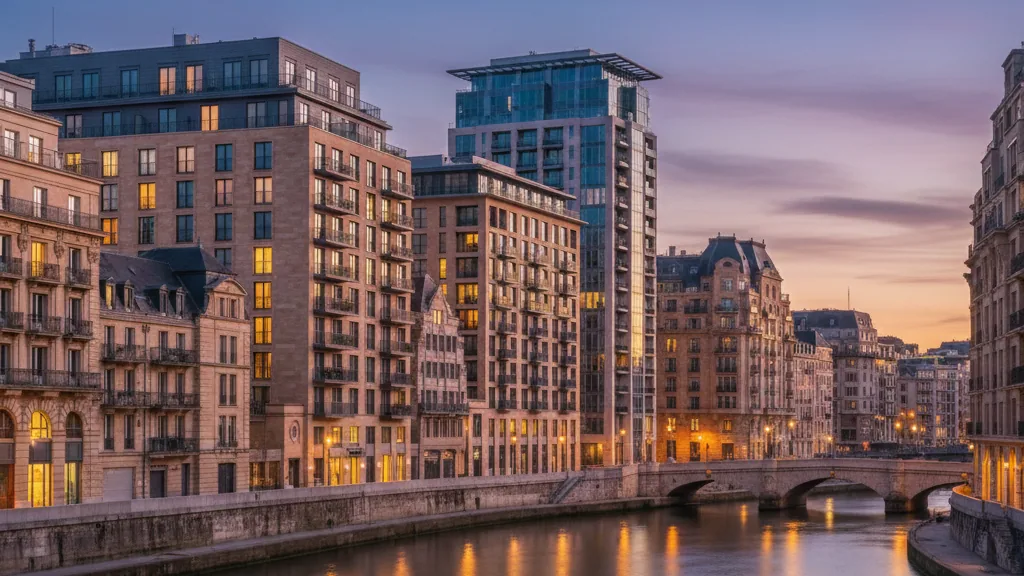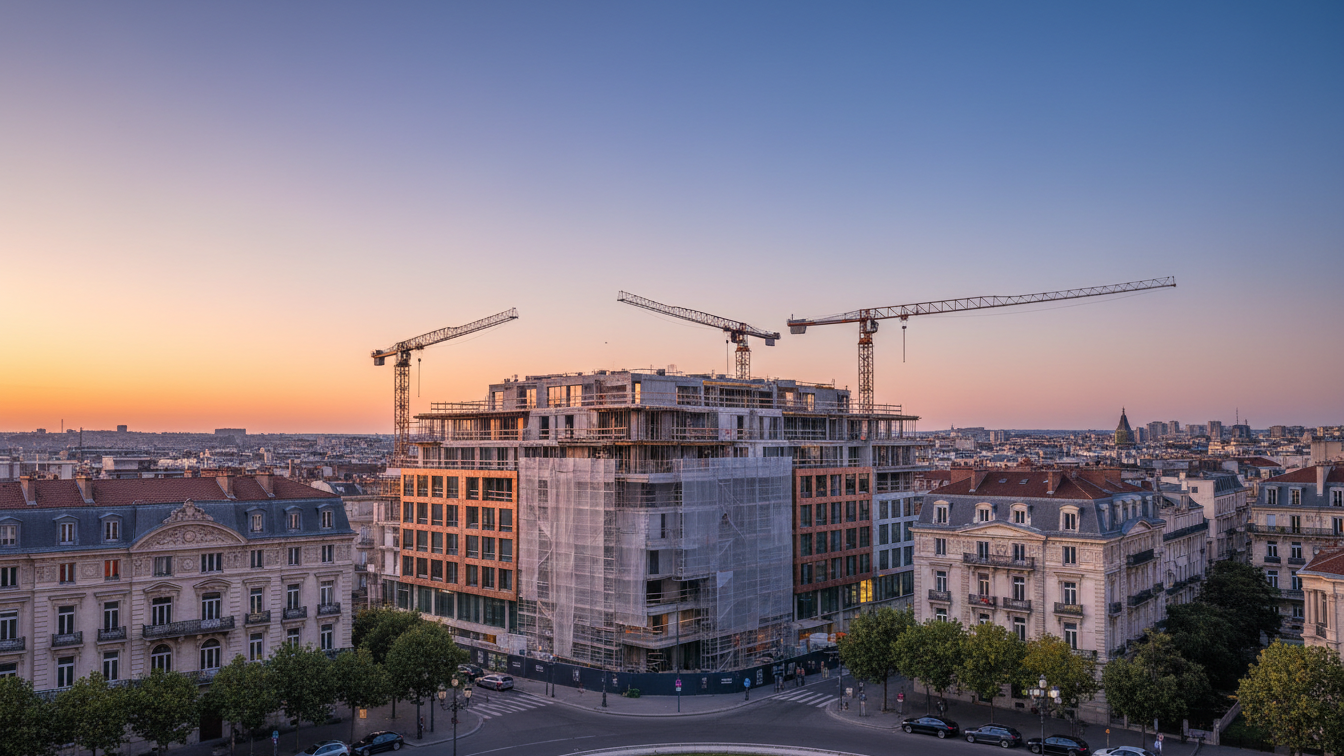
The Sahle Wohnen corporate group is further expanding its activities in the Rhine-Neckar region and delivering a new residential scheme in Ludwigshafen. As part of the socio-ecological Heinrich-Pesch-Siedlung neighbourhood development, 47 publicly subsidised housing units are being constructed. The total investment volume for the construction measure stands at approximately EUR 13.1 million.
To finance the scheme, Rhineland-Palatinate Building Minister Sven Teuber and Sandra Baumbach, member of the management board at Investitions- und Strukturbank Rheinland-Pfalz (ISB), presented a funding notice for EUR 10.7 million to Friederich Sahle, managing partner of Sahle Wohnen. The new-build project is intended to make a measurable contribution towards easing pressure on the strained regional housing market.
Differentiated rent restrictions and social infrastructure
The housing allocation is divided into two funding tiers. For 31 units targeted at low-income households, rent restrictions will apply for a period of 30 years. The rent has been fixed at EUR 7.45 per square metre. A further 16 units are available to middle-income households. For this segment, rent is set at EUR 8.45 per square metre with a binding period of 20 years. In addition to the living spaces, a separate communal room is being created in the neighbourhood to foster interaction among residents.
Creating vibrant neighbourhoods forms a core element of Sahle Wohnen's corporate philosophy, which the portfolio owner already implements at more than 40 locations across Germany. Friederich Sahle emphasised during the handover that contemporary living space must unite social responsibility and sustainability. Building Minister Sven Teuber also stressed that affordable housing provides essential security, and that the funding deliberately strengthens families and individuals on low and middle incomes.
EH 40 efficiency standard and sustainable energy concept
In structural terms, all apartments are being realised in line with the ambitious EH 40 energy efficiency standard. This standard reduces the demand for space heating and hot water to a minimum, leading to ecological advantages as well as permanently low operating costs for tenants.
- —Technology combination comprising photovoltaics, district heating and hydrogen
- —Integration of charging infrastructure for electric mobility
- —Traffic calming of the residential area via decentralised neighbourhood parking garages
- —Preservation of open spaces for social interaction within the neighbourhood
The overall technical concept of the Heinrich-Pesch-Siedlung interlinks a diversified energy supply with a modern mobility plan. By concentrating stationary traffic in neighbourhood parking garages, the immediate residential environment remains largely car-free, significantly enhancing the quality of outdoor spaces.