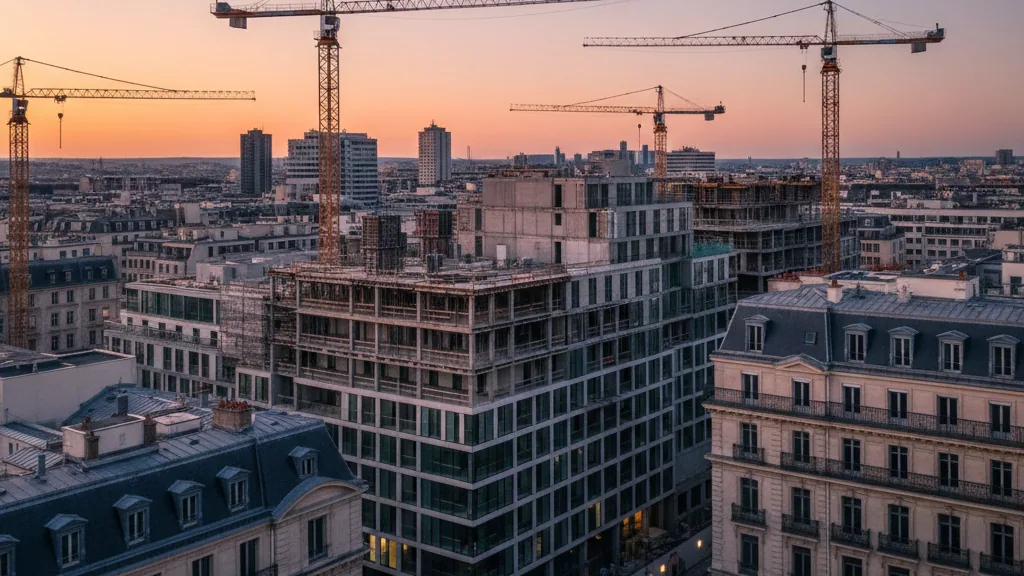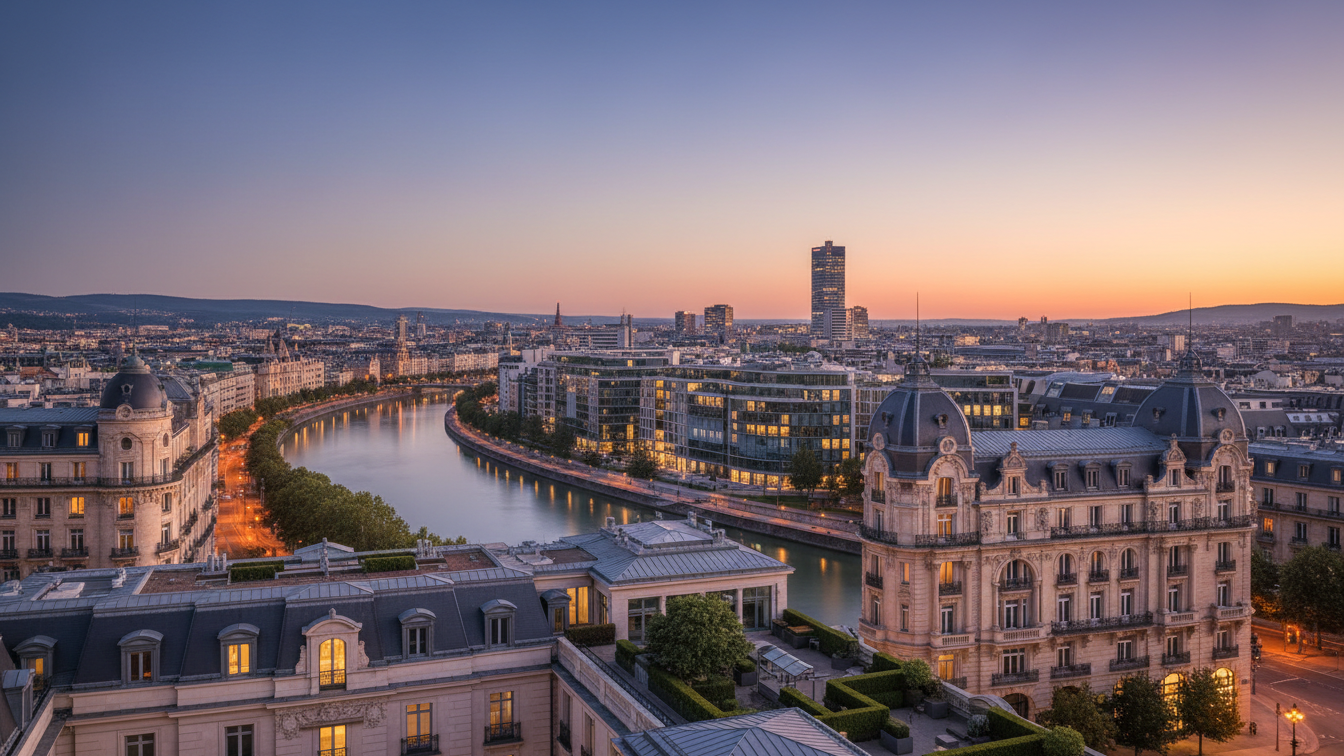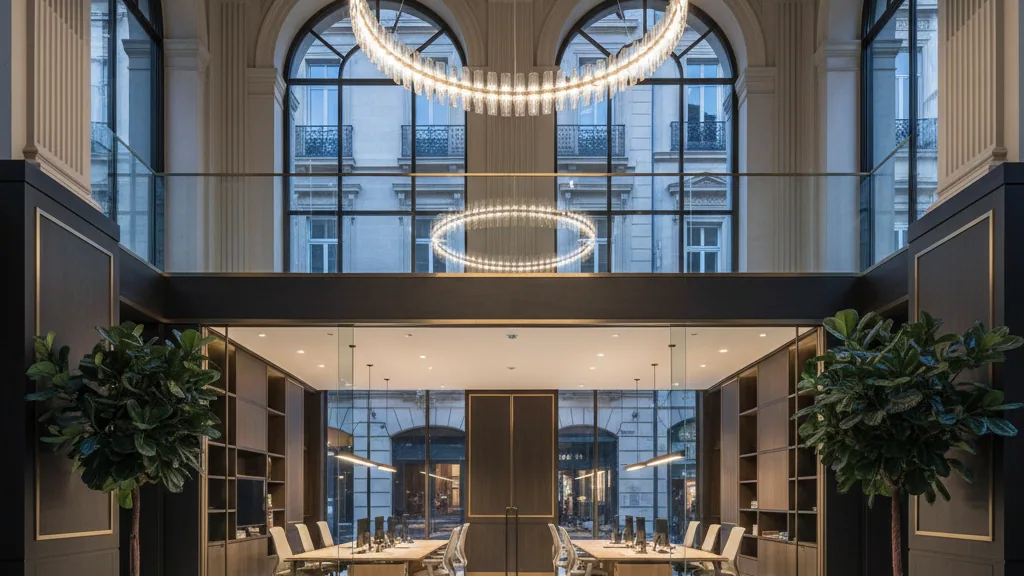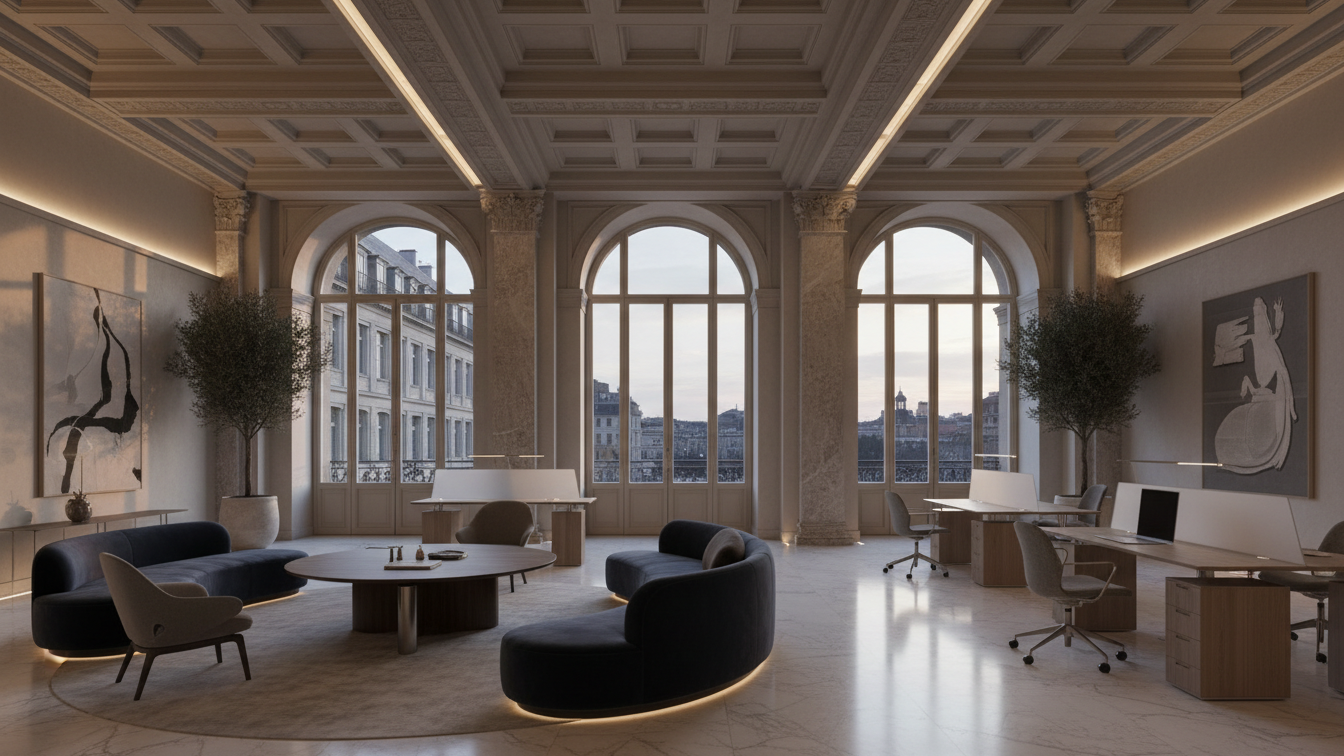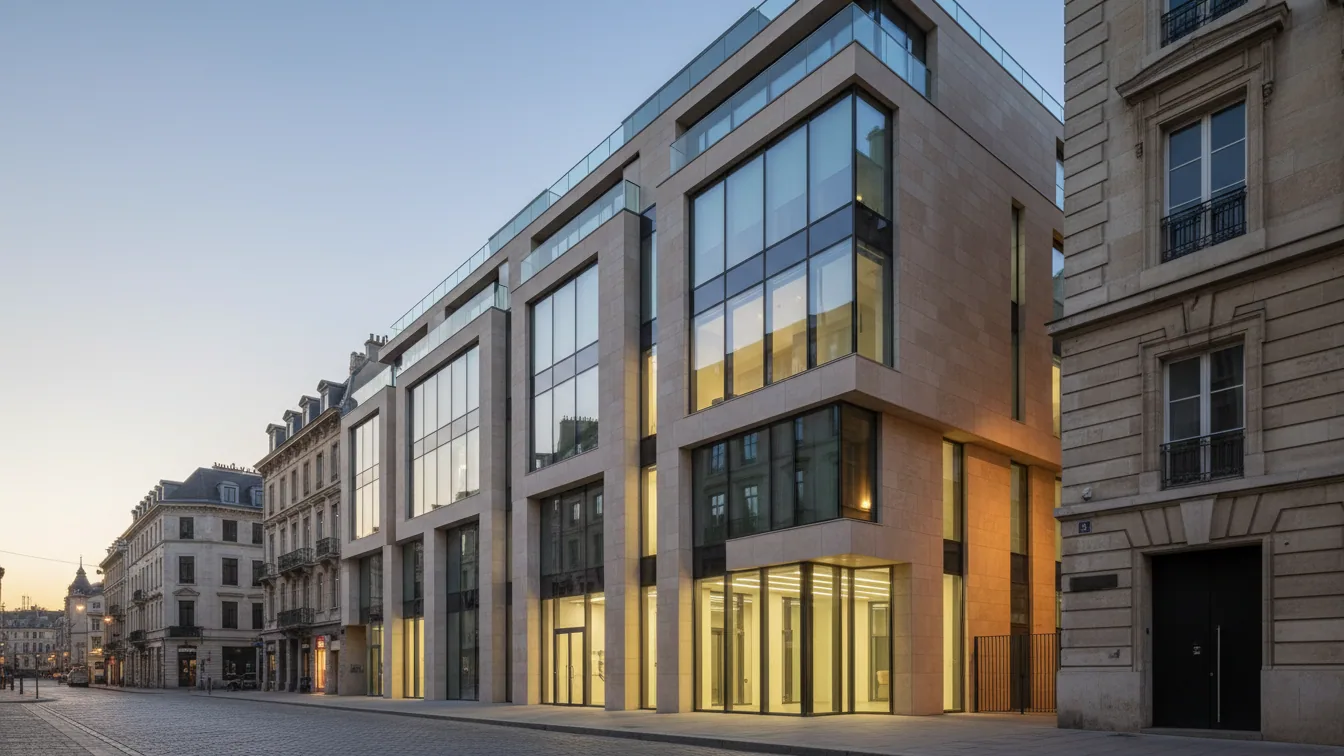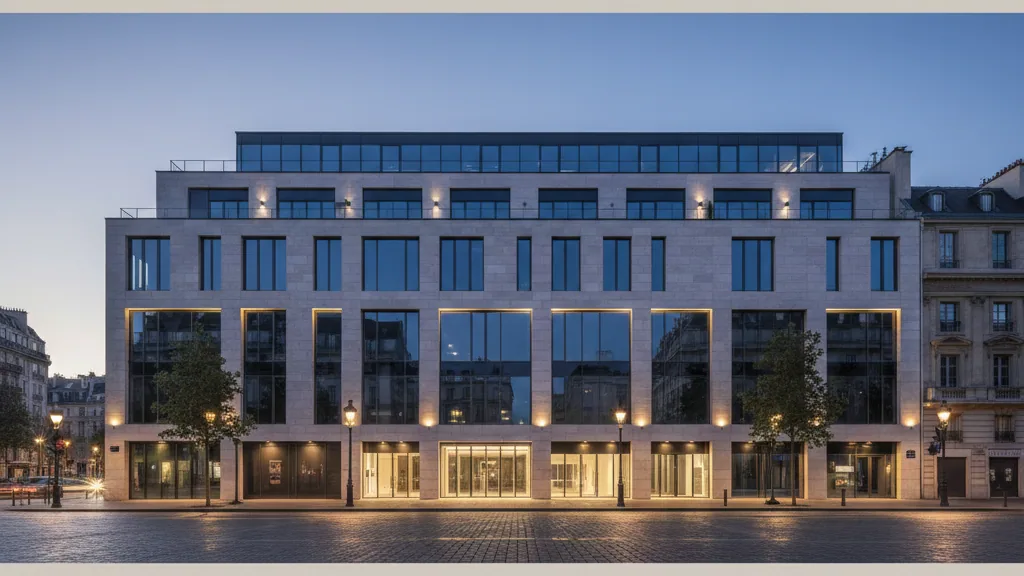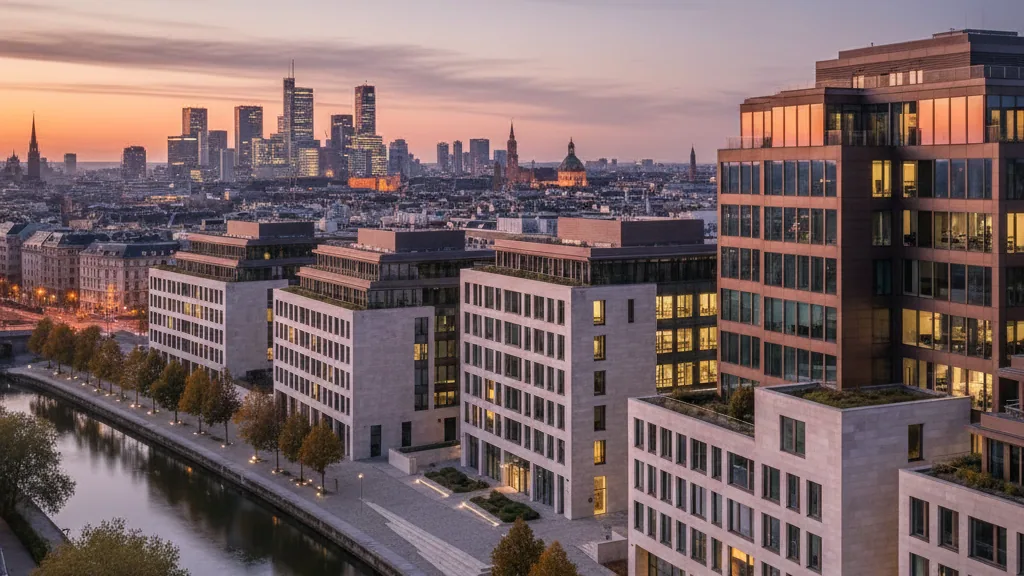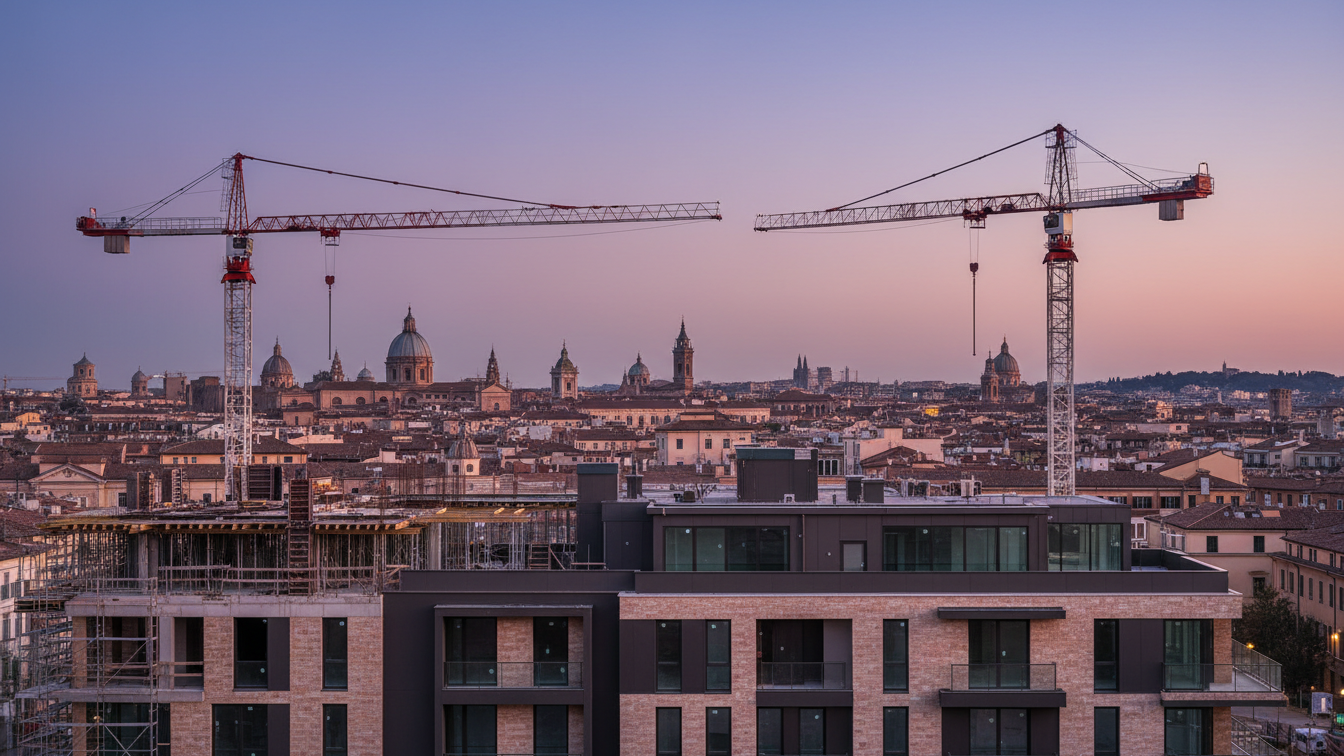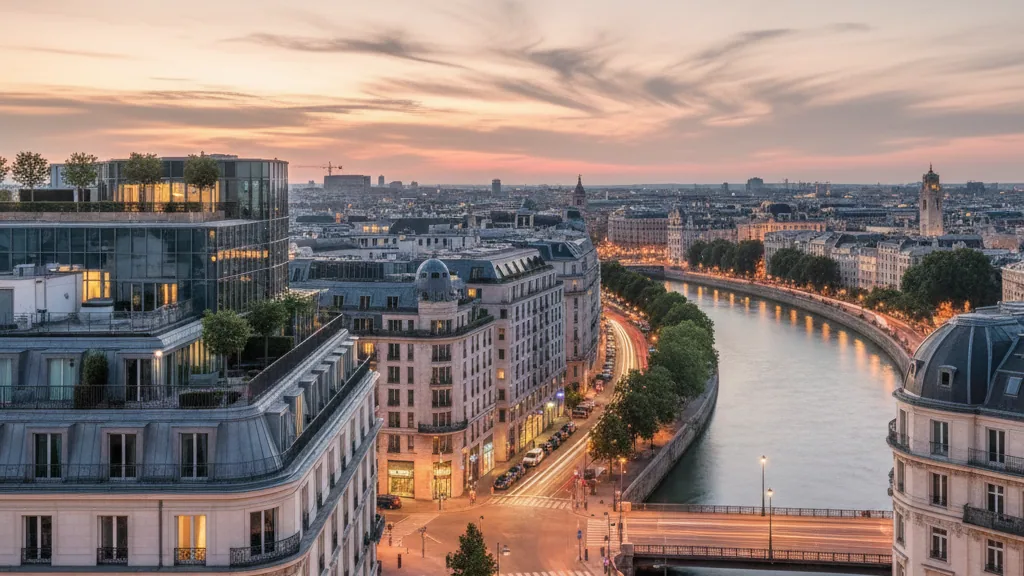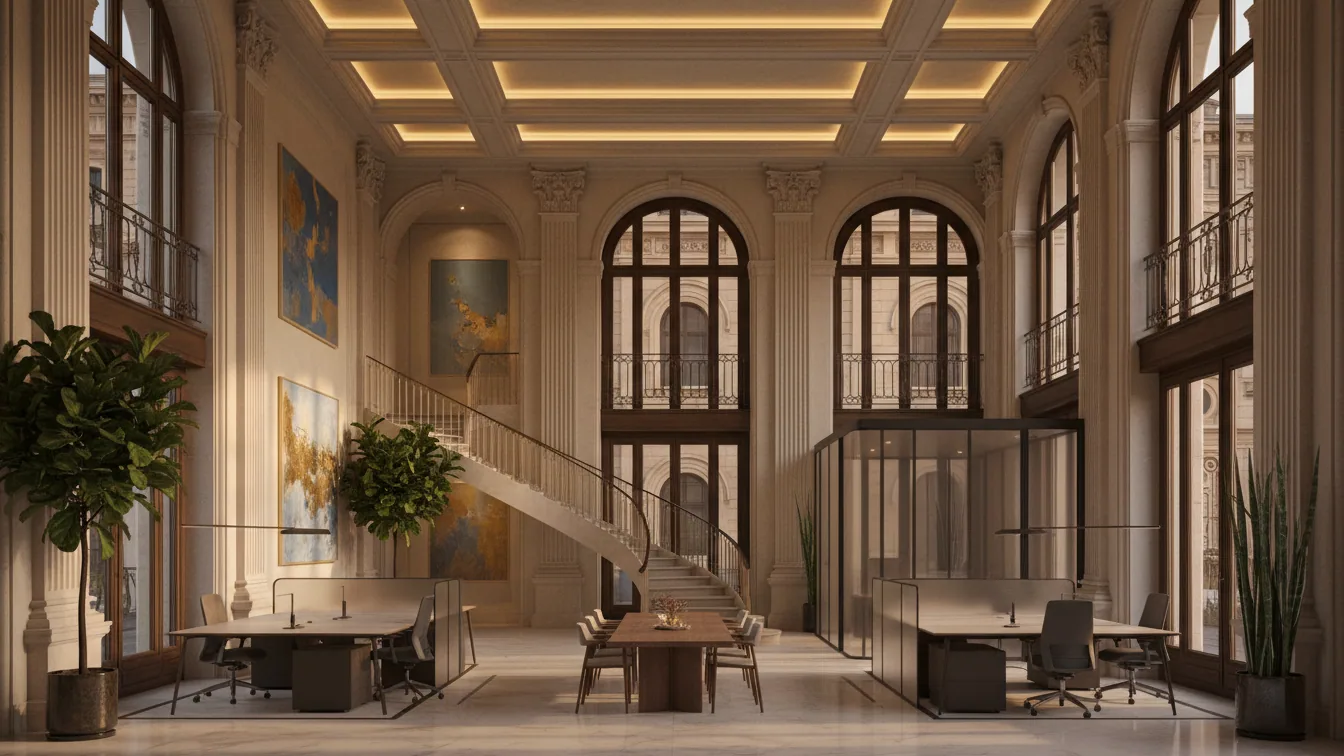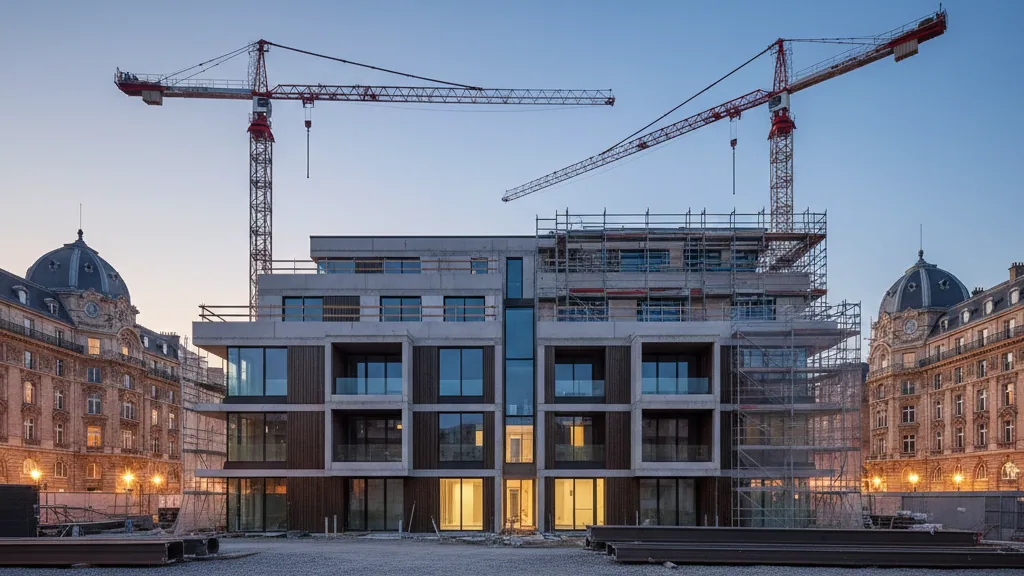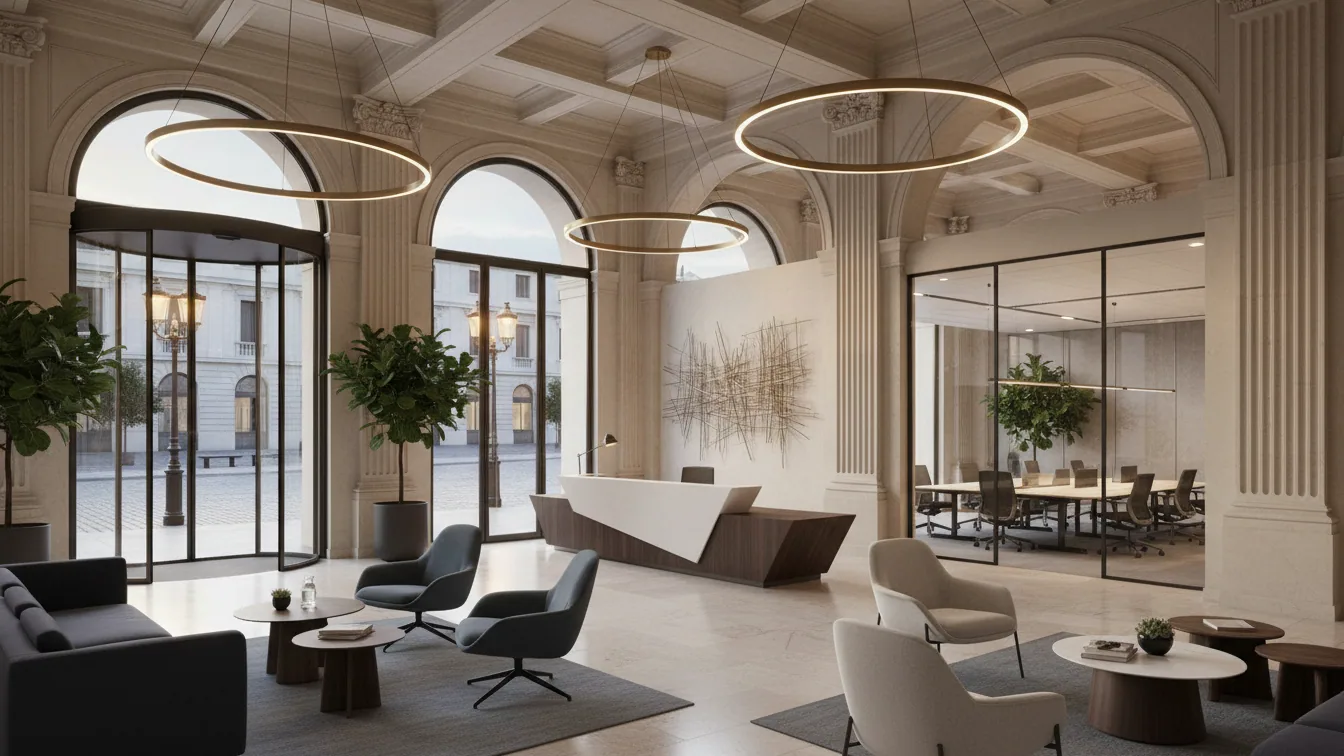
The project competition for the Lyoner FUTURA Quartier was dedicated to the future-oriented realignment of commercial locations. At the heart of the procedure was the question of how mono-functional office and commercial quarters can be transformed into vibrant, viable places. The winning entries provide answers to this structural need for change and open up new perspectives for existing properties.
Traditional commercial areas face the challenge of shifting user requirements. While functional mono-structures dominated in the past, contemporary urban planning approaches call for a stronger mix of uses as well as an enhancement of the immediate surroundings. The competition for the Lyoner FUTURA Quartier addresses this pressure, examining structural areas for action in order to revitalise commercially dominated locations sustainably.
Focus on interdisciplinary solutions
An interdisciplinary framework was chosen for the procedure. The participants brought together various specialist disciplines to devise multi-dimensional responses to complex planning requirements. The interplay of diverse perspectives made it possible to think beyond mere portfolio optimisation and formulate viable guiding principles for the quarter.
- —Development of viable concepts for commercial sub-districts
- —Opening up mono-functional office locations in favour of urban neighbourhood structures
- —Enhancing amenity value and public realm quality within existing commercial stock
The awarded schemes are distinguished by a nuanced understanding of the demands of modern working and living environments. By recognising these submissions, attention is drawn to concepts that combine functional flexibility with architectural and open-space quality. This illustrates that the transformation of office quarters succeeds above all through coordinated planning approaches.
Momentum for neighbourhood development
The results of the project competition provide guidance for future planning stages. The procedure surrounding the Lyoner FUTURA Quartier demonstrates how open concepts can act as a catalyst for carefully adapting established structures to new parameters. On this basis, strategic functional choices can be coordinated more precisely between owners, planners and municipalities.
The winning designs demonstrate that targeted interventions allow commercial locations to unlock their potential and establish themselves as vibrant sub-districts. The competition thus provides significant momentum for the qualitative development of contemporary quarters.