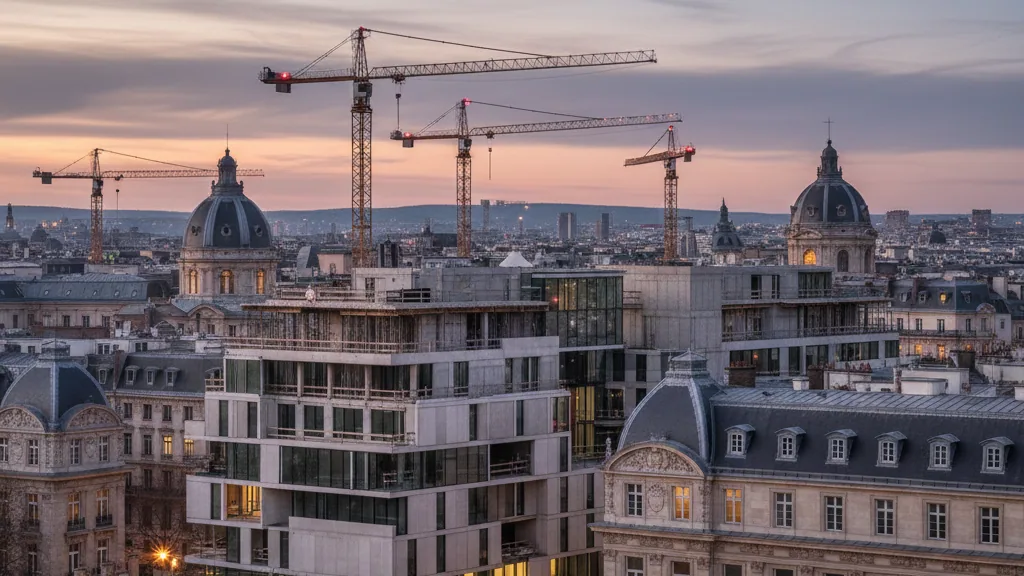
For decades, the Financial District in Lower Manhattan was seen primarily as a workplace whose streets emptied rapidly after trading hours. When Dezireh Eyn and Khashy Eyn founded the estate agency Platinum Properties in 2005, it still required considerable persuasion to convince prospective buyers to view properties south of Canal Street. Although the flats often impressed with generous layouts and attractive terms compared with more established parts of Manhattan, there was a lack of viable local amenities and vibrant neighbourhood structures.
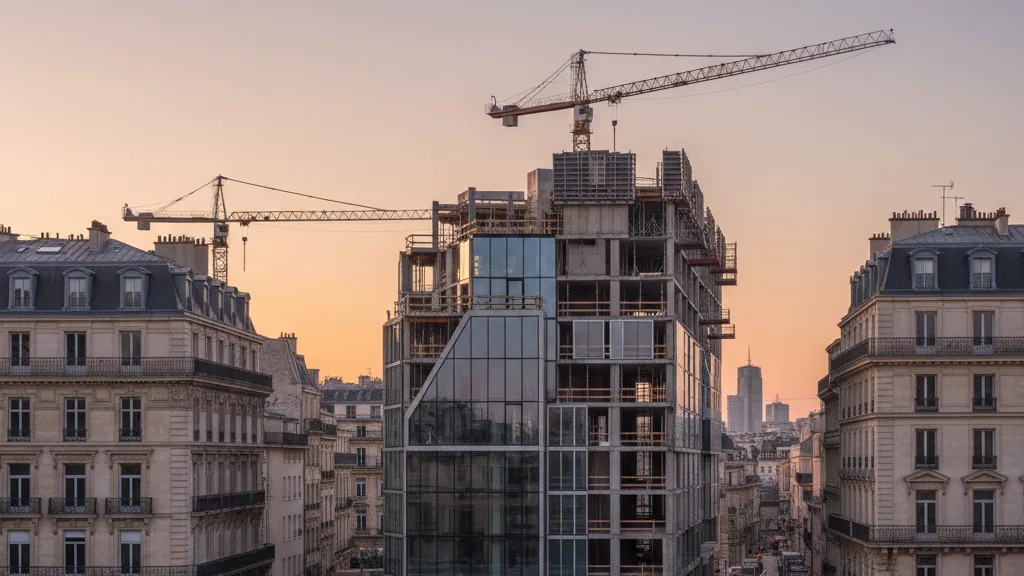
In the years following the attacks of 11 September 2001, however, a far-reaching transformation began. Driven by public investment, tax incentives and building conversions, the residential population of Lower Manhattan has more than doubled since the turn of the millennium. Since 2002, almost 25,000 new residential units have been brought to the market, more than existed in the entire district at the start of that period.
Office conversions and changing occupier requirements
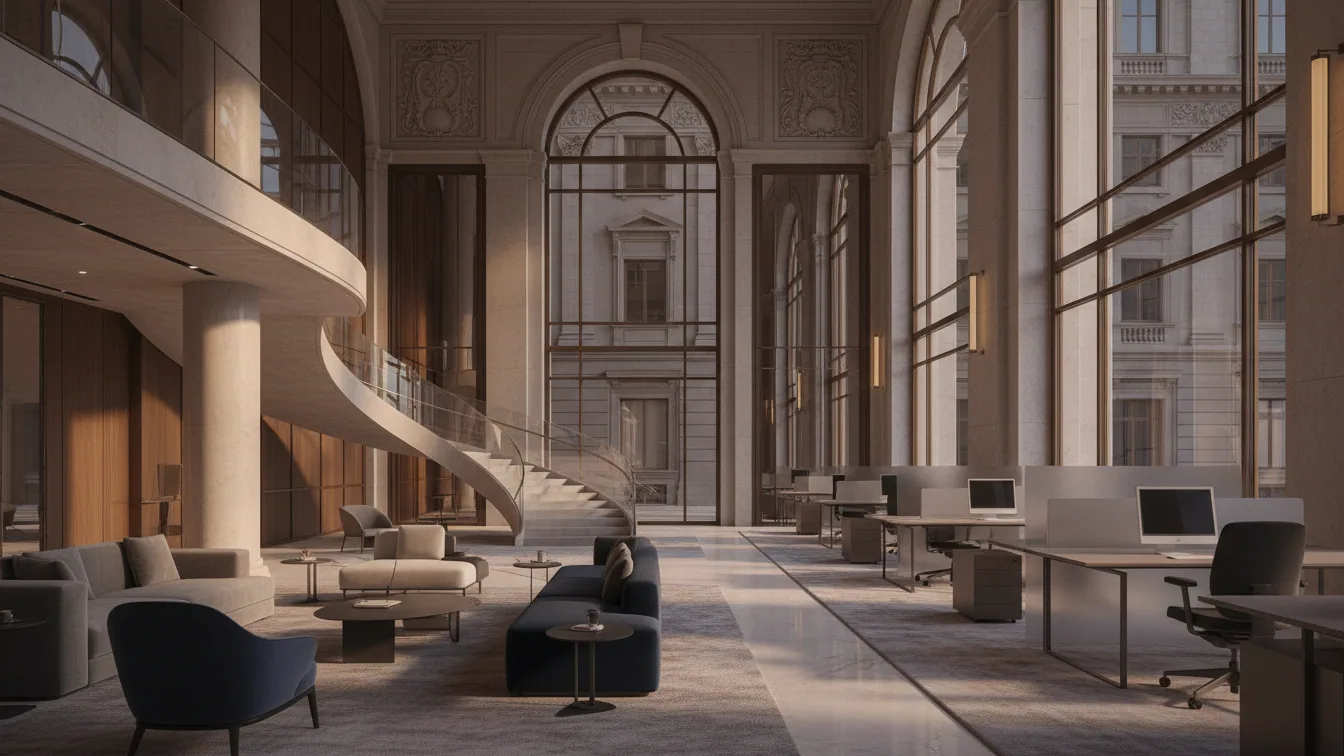
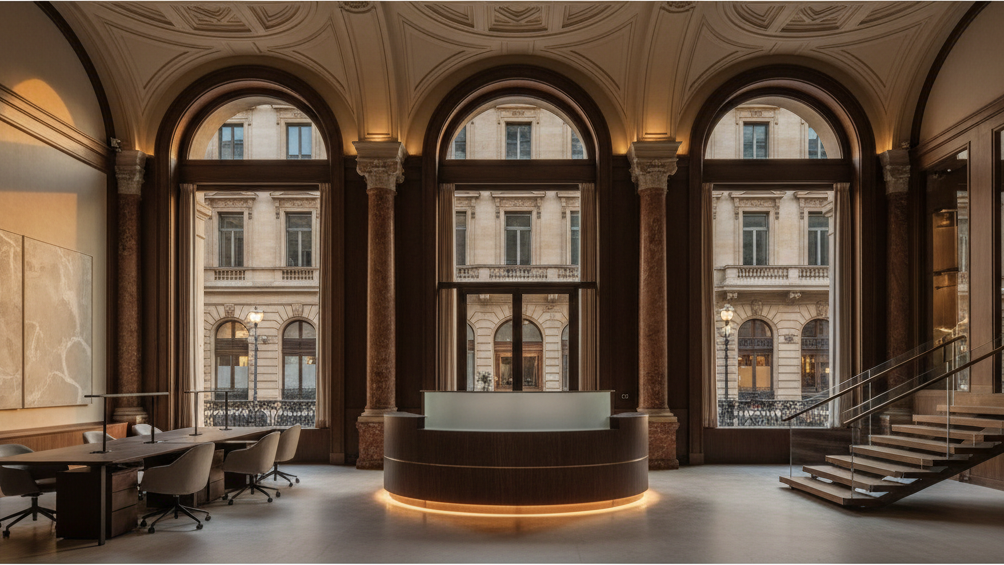
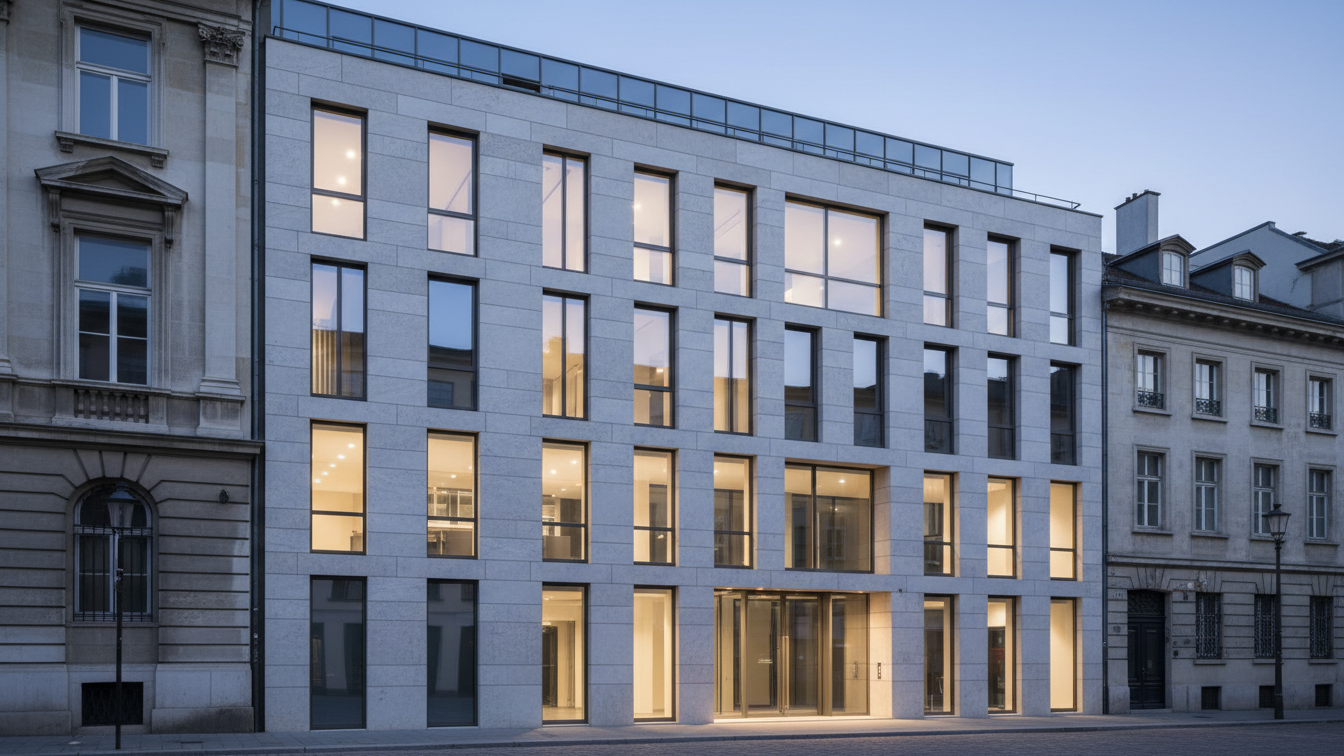
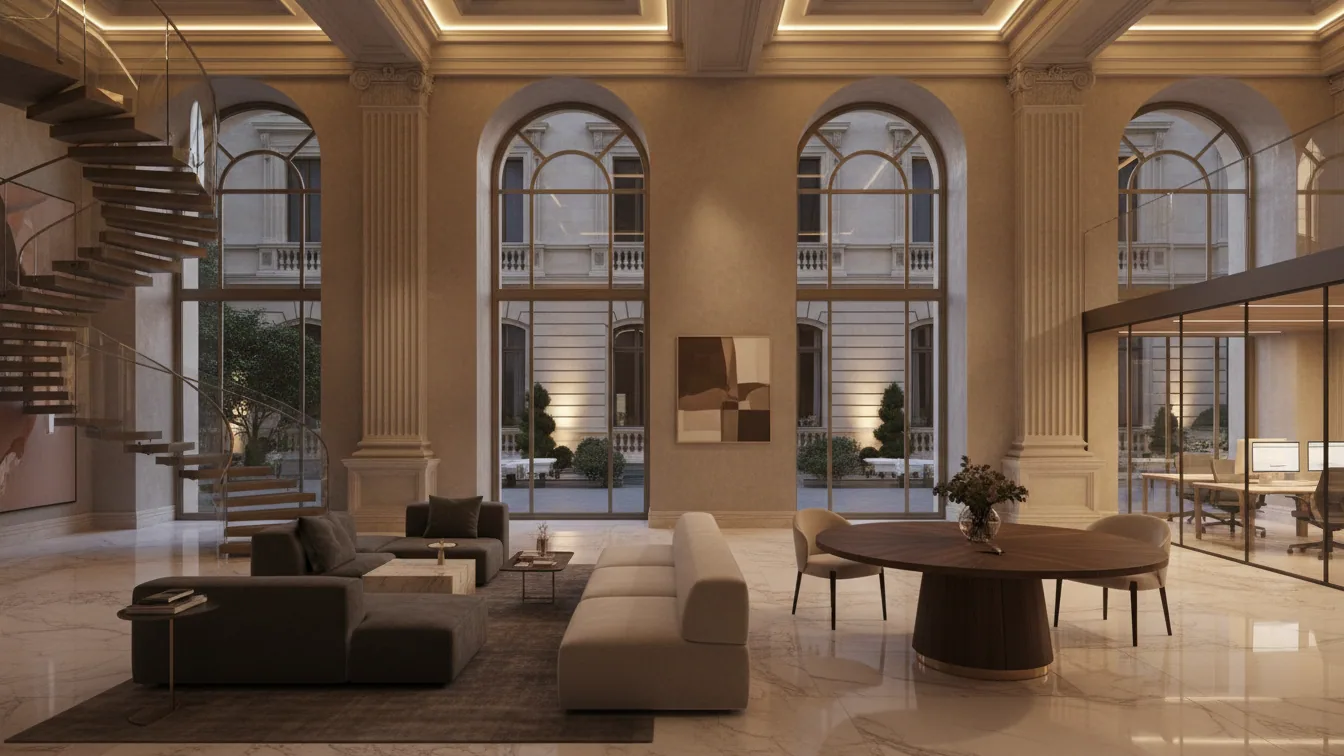
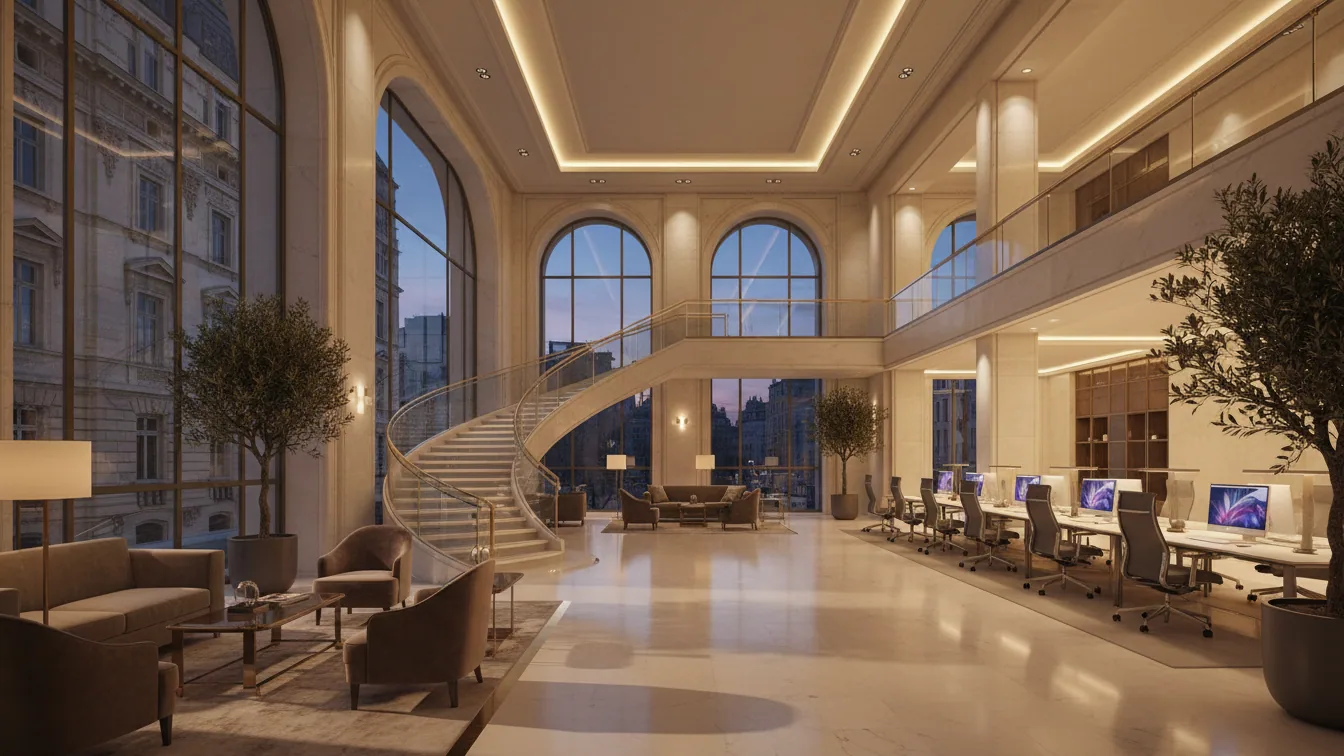
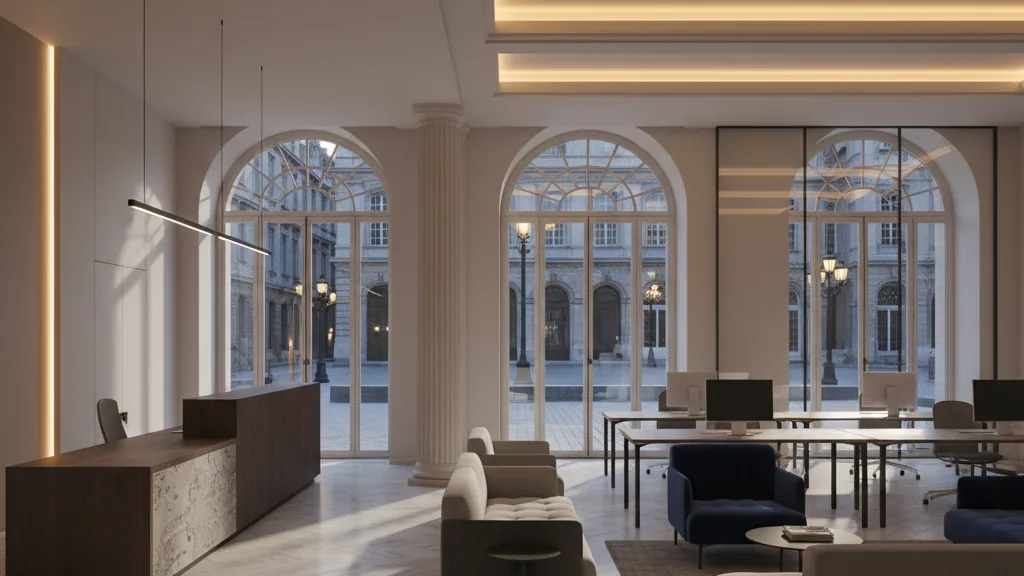
Thanks to their structural characteristics, former commercial buildings often provided ideal conditions for conversion into high-end residential space. Prominent projects such as 25 Water Street, 55 Broad Street and 160 Water Street illustrate this structural shift. The COVID-19 pandemic accelerated the trend further, as tenants and buyers increasingly sought flexible floor plans and well-equipped spaces for working from home.
Traditional business centres in residential developments have long ceased to satisfy these expectations. Demand today centres on private booths for confidential calls, modern co-working areas, wellness and fitness facilities, roof terraces, and private screening and dining rooms for social occasions.
Establishment of a distinct neighbourhood life
With the arrival of new residents, the retail and dining scene has also diversified fundamentally. Notable openings include the French department store Printemps, which opened its first US location at 1 Wall Street. Venues such as Casa Cipriani, the Seaport district and Pier 17 regularly attract visitors from across New York. Hospitality venues such as the Australian spot Old Mates or the long-standing Dead Rabbit also record steady demand extending well beyond the working week.
As Teresa Stephenson of Platinum Forbes Global Properties reports, perceptions of the district have shifted profoundly. While prospective clients a decade ago were still asking about basic aspects of day-to-day practicalities, the Financial District now serves as a fully fledged living environment for families and professionals alike, without surrendering its importance as a global financial centre.