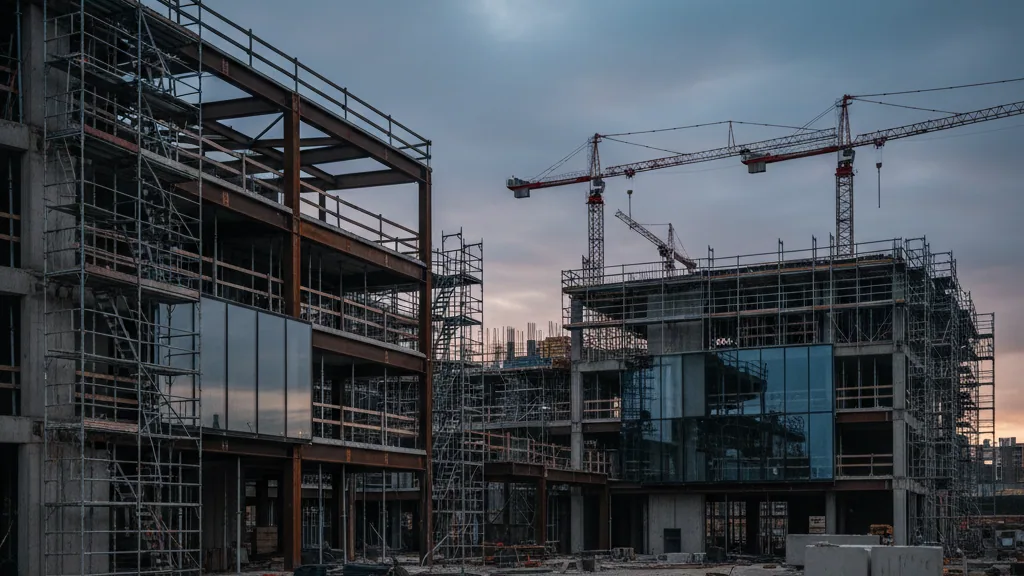
Federal Minister for Building Verena Hubertz gathered information from Mayor Dominik Krause in Munich about the application of the "Building Turbo" in the project development of the "FlaucherQuartier". The Department for Urban Planning and Building Regulations, together with Stadtwerke München (SWM), presented the project as a concrete example for accelerating building procedures. The planned quarter is located between Hans-Preißinger-Straße and Schäftlarnstraße, in direct proximity to the Gasteig HP8 cultural centre.
The Building Turbo, a special regulation in the Building Code (§ 246e BauGB) valid since 30 October 2025, enables municipalities, under certain conditions, to temporarily deviate from provisions of building planning law. This serves to simplify and accelerate approval procedures for residential building projects, especially if these align with the urban development goals of the respective city. The state capital of Munich decided in the first half of 2026 to apply the Building Turbo for a total of approximately 2,100 flats to ensure their timely building permits.
Acceleration and Goals of Housing Creation
Verena Hubertz, Federal Minister for Housing, Urban Development and Building, emphasised that the 210 affordable flats being created in the FlaucherQuartier are primarily intended for employees in public services. Through the Building Turbo, the completion of these units is expected to be accelerated by approximately two years. Mayor Dominik Krause described the Building Turbo as an effective instrument for shortening complex procedures and for faster realisation of housing projects. He highlighted that Munich is already making extensive use of this regulation and that further steps are necessary to simplify, accelerate, and reduce the costs of building in Germany. At the same time, aspects of sustainable building and the long-term quality of building projects must be considered to meet the high demand for affordable and future-proof housing.
Professor Dr. Elisabeth Merk, City Planning Councillor, explained that in the FlaucherQuartier south of HP8, building law for over 200 flats, including a crèche and a kindergarten, could be established about two years faster than through a regular development plan procedure, thanks to the Building Turbo. The FlaucherQuartier is one of currently 37 Building Turbo projects in Munich, bringing a total of 2,100 housing units into the implementation pipeline.
Project Details and Sustainable Orientation
The SWM housing project will include a childcare facility in addition to the approximately 210 flats, predominantly for its own employees. The area south of the Isarphilharmonie (HP8) will be designated for residential use, with the first residential buildings planned to emerge in the medium to short-term vacant southern area, despite longer-term interim use. Dr. Gabriele Jahn, Managing Director for Personnel, Real Estate and Baths at SWM, highlighted the two-year time saving in the building rights creation phase. She stressed that the Building Turbo significantly contributes to the faster and more cost-effective realisation of construction projects, which also supports SWM in its goal of creating 4,000 company flats in Munich by 2040.
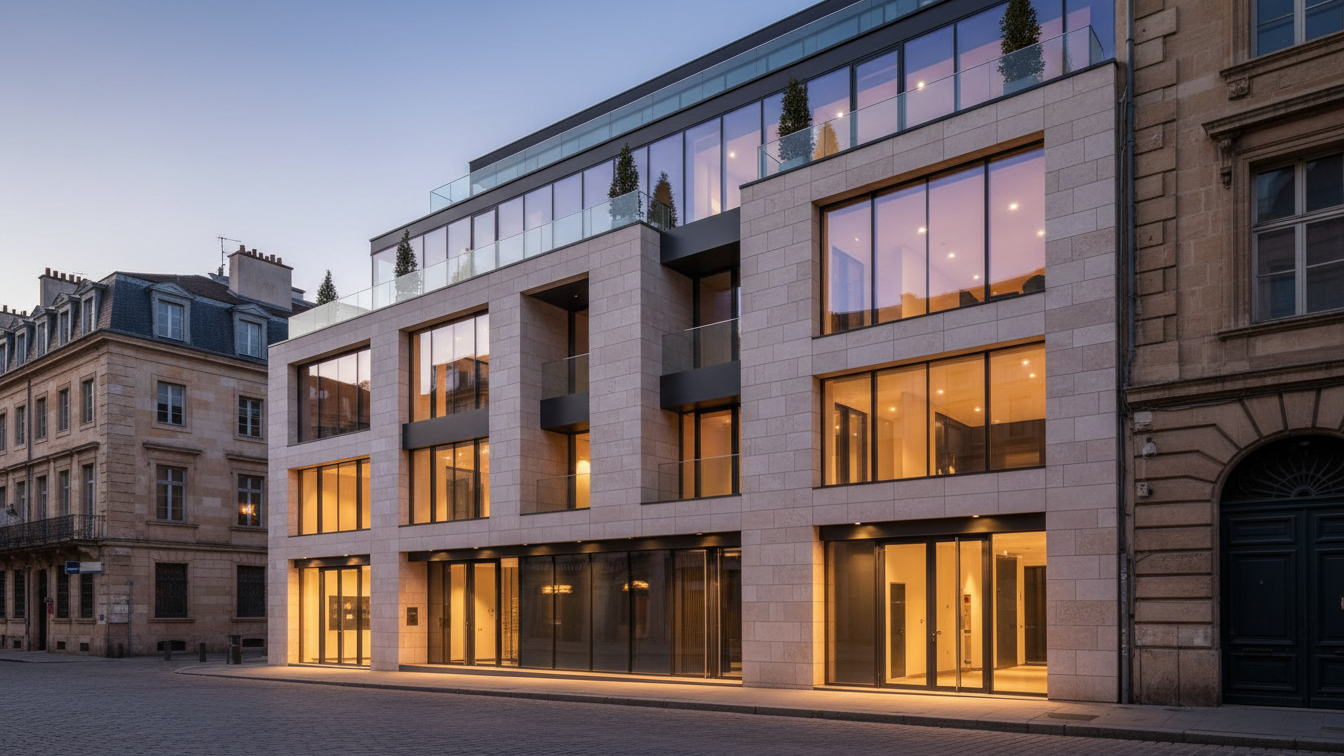
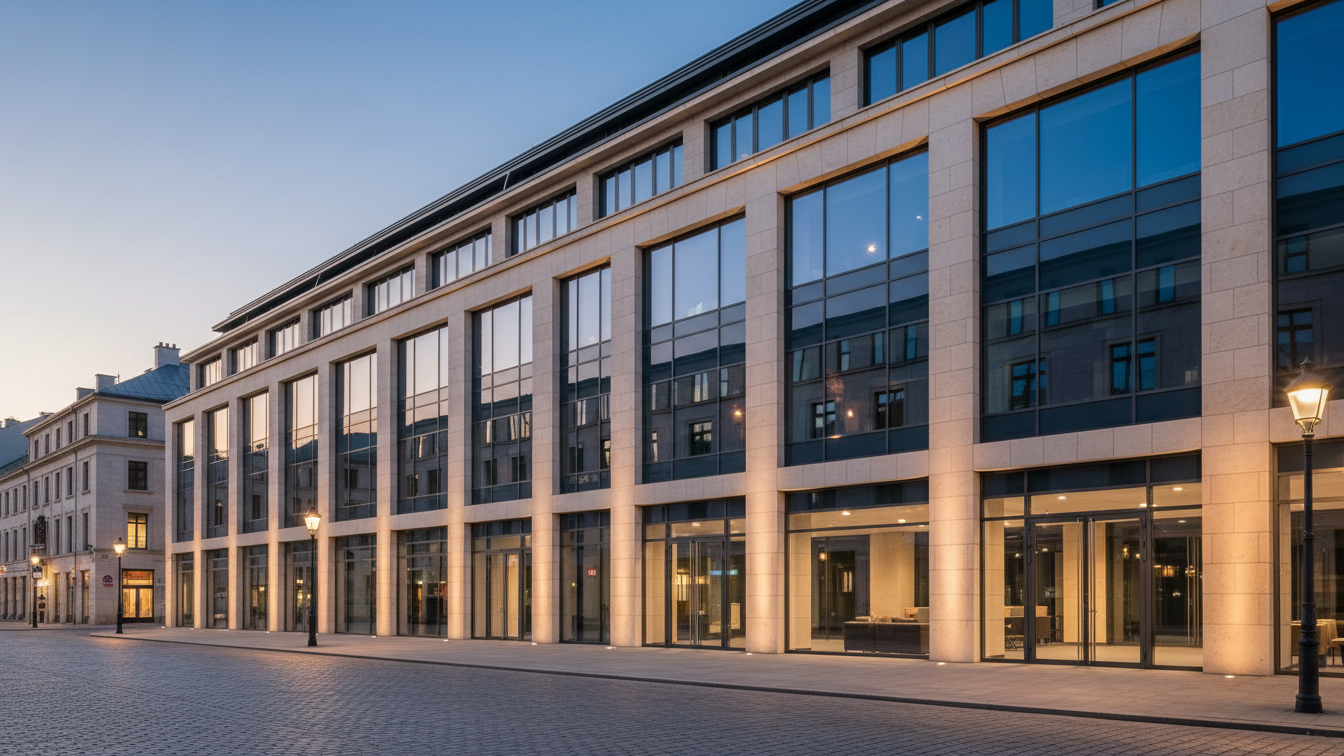
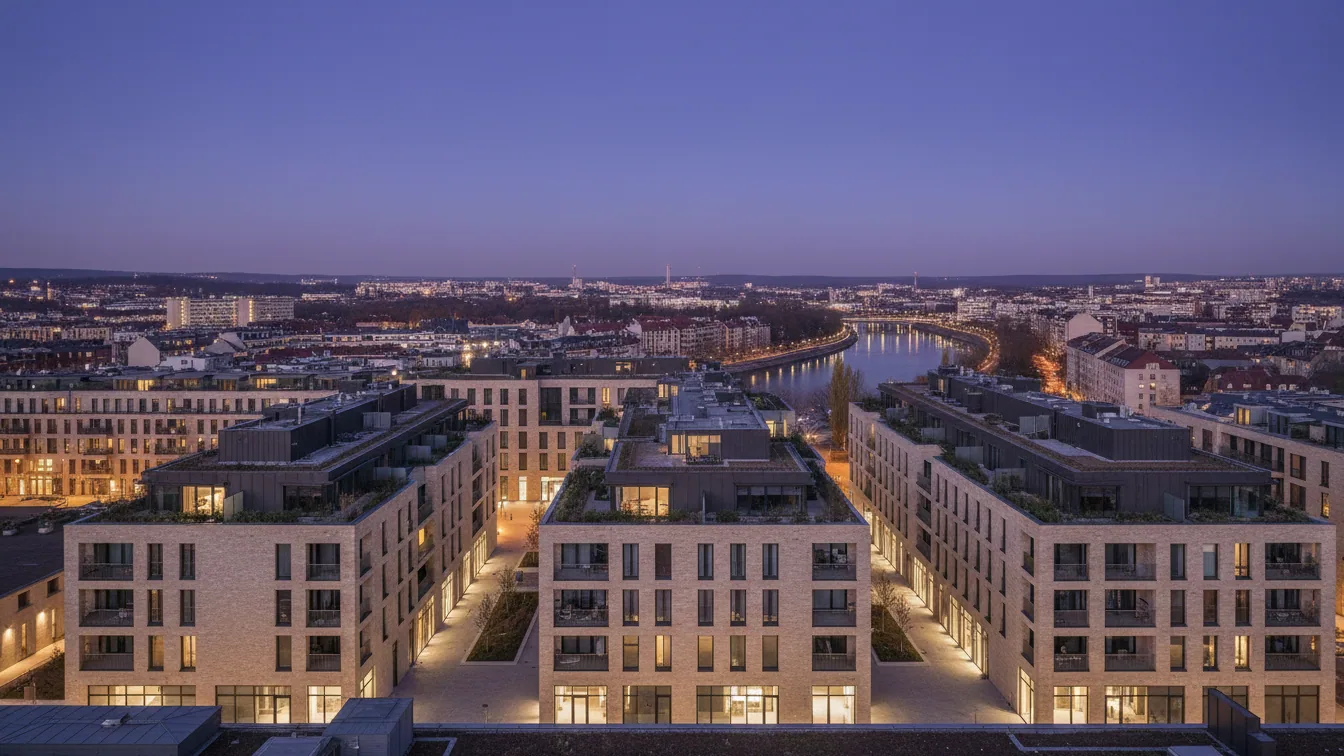
The current design of the FlaucherQuartier envisages a closed block perimeter structure with a protected inner courtyard, which largely remains free of underground structures to ensure high-quality green and open spaces. The climate-oriented concept is supplemented by roof gardens, photovoltaics, and connection to SWM district heating. Realisation will occur using serial, modular construction methods, which is intended to contribute to cost reduction, quality improvement, and shorter construction times. The project serves as an exemplary demonstration of how additional flats can be created on an already used and formerly heavily sealed inner-city area. In doing so, housing construction, the historic monument environment, cultural interim use, and open space quality are brought together in a coordinated development between administration, politics, and the client.