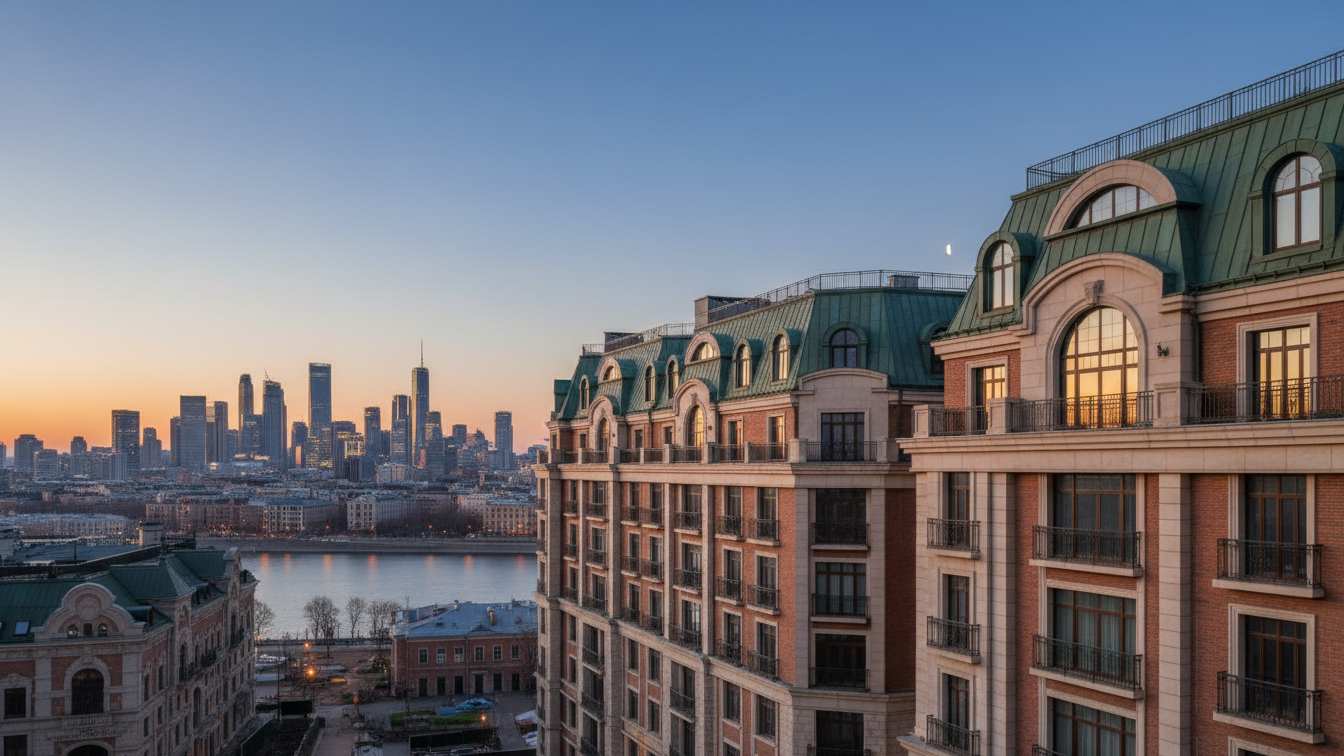
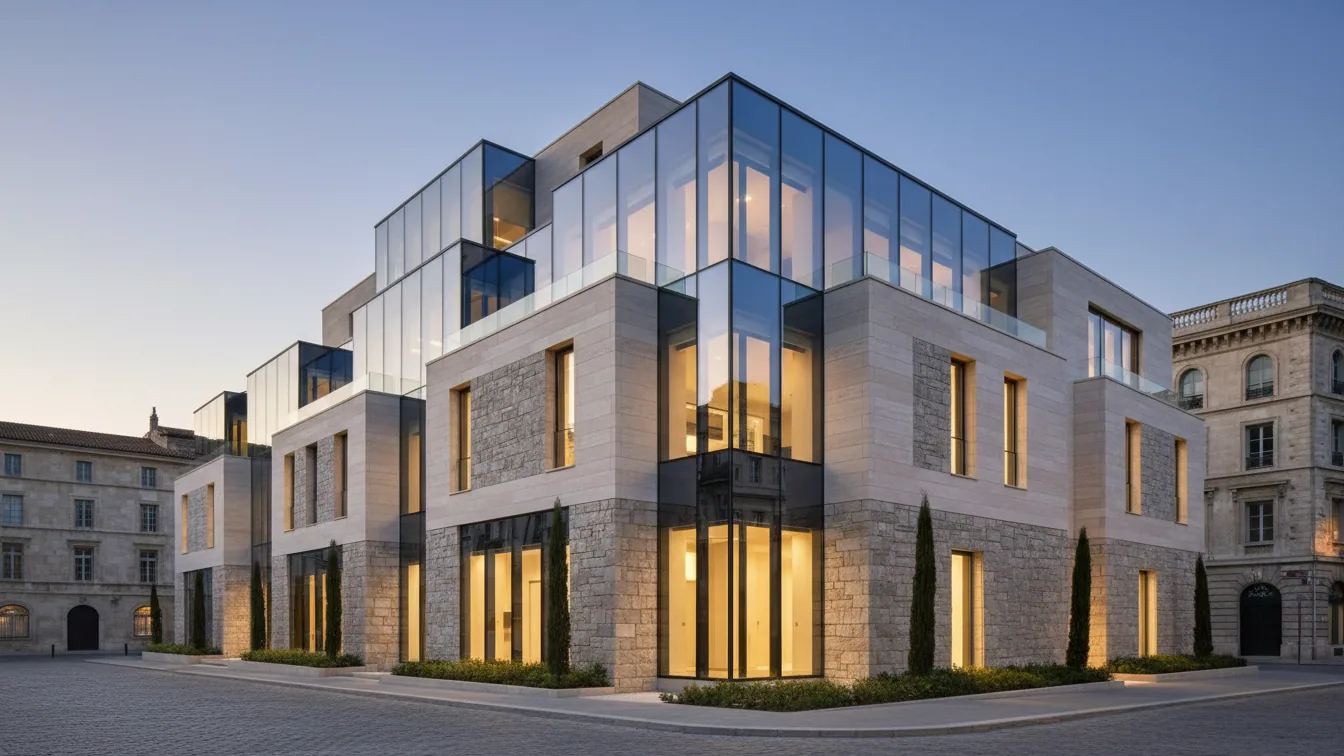
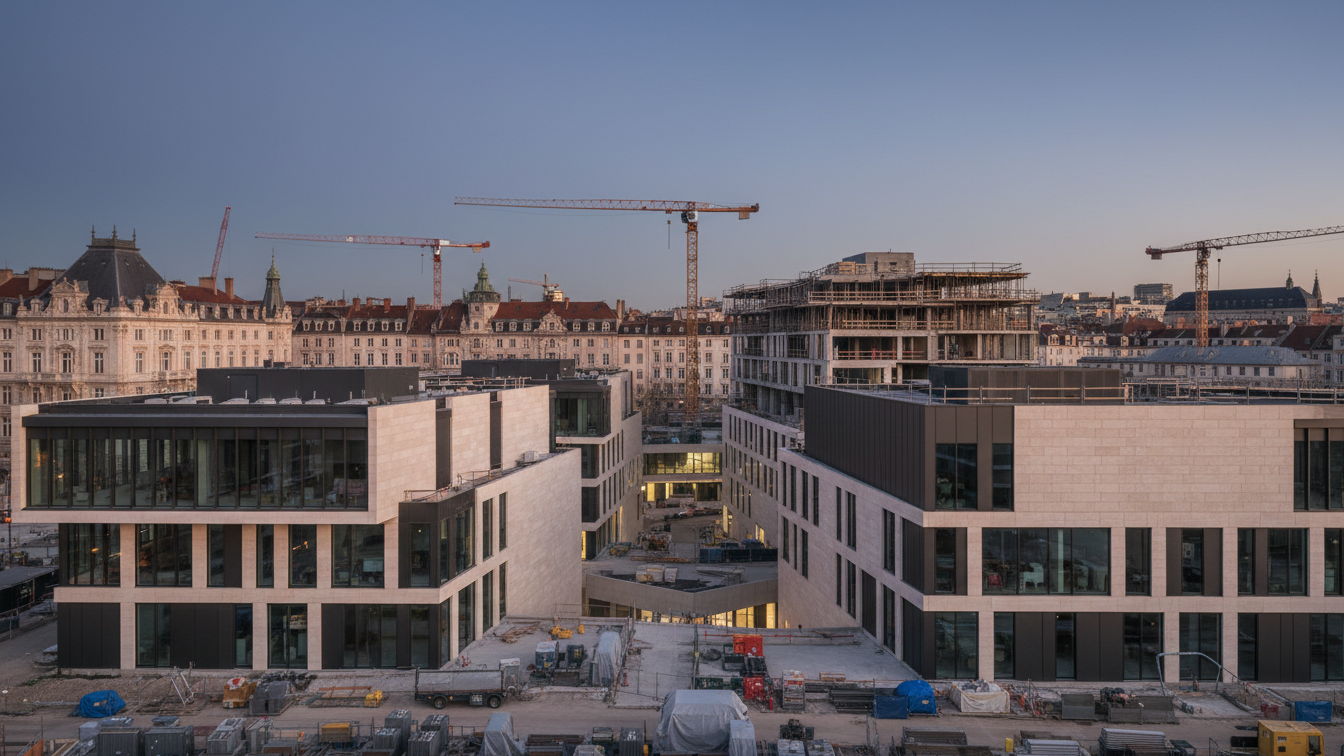
The office market in Munich continues to exhibit distinct activity. According to observations by Newmark, take-up rose by 33 percent compared to the same period last year, reaching approximately 349,000 square metres. This development is significantly supported by a diversified demand base. In addition to owner-occupiers, companies from the technology, semiconductor, defence, and life sciences sectors are particularly shaping market activity. Concurrently, the demand for modern and high-quality office spaces persists.
Lettings in the 1,000 to 5,000 square metre range form the foundation of the Munich office market. While this size category still accounted for about half of the take-up in 2023, its share stands at one-third in the first half of 2026. Letting activity is thus more broadly distributed across the market. Major deals of 10,000 square metres or more now represent around 30 percent of take-up, signalling increased demand from larger users. Mr Matthias Hausch, Head of Office Leasing in Munich at Newmark, noted that the Munich office market benefits from a significantly broader demand base than just a few years ago. He explained that, in addition to established technology companies, firms from future industries are increasingly acting as large-scale users, ensuring stable market dynamics.
Sector Structure and Space Development
This development is also evident in the sector structure. Companies from the technology, semiconductor, defence, and life sciences sectors occupy a stronger position compared to users from consulting or financial services. The technology sector alone quadrupled its take-up compared to the same period last year, reaching approximately 91,000 square metres. Key deals in this context include lettings by JetBrains, Analog Devices, NXP Semiconductors, and Uvision Europe.
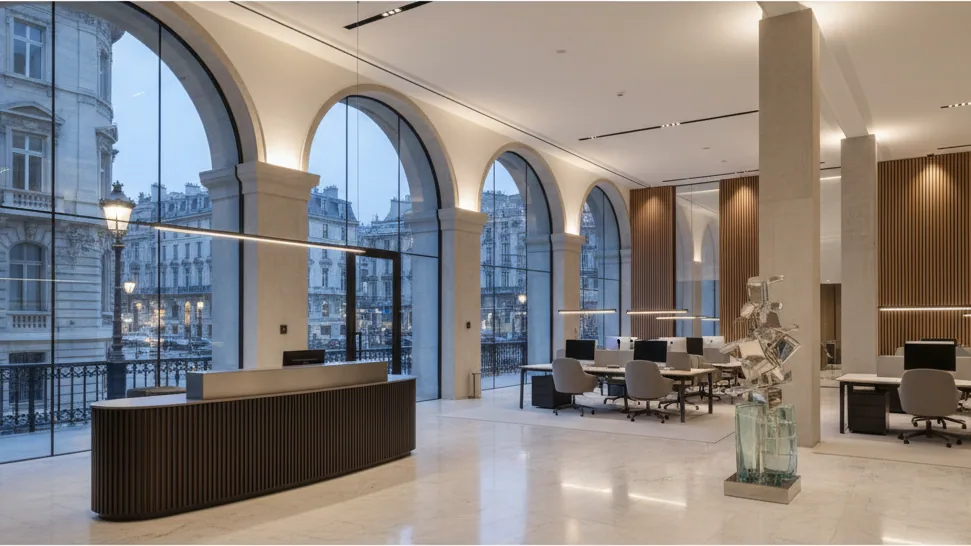
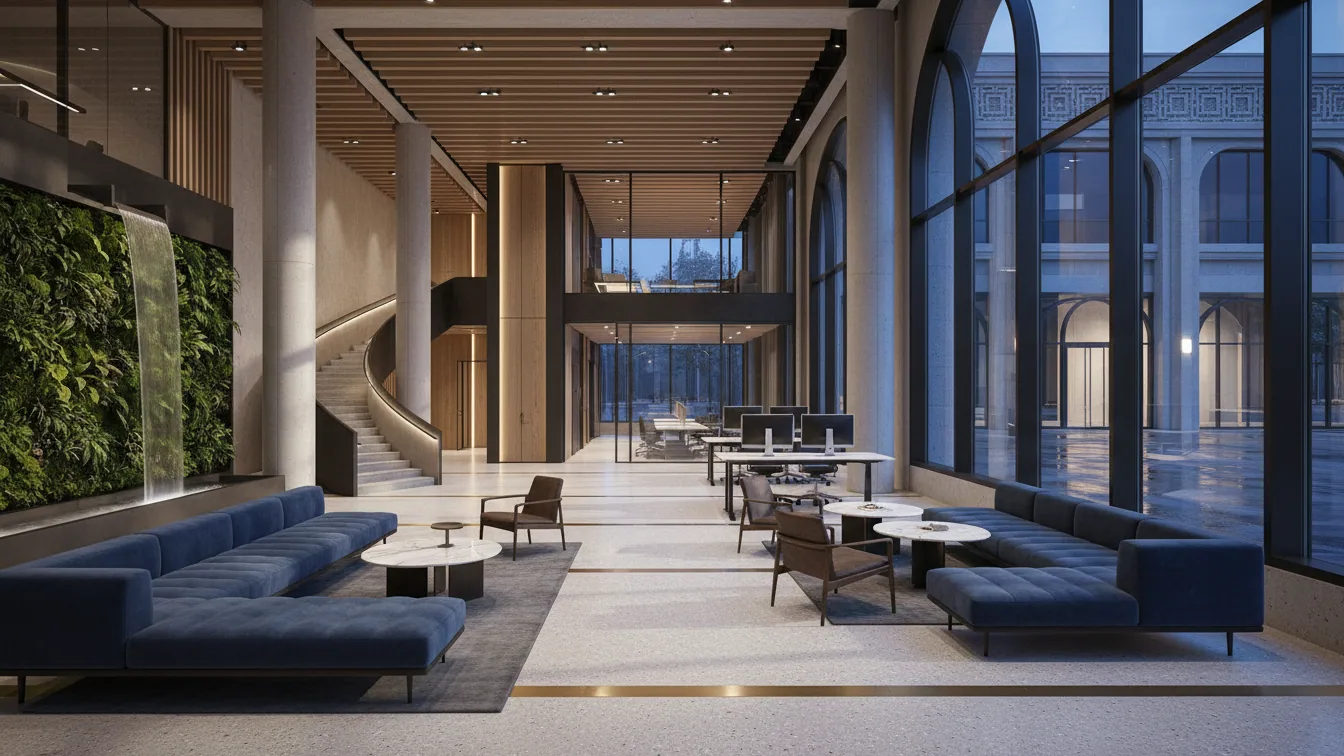
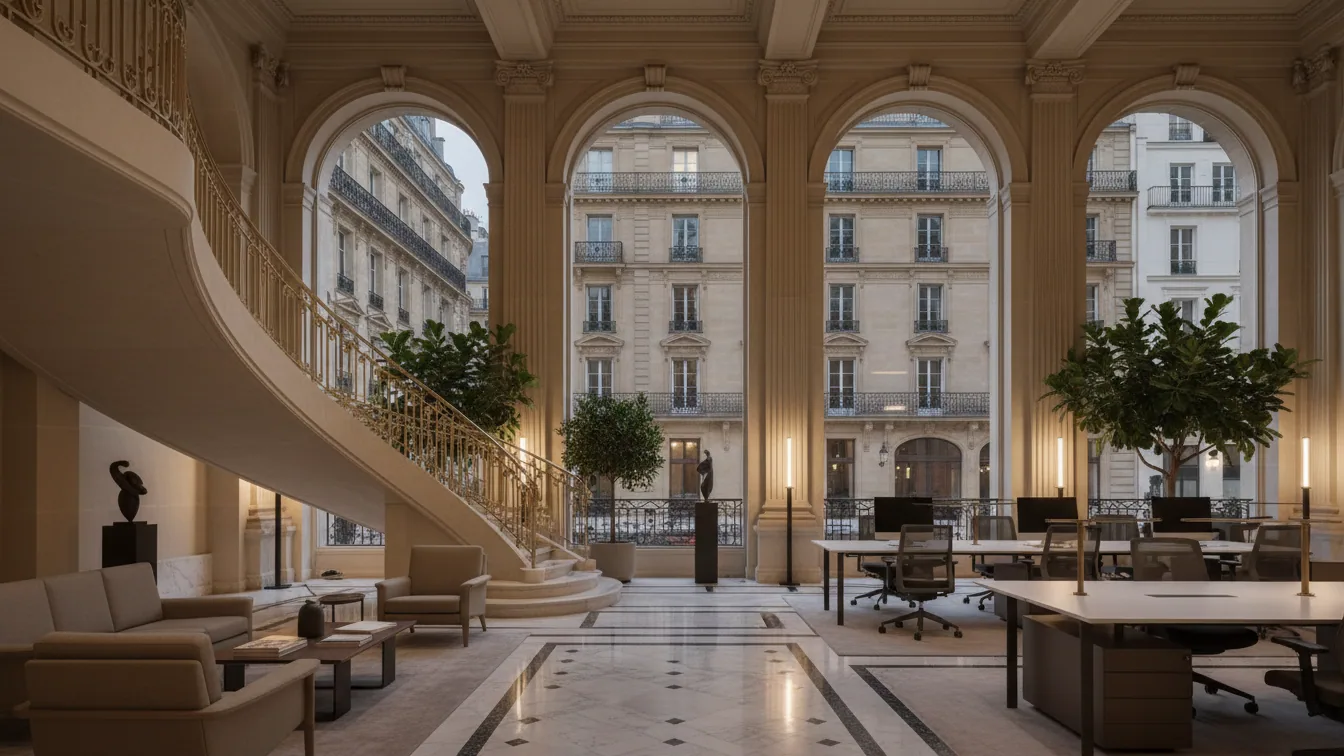
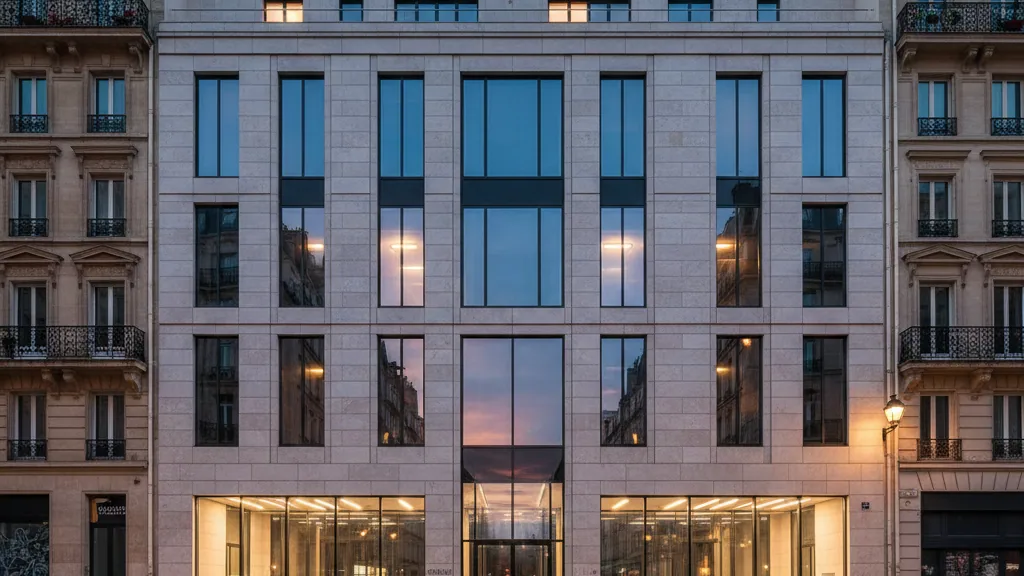
Demand continues to focus on modern, ESG-compliant office spaces characterised by high quality of stay, attractive features, and short-term availability. New builds and extensively modernised existing buildings are consequently performing better than the overall market. Examples include areas such as Neue Balan, the Business Campus Garching, and the MARK project in western Munich, which is almost fully let. Modern office locations outside the traditional city centre, such as in Unterhaching, are also becoming more attractive to companies.
The persistent demand for high-quality spaces also stabilises rent levels. Prime rent reached EUR 60.00 per square metre, with up to EUR 74.00 per square metre already achieved in individual cases. The weighted average rent remained at EUR 27.20 per square metre, on par with the previous year. Concurrently, the vacancy rate stands at 8.8 percent and is primarily increasing in older existing buildings that no longer meet current user requirements. Modern and high-quality equipped spaces, however, continue to be absorbed quickly. Mr Helge Zahrnt, Head of Research at Newmark, predicted that vacancy is likely to remain above the ten-year average in the medium term, as companies evolve their workplace concepts and optimise their space requirements. He emphasised that flexible working models remain a component of the office world, while demand increasingly focuses on high-quality, well-connected, and ESG-compliant buildings.
Outlook for the Munich Office Market
For the full year 2026, Newmark expects office take-up in Munich of around 600,000 square metres. The development of the office market will increasingly be determined by the quality of the spaces. Modern, ESG-compliant offices in prime locations are likely to remain scarce and offer potential for rent increases. In contrast, pressure is growing on older existing buildings, which are harder to position in the market without substantial modernisation and attractive incentives. Demand for large office spaces is expected to be driven primarily by companies from the robotics, defence technology, semiconductor, and life sciences sectors.