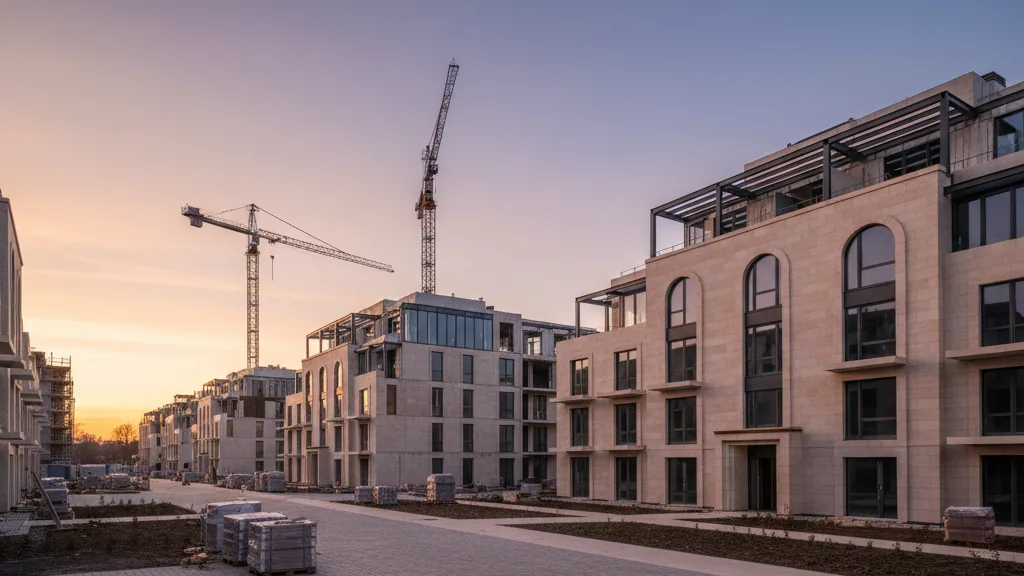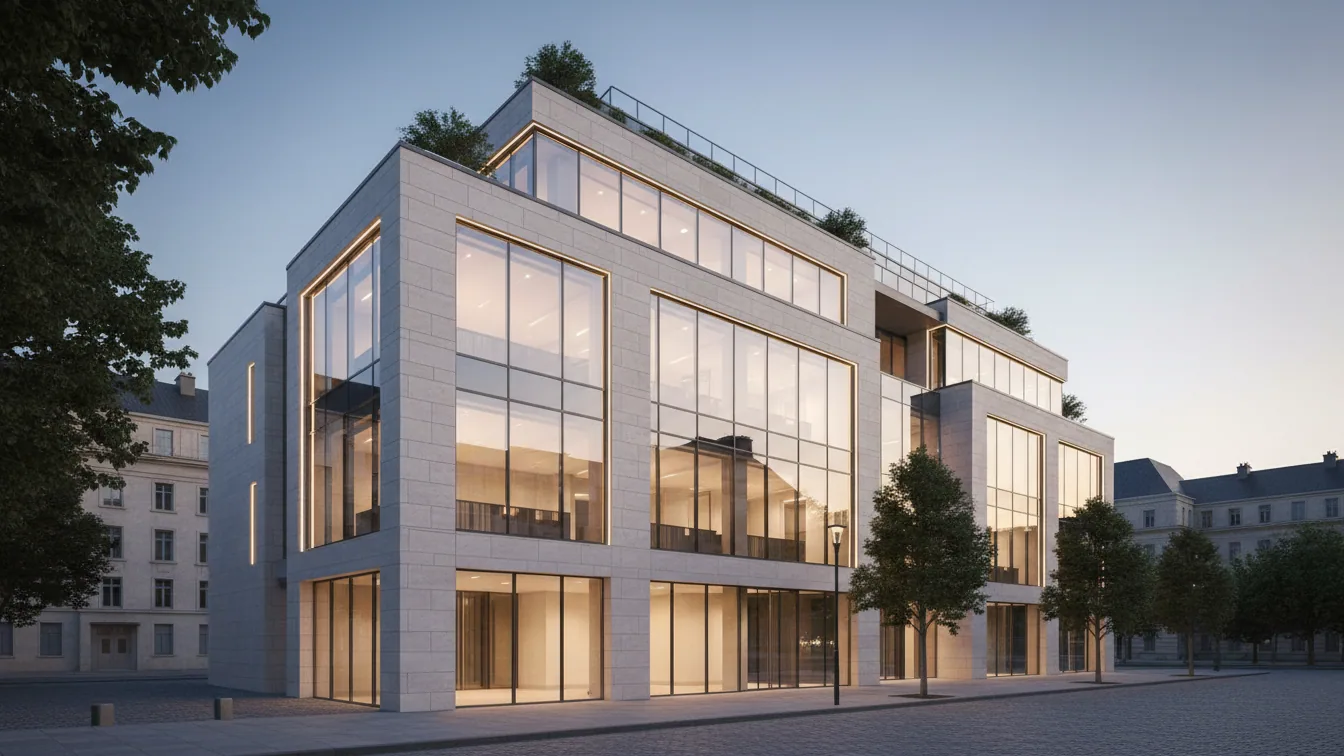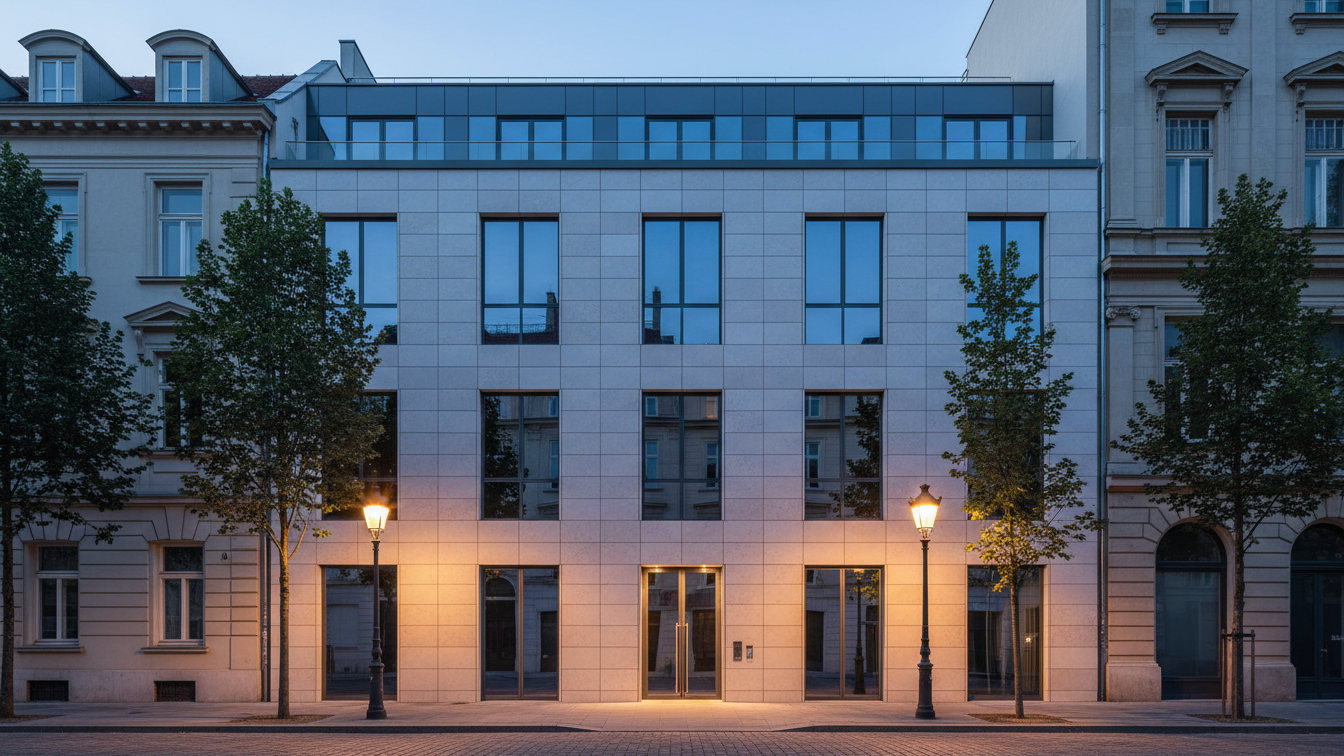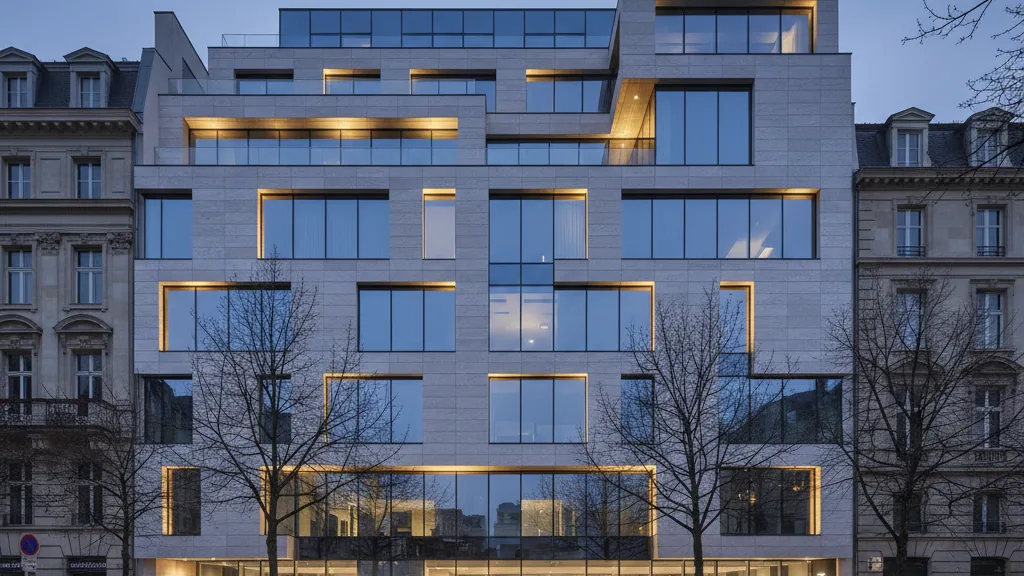
According to Rohrer Immobilien, Munich continues to assert its role as a leading stable real estate location within Germany. Sven Keussen, managing partner at Rohrer Immobilien, observes a market reorientation following the interest rate turnaround and a period of uncertainty. Transactions are increasing again, with buyers making increasingly selective investment decisions. Marketability and pricing are now increasingly determined by quality, location, fulfilment of ESG criteria, and the generation of reliable returns.
A notable development is the correction of land values for building plots in certain segments. This adjustment is a direct consequence of increased financing costs, elevated construction costs, extended planning times, and more conservative calculations by market participants. The market is thus consolidating at an adjusted price level.
Developments in Residential Real Estate Investment
The residential segment is currently characterised by a growing supply of existing properties, consistently high rental demand, and reduced new construction activity. So-called value-add properties are particularly sought after. These include residential and commercial buildings that require renovation, offer energy potential, have expansion reserves, or whose usage concepts can be optimised. Investors are seeking properties where active management enables value creation. Purchase prices in the residential sector have largely adapted to the market environment and show a stabilisation dependent on location and quality. While properties of lower quality require price adjustments, good locations, solid rental income, and development opportunities remain scarce. The conversion of commercial into residential units is also gaining relevance, provided the building and commercial law as well as technical conditions are met.
Developments in Commercial Real Estate Investment
The commercial segment shows clear differentiation. Modern, flexible, and ESG-compliant spaces in central or excellently connected locations remain in high demand. Older office properties, peripheral locations, and properties without a clear usage perspective, however, are under considerable pressure. The interest rate level has a direct impact here, as capital costs directly affect purchase price factors and yield requirements. Opportunities arise where owners are willing to accept new price levels. A realistic positioning thus becomes crucial for sellers. Commercial properties must be convincing due to their location, tenant solvency, and third-party usability, or offer a viable transformation story. This can be achieved through modernisation, mixed use, or a prospective residential use.
Sven Keussen predicts a market environment for the current and the following year where the residential sector will remain strong, and strategies such as value-add and repurposing will gain significance. In the commercial segment too, adjusted prices, more stable financing conditions, and viable concepts open up new entry opportunities. The Munich market offers good prospects for investors who coherently combine location quality, condition, ESG requirements, financing, and usage perspective. The quality of properties will prevail and be more highly rewarded again in a stabilised environment.