S
ustainability is no longer a buzzword in commercial real estate; it’s a key competitive edge. A 2025 NAR report surveyed over 2,000 professionals and found that buyers now demand more than basic amenities. They want detailed data on kilowatt‑hours, operating costs, indoor air quality, and a building’s resilience to extreme weather. Many are willing to pay a premium for these features.
Jessica Lautz, NAR’s deputy chief economist, notes that green‑certified properties tend to command higher values and deliver better energy efficiency. About 30 % of respondents say certifications boost market value, while 45 % remain uncertain.
Clients prioritize a range of sustainable attributes when selecting a space:
- Utility and operating costs
- Indoor air quality
- Energy‑efficient windows and doors
- Resilience to wildfires, heat, floods, hurricanes
- Efficient lighting
- Smart, connected building systems
- Water‑conserving landscaping
The Counselors of Real Estate, an NAR affiliate, rank “portfolio risk”—from extreme weather to air quality—as a top 2026 issue. Professionals are turning to predictive analytics, climate‑risk software, drone surveys, and smart systems to assess vulnerabilities. John Hentschel predicts that risk and resilience will become a distinct specialty within CRE.
Adaptive reuse is gaining traction. Roughly one‑third of brokerages have repurposed buildings, often converting offices to residential or retail to non‑residential uses. Lautz highlights that such projects reduce waste, revitalize aging assets, and meet evolving market demands, offering a sustainable way to increase housing supply and community spaces.
To leverage sustainability effectively, agents should first address the pain points clients raise:
- Enhancing energy efficiency in existing buildings
- Valuing solar panels and their transaction impact
- Limited information and materials for REALTORS®
- Sparse data on building performance history
- Understanding lending options for sustainable properties
- Managing extreme weather and climate risks
- Valuing green‑certified buildings
- Liability concerns over misrepresenting green features
Strengthening market advantage involves:
1. Consistently marketing green features. While 55 % of agents see value in highlighting energy efficiency, only 13 % know if their Commercial Information Exchange (CIE) includes green data fields. Among those that do, just over half use them to showcase sustainability credentials. Awareness varies regionally, with the Northeast leading and the South lagging.
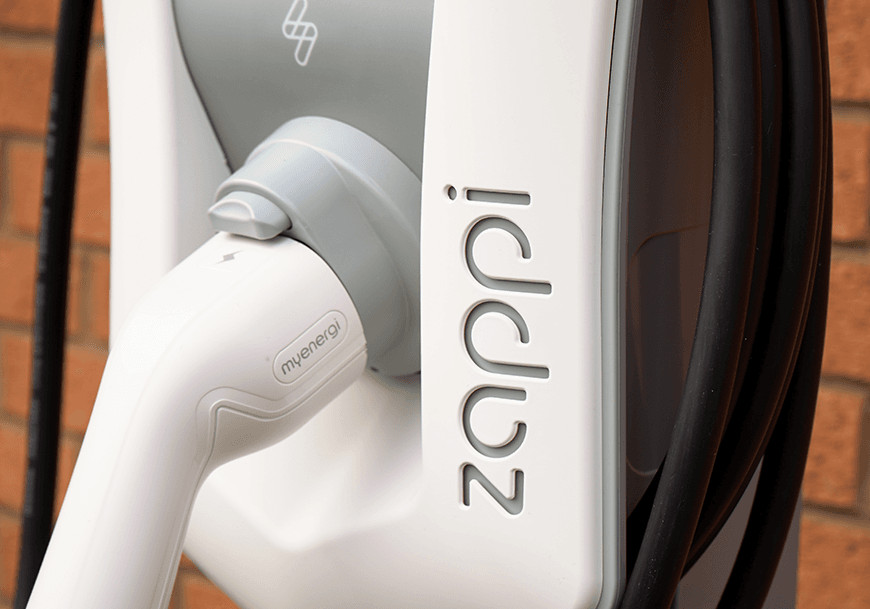
2. Requesting utility and operations data early. Over half of professionals report that tenants now ask specifically about energy‑efficient features and EV charging.
3. Pursuing sustainability education or certification. 37 % of surveyed agents have completed training focused on energy‑efficient appliances, renewable systems, or eco‑friendly materials. The Institute of Real Estate Management’s ESG Skill Badge is a recommended starting point.