M
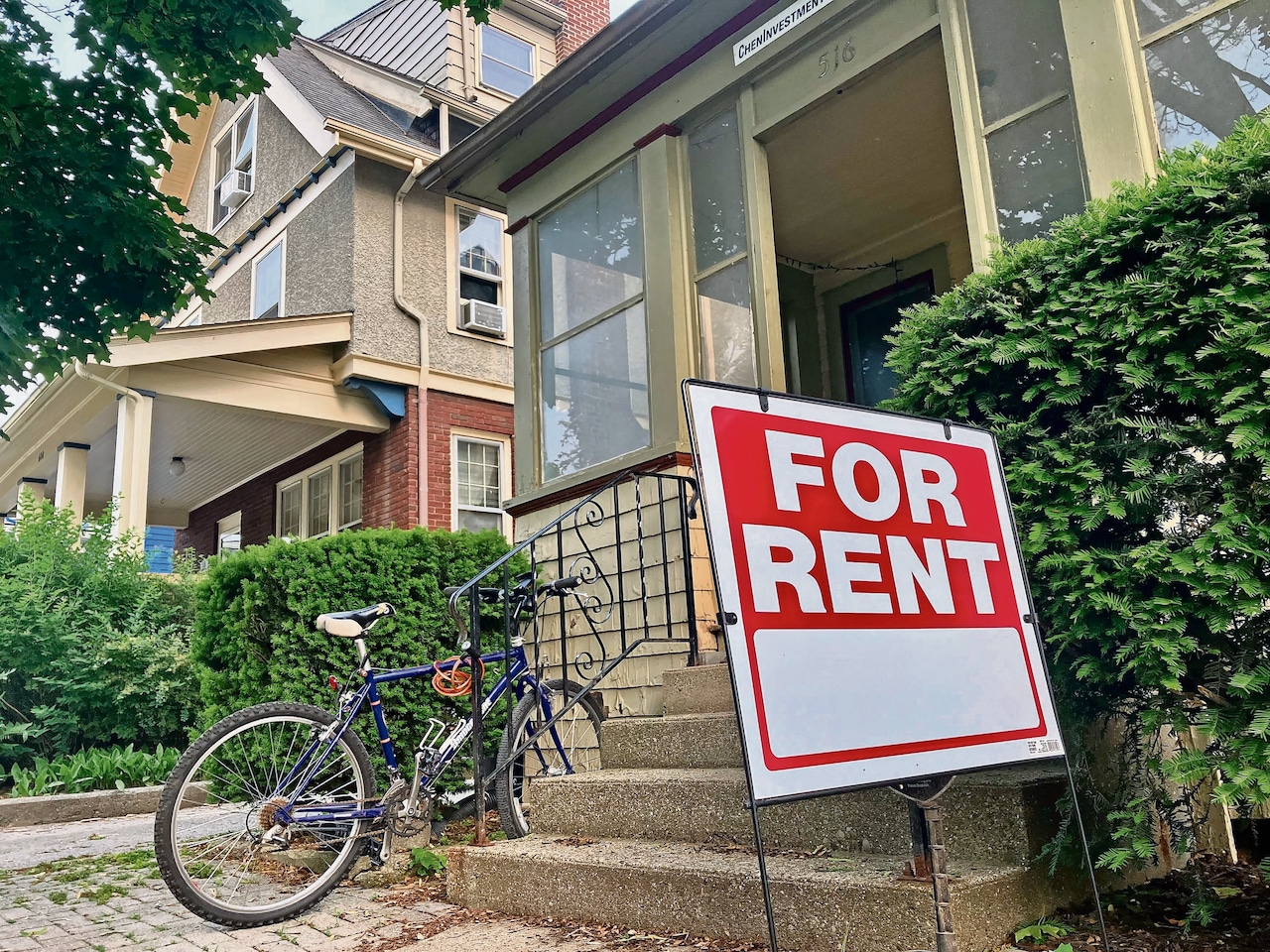
aui is set to shrink its short‑term rental market dramatically. County officials passed Bill 9, a law that will gradually remove more than 6,200 vacation units from west and south Maui, where Airbnb‑style condos dominate. West Maui rentals will cease by January 1, 2029, and south Maui by January 1, 2031.
Mayor Richard Bissen, who introduced the bill after the 2023 wildfires, said the measure is a turning point for residents pushed out of the local housing market. “Mahalo to the council and staff for their work on Bill 9 and for taking courageous steps to improve life for Maui’s most important resource—our people,” he wrote in a press release. Bissen argues that short‑term rentals now account for roughly 21 % of Maui County’s housing stock, the highest share in the state, and that the law will bring thousands of units back into the long‑term market.
Supporters claim the island’s tourism‑driven rental boom has gone too far, especially after the fires destroyed nearly 3,000 buildings and displaced thousands. They see Bill 9 as a necessary reset to free up homes for locals, conserve resources, and correct zoning. Councilwoman Keani Rawlins‑Fernandez framed the law as restoring balance: “Profits are replaceable. Generational communities are not.”
Opponents warn of significant economic costs. Council Vice‑Chair Yuki Lei Sugimura estimated the county could lose about $65 million in real‑property taxes and $50 million in general excise and transient‑accommodation taxes annually. She said the proposed solution would shift those losses onto taxpayers. The Realtors Association of Maui, led by president Lynette Pendergast, also expressed concern that the bill would hurt the economy, limit property‑owner rights, and fail to return enough units to the long‑term market.
Despite the reductions, thousands of units will remain legal, alongside hotels, timeshares, and bed‑and‑breakfasts. Early indications suggest the policy may already be easing affordability: condo prices have reportedly fallen more than 20 % in some areas.
Grassroots activism helped push the bill forward. After the fires, the advocacy group Lahaina Strong camped on Kaanapali Beach, demanding dignified housing for survivors. Organizer Jordan Ruidas told KITV that the protests had been ongoing for almost two years and that the price drops were already making housing more affordable.
In summary, Bill 9 will phase out over 6,200 short‑term rentals in west and south Maui by 2029 and 2031, respectively, in an effort to address a severe housing shortage exacerbated by the 2023 wildfires. Supporters view it as a vital step toward restoring local housing and balancing tourism, while opponents fear significant tax revenue losses and economic harm. The law will leave many vacation rentals, hotels, and timeshares operational, but aims to shift the island’s housing market toward long‑term residency.